
Vandaag of morgen in huis

Kwaliteit gegarandeerd

Welkomstaanbiedingen ontgrendelen: GRATIS bezorging | Tot 80% korting | Gratis 30 dagen JoyPlus-proefperiode
Download de app
Buying a tropical fruit drink seems simple: choose a flavour, select a pack and check out. Yet mango drinks, coconut drinks and other exotic fruit drinks can vary considerably in fruit content, sugar levels and serving size. What’s more, a colourful label does not always tell you how much fruit the drink actually contains.
If you only look at the front of the packaging, you may come up against these common pitfalls:
Start by checking the ingredients list. In the EU, ingredients are generally listed in descending order by weight. Look for terms such as mango purée, guava purée, passion fruit juice or coconut water, and check the percentage stated.
A few examples from the range:
These percentages tell you something about the composition, but they do not determine the flavour on their own. Acidity regulators, flavourings, sweeteners and the production method also play a part. A tropical fruit juice with a higher fruit content may taste fuller, while a lighter fruit drink can be a convenient thirst quencher.
Always compare nutritional values per 100 ml. This prevents you from comparing a 330 ml can with a 1-litre bottle without taking the serving size into account.
A low-calorie fruit drink does not necessarily contain little sugar, and a drink with no added sugar may contain sweeteners. According to the product information, for example, Wicky Mango Fruit Drink contains less than 0.1 grams of sugar and 1 kcal per 100 ml. The product contains sweeteners and added vitamin C.
Iam Superjuice Mango lists 17 kcal per 100 ml and no added sugar. The lychee drink from the same brand lists 15 kcal per 100 ml, while the pink guava version lists 16 kcal per 100 ml. Always check the current packaging when assessing claims like these, as labels and recipes may change.
Looking for a traditionally sweet flavour? Maaza Mango lists 46 kcal and 10.8 grams of sugar per 100 ml. Foco Roasted Coconut Juice lists 7.7 grams of sugar per 100 ml. A coconut drink can therefore have different nutritional values from a sugar-free or low-calorie fruit drink.
Small 200 or 330 ml packs are practical for lunch, when you’re out and about, or for families trying several different flavours. A tray of 12 cans makes more sense if you regularly serve Asian soft drinks or want to stock up. For a household, a 6 x 1-litre pack is convenient, but opened cartons should be kept refrigerated.
Also check the allergen information. According to the product information, Taksi Tropical Fruit contains milk and is based on fruit drink and dairy ingredients. g’woon Zappie Tropical also lists milk ingredients. Other selected drinks, including several Maaza and Iam Superjuice products, do not list any of the 14 main EU allergens. If in doubt, always read the label on the packaging you receive.
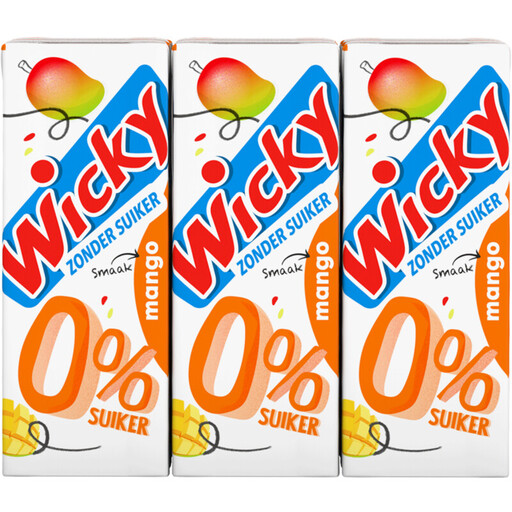
Why it suits this profile: The six small packs are easy to manage for families, lunchboxes and anyone trying mango drinks for the first time. According to the product information, this version contains less than 0.1 grams of sugar and 1 kcal per 100 ml.
The individual portions help to reduce waste after opening. Please note: the drink uses sweeteners and contains just 0.2% mango juice from concentrate.
6 x 200 ml, less than 0.1 g of sugar per 100 ml and added vitamin C, according to the product information.
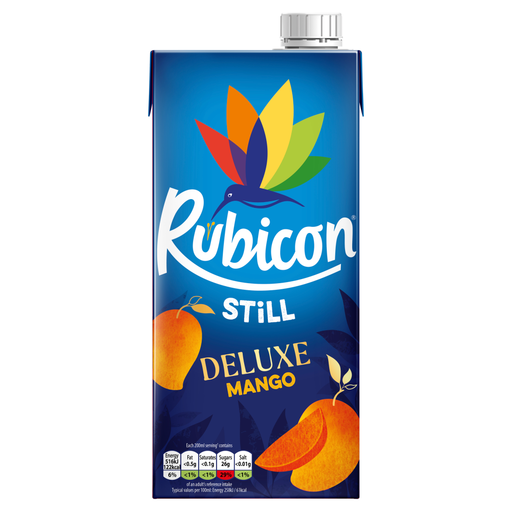
Why it suits this profile: This 1-litre pack is aimed at shoppers looking for a fuller mango profile and a product that provides several servings.
The fruit content is clearly stated in the product information: 19% mango purée. This makes it easier to compare products accurately rather than relying on the packaging alone.
1 litre of product, 19% mango purée and 61 kcal per 100 ml according to the listed nutritional values.

Why it suits this profile: The tray of 12 x 330 ml cans is ideal for households, workplaces and fans of Asian soft drinks who want to enjoy a chilled serving regularly.
The product information gives both the fruit content and nutritional value: 30% mango juice and 17 kcal per 100 ml. Here, “No added sugar” does not automatically mean sugar-free.
30% mango juice, 12 x 330 ml and 17 kcal per 100 ml according to the product description.

Why it suits this profile: Passion fruit lovers get a distinctive sweet-and-sour flavour in a convenient multipack for home, work or mealtimes.
The product information states 30% passion fruit juice and 17 kcal per 100 ml. This makes it easier to assess the expected flavour and nutritional value in advance.
12 x 330 ml, 30% natural passion fruit juice and no added sugar according to the product information.
We’ve compiled a complete, up-to-date list of products that fully meet these strict selection criteria and the applicable European safety regulations.
Fruit juice consists mainly of juice or purée from fruit, whereas fruit drinks often contain additional water, sugar, sweeteners, flavourings or stabilisers. Therefore, check the product type and fruit content on the label.
This varies by brand and flavour. Wicky Mango lists 1 kcal per 100 ml. Iam Superjuice lists 15 to 17 kcal per 100 ml for its lychee, mango and passion fruit versions. Always check the nutritional table for the pack you choose.
Keep an opened bottle, jar or carton refrigerated and seal it properly. Use the product within the time stated on the label. Store unopened drinks according to the instructions on the packaging, usually in a cool, dry place away from direct sunlight.
