
Vandaag of morgen in huis

Kwaliteit gegarandeerd

Welkomstaanbiedingen ontgrendelen: GRATIS bezorging | Tot 80% korting | Gratis 30 dagen JoyPlus-proefperiode
Download de app
Buying a tropical fruit drink sounds simple until you are faced with a shelf or online shop full of mango, coconut, lychee and passion fruit. A bright label tells you little about the fruit content, sugar levels or whether the drink is suitable for your household. Terms such as “natural”, “light” and “no added sugar” can also give an incomplete picture.
With this practical guide, you can focus first on the information that really matters. That way, you can avoid paying too much for a small pack, choosing a drink that does not suit your diet or ordering a multipack only to find that you do not enjoy the flavour.
A fruit drink with no added sugar can still contain natural sugars from fruit. Always check the nutrition table and look at carbohydrate, of which sugars per 100 ml. Also check for sweeteners. In some products, sugar is replaced with steviol glycosides or other sweeteners, for example.
According to their product descriptions, the Iam Superjuice varieties are offered with no added sugar. That does not automatically mean they have no sweet taste or are completely sugar-free. Compare the ingredients and nutritional values per 100 ml before making your choice.
Tropical fruit juice, nectar and exotic fruit drinks can vary considerably in fruit content. A product may contain water, sugar, fruit purée, juice concentrate, acids and flavourings. So look at:
According to the product information, Rubicon Still Mango Deluxe contains 19% mango purée, as well as sugar, fructose and sweeteners. This makes it a mango drink with a pronounced flavour, but it is not the same as a product with a high proportion of pure juice.
A 1 or 1.5-litre bottle is practical with a meal or at a party, but once opened it must be refrigerated and consumed within the period stated on the packaging. A 330 ml canned fruit drink is more convenient for travelling or lunch, but a multipack requires more storage space.
Also consider the closure. A bottle with a cap is suitable for pouring in portions. Cans are practical for one-off use. Products containing fruit pieces, such as coconut water with pieces, may need to be shaken or mixed gently. Always follow the instructions on the label.
First, choose the flavour profile that suits the occasion:
Next, check the fruit percentage. According to the product descriptions, Iam Superjuice Passionfruit, Mango, Lychee and Pink Guava contain 30% juice. Taste is still a personal matter, however: a higher fruit percentage does not automatically mean everyone will enjoy the drink more.
Always compare nutritional values per 100 ml, rather than only per can or bottle. This allows you to make a fair comparison between a 330 ml pack and a one-litre carton. Check:
According to the product information, the Iam Superjuice Passionfruit drink contains 17 kcal per 100 ml and no added sugar. The lychee drink contains 15 kcal per 100 ml. These figures come from the product descriptions; check the current packaging before buying, as recipes and labels may change.
If you follow a vegan diet or avoid milk, you need to look beyond the front of the packaging. According to the ingredients list, TAKSI Tropical Fruit contains milk ingredients and is therefore not suitable for a dairy-free or vegan diet. According to the available product information, the Iam Superjuice products are described as vegan and do not declare any of the 14 major EU allergens.
“No allergens declared” is not the same as a personal guarantee against every allergic reaction. If in doubt, read the full label and the latest allergen information.
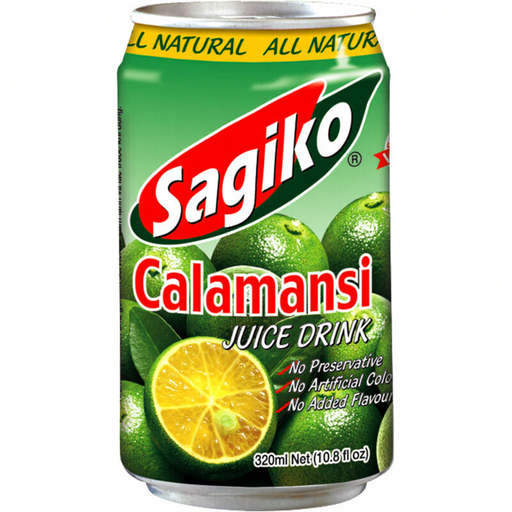
Why it suits this profile: A compact 320 ml portion is an easy way to try an Asian fruit drink without buying a large pack.
The individual serving limits waste after opening. The ingredients and nutrition table make it possible to compare this drink with other fruit drinks.
320 ml; according to the product information, 43.75 kcal and 10.6 g sugars per 100 ml; none of the 14 major EU allergens declared.
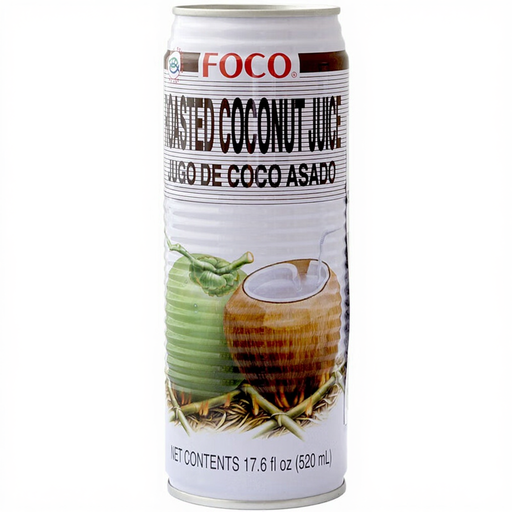
Why it suits this profile: Ideal for anyone looking for a distinctive coconut profile and a larger individual pack, for example with an Asian meal.
The ingredients clearly state 80% roasted coconut juice. This shows that it is a coconut drink made with water, coconut flesh and sugar, rather than pure coconut water.
520 ml; 80% roasted coconut juice according to the product information; contains coconut flesh; free from the 14 major EU allergens according to the available data.

Why it suits this profile: A box of 12 cans is ideal for families, parties, kitchen cupboards and anyone who regularly wants a chilled passion fruit drink.
The fixed volume per can prevents a large bottle from being left open in the fridge for too long. However, check beforehand that 12 cans suit your consumption needs.
12 × 330 ml; according to the product description, 30% passion fruit juice; no added sugar and 17 kcal per 100 ml according to the stated product information.
We have put together a complete, up-to-date list of products that fully meet these strict selection criteria and the applicable European safety regulations.
Check these points before you pay:
For a household with several drinking occasions, boxes of 330 ml cans are often practical. If you mainly drink fruit juice at breakfast or with a meal, a 1-litre or 1.5-litre pack may be a better choice. A fruit drink with no added sugar is particularly appealing if you want to limit added sugars, but always compare the full nutrition table.
Check the ingredients and the dietary information on the packaging. According to the available product information, the Iam Superjuice varieties are described as vegan. According to the ingredients list, TAKSI Tropical Fruit contains milk and is therefore not suitable for a vegan diet.
No. Coconut water is the liquid from inside a coconut, whereas a coconut drink may contain additional water, sugar, coconut flesh, coconut extract or other ingredients. According to the product information, Foco Roasted Coconut Juice contains 80% roasted coconut juice, water, coconut flesh and sugar. Always check the ingredients list.
That depends on the price per litre and how much you drink. A multipack can be practical for regular use, while a large carton often uses less packaging per litre. Calculate the price per litre and consider storage after opening before buying fruit juice online.
