
Vandaag of morgen in huis

Kwaliteit gegarandeerd

Welkomstaanbiedingen ontgrendelen: GRATIS bezorging | Tot 80% korting | Gratis 30 dagen JoyPlus-proefperiode
Download de app
Buying a tropical fruit drink online may seem straightforward. Labels often feature words such as “mango”, “tropical” or “natural”, but that does not automatically tell you how much fruit the drink contains. Two drinks with similar packaging can also differ considerably in sugar content, serving size and ingredients.
Pay particular attention to these three common pitfalls:
Ingredients are listed in order of quantity. If water appears first and fruit is listed further down, the drink consists mainly of water. Also check the stated percentage of fruit juice, purée or fruit concentrate.
A tropical fruit juice or exotic fruit drink may contain one type of fruit or a blend. With a mixed drink, it is useful to see which fruits are actually included. DubbelDrank Pineapple Guava Apple Juice lists pineapple, orange, apple and guava among its ingredients. According to the product information, it is described as a fruit drink with a minimum fruit content of 40%.
With a drink called mango, the proportion of mango may be quite limited. According to the product information, Wicky Mango Fruit Drink contains, for example, 0.2% mango juice from concentrate. That does not necessarily make it unsuitable, but it does make it different from a drink with a higher mango content.
Compare the nutritional information per 100 ml, not just per pack. This allows you to compare pineapple juice, guava juice and mango drink fairly.
Look out for these terms:
The product information for Wicky Mango Fruit Drink states that it contains less than 0.1 grams of sugar per 100 ml and uses sucralose and acesulfame-K. Taksi Tropical Fruit Drink is described as a drink with no added sugar, but it does contain sweetener and milk ingredients. A fruit drink without sugar is therefore not automatically the same as a drink without sweeteners.
Choose the volume based on how you plan to use the drink:
Always check the storage instructions on the packaging after opening. Many fruit drinks need to be refrigerated and consumed within a few days. Store an unopened carton or can according to the label, usually in a cool place away from direct sunlight.
The following choices are linked to practical usage profiles. The stated composition and nutritional values are based on the available product information and may change; always check the current label when buying.
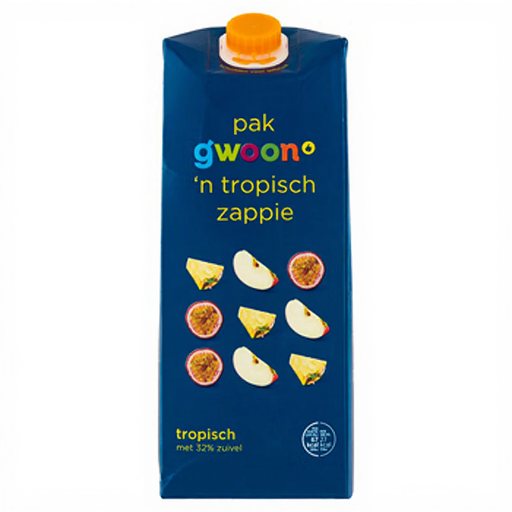
Why it suits this profile: The 1-litre volume is ideal for sharing at home with breakfast, lunch or a casual meal. The flavour combines apple, pineapple and passion fruit.
The ingredients and nutritional values are stated, including 6.3 grams of sugar per 100 ml. This shows that “tropical” is a flavour description, not a guarantee of a high fruit percentage.
1-litre volume; contains vitamin C according to the product description; suitable for serving chilled.
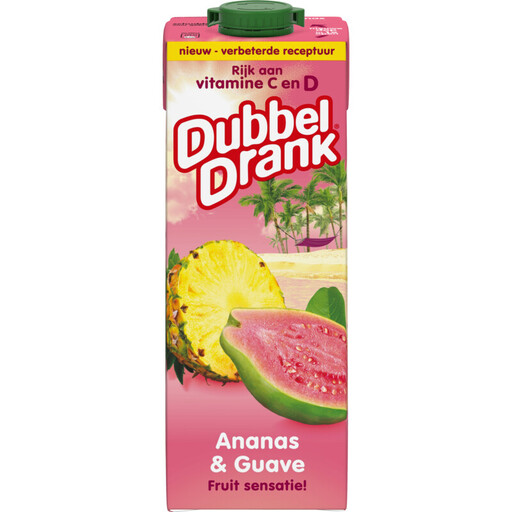
Why it suits this profile: For anyone looking for a more complex fruit flavour than mango or pineapple alone. According to the ingredients list, guava, apple, orange and pineapple create a varied fruit blend.
The stated minimum fruit content of 40% makes this choice easier to assess than simply relying on a tropical product name. According to the description, the drink contains no added preservatives.
1-litre volume; 45 kcal and 10.3 grams of sugar per 100 ml according to the product information; contains added vitamins C and D.

Why it suits this profile: The box of twelve 330 ml cans is ideal for parties, keeping a supply at home or having consistent individual servings. The flavour differs from classic fruit juice thanks to coconut water and pieces of coconut.
The product description states 100% coconut water, 2% real coconut pieces and no added sugar. However, check the current packaging when your order arrives.
Multipack of 12 x 330 ml; coconut pieces; vegan and gluten-free according to the product information.
For a fruity drink with breakfast, a 1-litre carton is often more suitable than individual cans. At a party, you can combine different flavours, such as mango drink, guava juice, pineapple juice and coconut water. If you are looking for an Asian drink, consider coconut drinks, nata de coco or fruit drinks with lychee. The African drinks range includes well-known mango drinks and guava drinks.
If you have children, pay extra attention to the ingredients and any colourings. Fanta Pineapple Soda, for example, lists colourings E102 and E110. According to the product information, the packaging may carry a warning regarding activity and attention in children. Use the label as your guide and compare more than just the flavour or packaging.
We have put together a complete, up-to-date list of products that fully meet these strict selection criteria and the applicable European safety regulations.
Fruit juice essentially consists of juice from fruit, while a fruit drink often contains water, fruit juice or concentrate, sugar, sweeteners and flavourings. Nectar may contain water and sugar as well as fruit. Check the fruit percentage and ingredients on the label.
“Sugar-free” or “no added sugar” mainly describes the composition. It does not automatically tell you anything about the overall nutritional value. Some products contain sweeteners, milk ingredients or natural sugars. Compare the nutritional information per 100 ml and choose a serving size that suits how you plan to use the drink.
As a general rule, keep an opened drink in the fridge and consume it within the period stated on the packaging. Seal the carton, bottle or can properly. If you are unsure about the smell, flavour, packaging or best-before date, it is better not to use the product.
