
Vandaag of morgen in huis

Kwaliteit gegarandeerd

Welkomstaanbiedingen ontgrendelen: GRATIS bezorging | Tot 80% korting | Gratis 30 dagen JoyPlus-proefperiode
Download de app
Buying a tropical fruit drink seems simple: choose mango, guava, lychee or coconut and add the product to your basket. However, drinks vary considerably in fruit content, sugar content, sweeteners, packaging and serving size. A colourful can tells you little about what is inside.
When ordering online in the Netherlands, you are most likely to encounter these three pitfalls:
The points below can help you compare tropical fruit juice, exotic fruit drinks and tropical soft drinks more effectively.
Read the ingredients list and look for terms such as juice from concentrate, purée, coconut water or fruit juice. The percentage gives you a more accurate picture than the name on the front.
A guava drink with 16% guava juice from concentrate has a different composition from a drink containing 30% pink guava juice. You should also assess a carbonated fruit drink, such as a fizzy pineapple drink with a real piece of fruit, differently from a traditional juice.
Also note the difference between:
Always compare nutritional values per 100 ml, not just per can or bottle. This gives you a clearer idea of how different pack sizes compare.
Some figures from the available product information:
“No added sugar” therefore does not mean that the drink contains no sugars. Check the full label, particularly if you are monitoring your sugar intake.
For a first taste, a 230 to 330 ml can is a manageable option. A 1 or 1.5-litre bottle is better suited to a meal or several people. A tray of 12 cans or a box containing several litre bottles makes most sense when you already know you like the flavour.
Storage is also important. According to the product information, unopened drinks should generally be kept cool and out of direct sunlight. Once opened, many products should be refrigerated and used within the stated period. Always check the packaging, including the best-before date and allergen information.
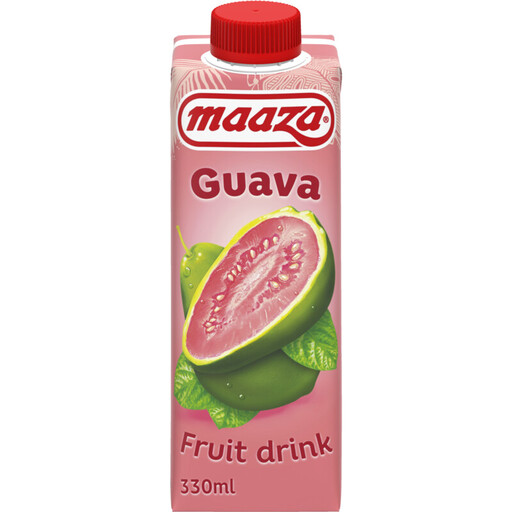
Why it suits this profile: The 330 ml serving allows you to try an exotic fruit drink without immediately ordering a large supply. The product information lists 16% guava juice from concentrate and 29 kcal per 100 ml.
The fruit content and nutritional values are clearly included in the product information. This means you do not have to rely solely on the tropical packaging.
330 ml per bottle, guava juice from concentrate and none of the 14 major EU allergens according to the product information.

Why it suits this profile: This mango drink combines a stated 30% mango juice content with a tray of 12 330 ml cans. It is a good fit for shoppers who pay attention to ingredients and like to keep a regular supply at home.
The “no added sugar” claim is accompanied by specific information about the sweetener and 17 kcal per 100 ml. This makes the claim easier to assess.
30% mango juice according to the product information, 12 x 330 ml and suitable as a home supply or for sharing.

Why it suits this profile: A box of 12 cans is practical for regular use, an Asian meal or a gathering. According to the product information, the drink consists of 100% coconut water and contains 2% pieces of coconut.
The product name does not simply refer to coconut; the description specifies 100% coconut water and 2% coconut pieces. However, always check the current label before buying.
12 cans of 330 ml, no added sugar according to the product information and suitable for vegan consumers based on the listed product features.
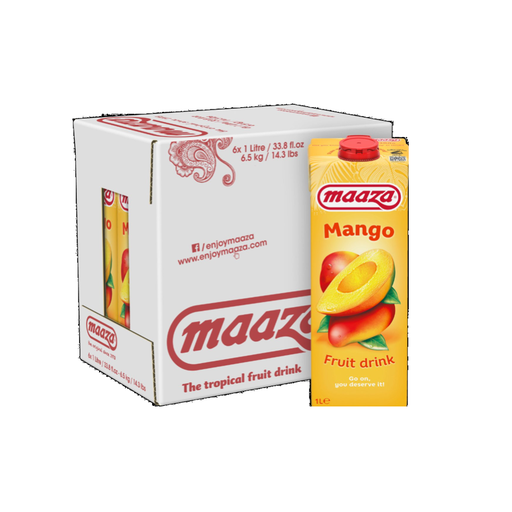
Why it suits this profile: The six 1-litre bottles are ideal for sharing, meals and keeping a supply at home. The product information lists 17% mango purée and 46 kcal per 100 ml.
The bottle size, number of items and mango purée content are all stated. This allows you to assess the total supply and composition in advance.
6 x 1 litre, 17% mango purée according to the product information and a bottle size suitable for serving several glasses.
We have put together a complete, up-to-date list of products that fully meet these strict selection criteria and the applicable European safety regulations.
Tropical fruit juice consists mainly of juice, which may be made from concentrate. A fruit drink may also contain water, sugar, sweeteners, flavourings, acids or stabilisers. Always check the ingredients list and fruit content.
The range includes Iam Superjuice Mango, Lychee, Pink Guava, Passionfruit, Mangosteen and Coconut Water, all labelled as containing no added sugar. According to the product information, some varieties may still contain natural sugars or sweeteners. Compare the nutritional table and ingredients for each product.
Follow the instructions on the label. Many opened bottles and cans should be refrigerated and consumed shortly afterwards. Unopened packaging should generally be stored in a cool, dry place away from direct sunlight. Before drinking, also check the seal and best-before date.
