
Vandaag of morgen in huis

Kwaliteit gegarandeerd

Welkomstaanbiedingen ontgrendelen: GRATIS bezorging | Tot 80% korting | Gratis 30 dagen JoyPlus-proefperiode
Download de app
When buying tropical fruit drinks, it’s easy to be drawn in by a colourful pack or an exotic flavour name. But a picture of mango, coconut or lychee doesn’t tell you much about what’s actually inside. A fruit drink may contain only a small amount of juice, while a product labelled “no added sugar” can still contain natural sugars.
These practical checks will help you compare tropical fruit juice, coconut water and Asian drinks clearly. That way, you won’t end up paying too much for a small pack or buying a drink that doesn’t suit how you’ll use it.
Check the percentage of juice, purée or coconut water in the ingredients list. A guava drink might contain 17% guava juice from concentrate, while another variant lists 18% guava purée. The difference isn’t huge, but the flavour and texture can vary.
With mango, guava and lychee drinks, the rest is often topped up with water, sugar, flavourings, acidity regulators or stabilisers. So don’t just look at the front of the pack.
A fruit drink with no added sugar can still contain naturally occurring sugars from fruit. So compare the nutritional values per 100 ml. For example, Iam Superjuice Lychee states 15 kcal per 100 ml and no added sugar. The Iam Superjuice Mango variant states 17 kcal per 100 ml and, according to the product information, is sweetened with steviol glycosides.
Always check the current label. Recipes and nutritional values can change.
A box of 12 cans or 12 litre cartons might seem convenient, but it takes up more storage space. For a household, a multipack of 330 ml cans can be practical for individual servings. For an office, hospitality business or caterer, boxes of 1-litre packs often make more sense.
Pay attention to the total volume, the shelf life and the storage instructions after opening. Once opened, a bottle usually needs to be kept chilled and used within the stated time.
Start with the ingredients list. Ingredients are listed in descending order by quantity. For Maaza Guava Drink 1 litre, the product information states the drink contains water, 18% guava purée, lemon juice from concentrate, acidity regulator, antioxidant, flavouring and colour.
For Iam Superjuice Soursop, 30% soursop drink is listed as a product feature, alongside claims such as “no sugar added” and 18 kcal per 100 ml. Present such information as a product claim from the brand: according to the Iam Superjuice product description, this drink contains no added sugar. Check the packaging before purchase.
For coconut water, the difference between a high proportion of coconut water and a sweetened coconut drink matters. Vietcoco states 99% coconut water, less than 1% fructose and vitamin C. DOUBLE PANDA lists coconut water and cane sugar in its ingredients. Both products have a different composition, even though they fall under the same broad category.
Always compare nutritional values per 100 ml. That stops a small can from looking more favourable than a large bottle. A Maaza Guava Drink states 11 grams of sugar per 100 ml. With a 1-litre bottle, that adds up to a significant total if you drink the whole bottle.
A product with “no added sugar” can still contain carbohydrates or natural sugars. Also look at sweeteners, such as steviol glycosides, if you’re after a specific flavour or composition.
Nata de coco consists of soft, chewy pieces that give the drink a snack-like quality. That’s different from smooth tropical fruit juice. Mogu Mogu and KATO combine fruit flavour with nata de coco. For coconut products, also check the allergen information: coconut is explicitly listed as an allergen in some drinks.
Finally, choose the packaging that suits how you’ll use it:
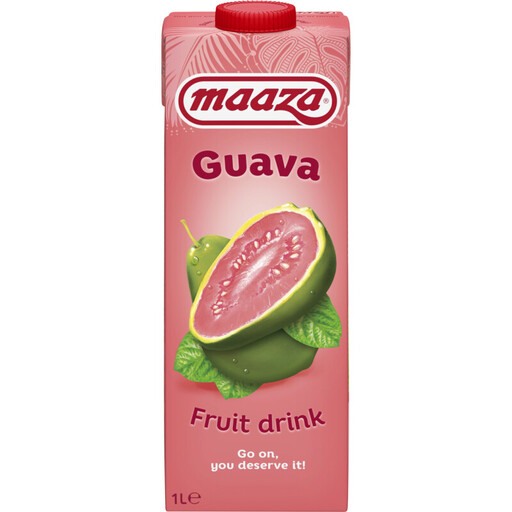
Why this fits the profile: The 1-litre bottle is ideal for sharing at home or trying a familiar guava flavour without committing to a multipack.
The product information states 18% guava purée and 11.2 grams of sugar per 100 ml. This means you can assess the composition upfront, rather than relying solely on the fruit image.
1-litre pack; guava purée listed as a clear fruit ingredient; none of the 14 major EU allergens listed.
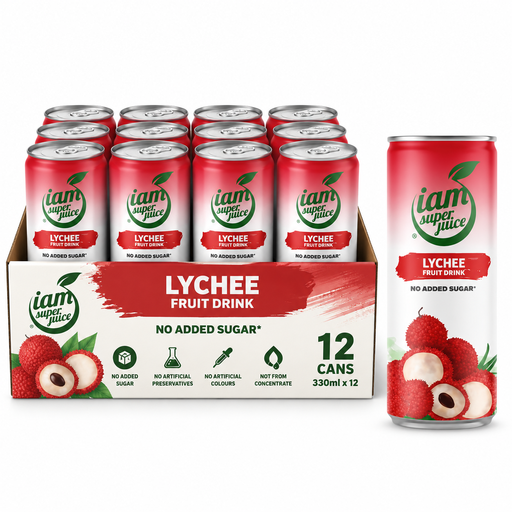
Why this fits the profile: Ideal if you’re after a pronounced lychee flavour, individual portions and a drink with no added sugar.
The product description states 30% natural lychee juice, no added sugar and 15 kcal per 100 ml. Check these details on the actual label when you receive it.
12 cans of 330 ml; vegan according to the product information; suitable for serving chilled in individual portions.
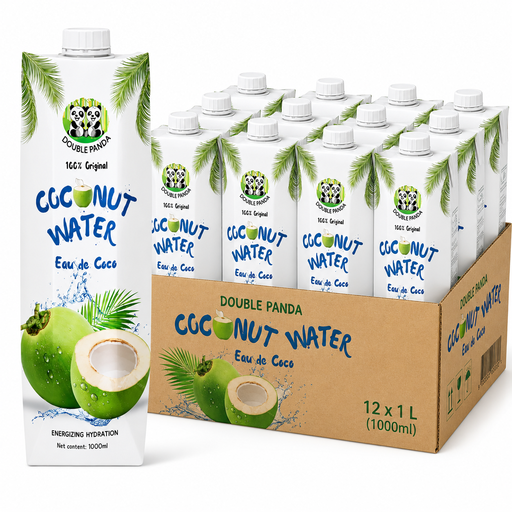
Why this fits the profile: A practical choice for offices, hospitality venues, caterers and households that use a lot of coconut drink for serving, smoothies or recipes.
The contents are clear: 12 packs of 1 litre. The ingredients list states coconut water and cane sugar, so you won’t confuse it with coconut water that has no added sugar.
12 litres total volume; 23 kcal and 4.5 grams of sugar per 100 ml according to the product information; suitable as a drink and as a recipe ingredient.
We’ve put together a full, up-to-date list of products that fully meet these strict selection criteria and comply with current European safety regulations.
Coconut water is the liquid from inside a coconut. A coconut drink may also contain sugar, coconut extract, flesh, flavourings or carbonation. So always check the ingredient percentage. Vietcoco, for example, states 99% coconut water, while other products combine coconut water with cane sugar.
No. “No added sugar” means that, according to the product information, no sugar has been added to the recipe. Fruit naturally contains sugars. So look at the nutritional value per 100 ml and check whether sweeteners have been used.
Follow the instructions on the packaging. Many fruit drinks need to be kept chilled after opening and consumed within the stated time. Unopened cartons, cans and bottles should generally be stored in a cool, dry place away from direct sunlight. Always check the seal, best-before date and current label information before consuming.
