
Vandaag of morgen in huis

Kwaliteit gegarandeerd

Welkomstaanbiedingen ontgrendelen: GRATIS bezorging | Tot 80% korting | Gratis 30 dagen JoyPlus-proefperiode
Download de app
If you’re looking to buy fruit juice and fruit drinks online, you’ll quickly come across terms such as “tropical”, “zero”, “multivitamin” and “no added sugar”. These words don’t always tell the whole story. Fruit juice, fruit drinks, squash and aloe vera drinks can vary considerably in their fruit juice content, sugar levels, serving sizes and how long they keep once opened.
Use this practical buying guide to compare products based on verifiable information and avoid buying something that doesn’t suit your household, tastes or daily routine.
A fruit drink with no added sugar can still contain sugars that occur naturally in fruit. So don’t just look at the front of the pack: check the nutritional information per 100 ml too. Sugar in a sugar-free fruit drink may have been replaced with sweeteners. This often reduces the amount of sugar and calories, but it also changes the taste and ingredients list.
One example is Capri-Sun Multivitamin Zero Sugar. According to the product information, this drink contains 0 g of sugar and 3 kcal per 100 ml, but it does contain sweeteners such as sucralose, cyclamate and saccharin.
A passion fruit drink or soursop drink can have a strong fruity flavour even if it contains relatively little fruit juice. So check the fruit juice content. For example, Iam Superjuice Passionfruit Drink lists 30% natural passion fruit juice. According to the product information, DubbelDrank Mango Guanabana contains at least 40% fruit, but the ingredients list also shows that apple and orange make up a significant proportion.
A 1-litre bottle may seem practical for home, while cans or pouches are handier for school, work and when you’re out and about. Work out the price per litre and the amount per serving. Also check the storage instructions: opened bottles usually need to be refrigerated and used within the stated period.
Look out for the difference between:
A higher fruit content doesn’t necessarily mean the flavour will suit everyone. Tart passion fruit, mild soursop and sweet mango appeal to different tastes.
Use the nutritional information per 100 ml as a consistent basis for comparison. Otherwise, a small pack may seem like better value simply because the serving size is small.
Some information from the range:
A low-calorie drink isn’t necessarily free from sweeteners, and a drink with fruit in its name isn’t automatically low in sugar.
For lunchboxes and school, 200 ml portions are practical. For home, 1-litre bottles or multipacks may work out better value. 330 ml cans are easy to take chilled with you, but take up more space than a large bottle.
Also check:
Only assess the vitamin content based on the information on the label. A multivitamin drink is no substitute for a varied diet.
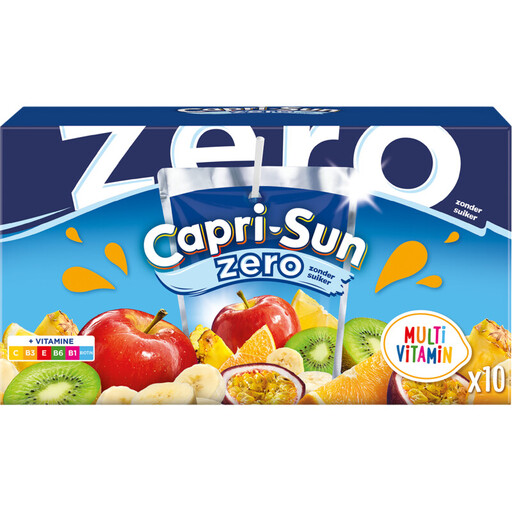
Why it suits this profile: The 200 ml portions are easy to manage for school, days out or a household keen to try different flavours.
The product information states that it contains 0 g of sugar and 3 kcal per 100 ml. Check which sweeteners are used if you prefer to limit them.
10 x 200 ml, no sugar according to the label, with 7% fruit and added vitamins.

Why it suits this profile: For fans of a bold tropical flavour who want to stock up for home, work or visitors.
The fruit juice content is stated: 30% natural passion fruit juice. “No added sugar” isn’t presented as “sugar-free”.
330 ml per can, 12 cans per tray, 17 kcal per 100 ml according to the product description, and best served chilled.
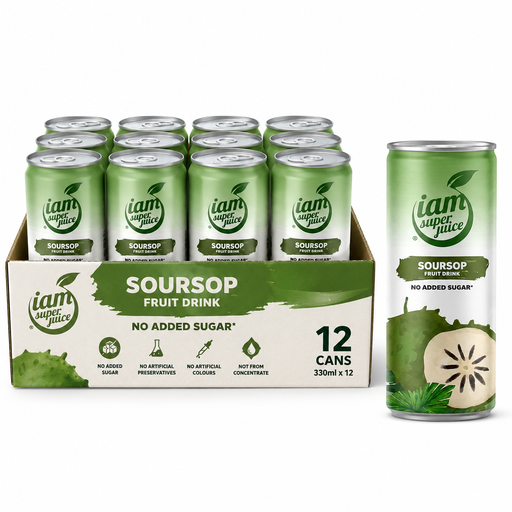
Why it suits this profile: A 12-can pack is a good fit for regular use and for shoppers looking for a less familiar soursop flavour.
The product information states that it contains 18 kcal per 100 ml, has no added sugar and contains no fruit juice from concentrate. Check the packaging when your order arrives.
330 ml per can, 12 cans per pack, soursop flavour and added vitamin C according to the product information.
We’ve put together a full, up-to-date list of products that meet these strict selection criteria and current European safety regulations.
Start by comparing the sugar content per 100 ml. Capri-Sun Multivitamin Zero Sugar and Raak Multi-Fruit Lemonade state that they contain no sugar, but they do contain sweeteners. Iam Superjuice Passionfruit Drink states that it has no added sugar, but it does contain fruit juice. The right choice depends on whether you’re mainly looking to cut down on sugar, calories or sweeteners.
Always follow the instructions on the packaging. Many bottles need to be refrigerated after opening and drunk within a few days. Individual cans and pouches are handy if you want to reduce waste. Before drinking, check the smell, colour and condition of the packaging; if in doubt, don’t use the product.
That depends on the price per litre, delivery costs and packaging. Multipacks of 330 ml cans or 200 ml portions can be good value if you use them regularly, while a 1-litre bottle may use less packaging per litre. A fruit drink offer is only worthwhile if the quantity, shelf life and delivery costs suit your needs.
