
Vandaag of morgen in huis

Kwaliteit gegarandeerd

Welkomstaanbiedingen ontgrendelen: GRATIS bezorging | Tot 80% korting | Gratis 30 dagen JoyPlus-proefperiode
Download de app
Tropical fruit drinks come in many forms: from coconut water and lychee drink to mango drink, passion fruit drink and Mexican soda. Yet a colourful label doesn't always tell you everything about what's inside the packaging. A fruit drink, for example, may contain only a small percentage of fruit juice, while a product with no added sugar may still contain natural sugars or sweeteners.
If you're buying for home, a family, the office or hospitality, it's worth looking beyond just flavour and price. The following checklist will help you compare an exotic fruit drink in a practical way.
The terms fruit juice, fruit drink and fruit beverage are often used interchangeably in shops and online stores, but they don't always describe the same composition. So always check the percentage of fruit or fruit juice in the ingredients list.
A product may contain water, flavourings, sugar or sweeteners alongside a limited amount of fruit. That's not necessarily a problem, but it does determine whether you're looking for a concentrated fruit flavour or a lighter, fizzier drink.
A fruit drink with no added sugar may still contain natural sugars from fruit. Some products also use sweeteners. So look at:
According to the product information from Iam Superjuice, the lychee, mango, passion fruit and guava drinks contain no added sugar. The exact nutritional values vary by flavour, so compare the label for each product.
A multipack drink can be convenient, but always calculate the total volume against the price per litre or per can. A tray of 12 cans of 330 ml is ideal for portions on the go, while a box of 12 cartons of 1 litre may be more practical for an office, restaurant or catering business.
Also consider the shelf life, storage space and whether an opened pack needs to be refrigerated.
Start with the ingredients list, not the front of the pack. That's where you'll see whether a product is made from fruit juice from concentrate, direct juice, coconut water, water with flavourings, or a combination.
Examples from the range:
These products therefore suit different preferences: from a fruity drink with no added sugar to a sweeter tropical soda.
Always compare nutritional values per 100 ml. That makes a fair comparison possible between a can, a pouch and a litre carton. Don't just look at calories; also check the ingredients that provide the sweet taste.
According to the product descriptions, the Iam Superjuice variants are sweetened without added sugar. The mango drink contains steviol glycosides according to the information provided. Jarritos Passion Fruit states 25 grams of sugar per 100 ml. Capri-Sun products come in smaller 200 ml portions, but it's still worth checking the total amount per pouch.
Choose the packaging based on how you'll use it:
Always follow the instructions on the label after opening. Many fruit juices and fruit drinks need to be kept refrigerated once opened and consumed within the stated time.
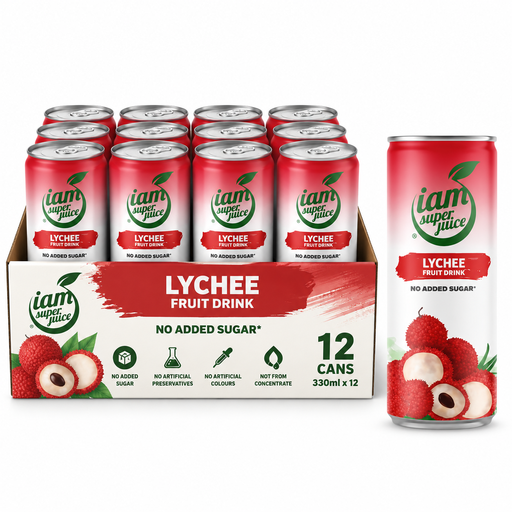
Why this fits the profile: A tray of 12 cans of 330 ml offers a manageable way to try an exotic fruit drink while keeping a stock at home.
The product information states 30% lychee juice and no added sugar. Do check the actual packaging and nutritional table before purchase.
30% natural lychee juice, 330 ml per can and, according to the product description, 15 kcal per 100 ml.
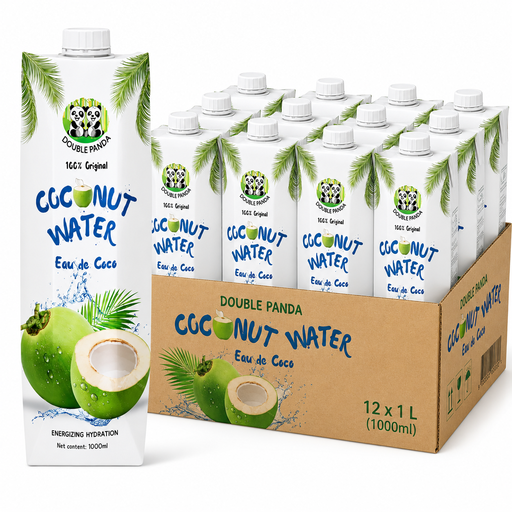
Why this fits the profile: The large pack is ideal for anyone who wants to serve coconut water, use it in smoothies or in a professional setting.
The ingredients list coconut water and cane sugar. This makes it clear straight away that this is not the same as unsweetened coconut water.
12 cartons of 1 litre, product of Vietnam and, according to the product information, 23 kcal per 100 ml.
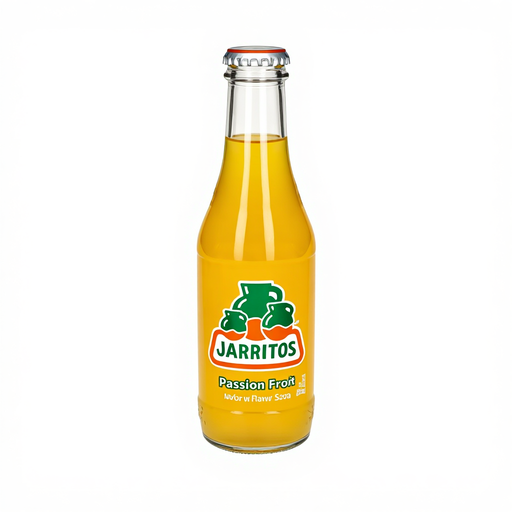
Why this fits the profile: This Mexican soda is perfect for meals, drinks parties and occasions when a carbonated passion fruit drink is called for.
The product information clearly states it is a carbonated drink and contains 25 grams of sugar per 100 ml. This makes the difference from fruit juice obvious.
370 ml glass bottle, tropical passion fruit flavour and suitable for serving chilled or as a mixer.
We've put together a full, up-to-date list of products that fully meet these strict selection criteria and comply with current European safety regulations.
Fruit juice typically consists of juice from fruit, possibly from concentrate. A tropical fruit drink may also contain water, sugar, sweeteners, flavourings or other ingredients. Check the fruit percentage and the full ingredients list to see the difference.
Follow the instructions on the packaging. Many products need to be refrigerated after opening and consumed within the stated time. Unopened cartons and cans should generally be stored in a cool, dry place away from direct sunlight.
No. Fruit naturally contains sugar. What's more, a product may contain sweeteners. So look at both the ingredients list and the nutritional values per 100 ml. This way you can compare a coconut water, lychee drink, mango drink or passion fruit drink on the same basis.
