
Vandaag of morgen in huis

Kwaliteit gegarandeerd

Welkomstaanbiedingen ontgrendelen: GRATIS bezorging | Tot 80% korting | Gratis 30 dagen JoyPlus-proefperiode
Download de app
A tropical fruit drink may seem simple to choose: mango, passion fruit or pineapple, serve chilled and you’re done. However, these drinks can vary considerably in their ingredients, sugar content, format and ease of use. Eye-catching packaging tells you little about the amount of fruit juice or whether the drink is suitable for everyday consumption.
When buying a tropical fruit drink or exotic soft drink online, shoppers mainly need to watch out for these pitfalls:
Don’t just look at the name passion fruit drink, mango fruit drink or pineapple drink. Check how much juice or juice from concentrate has actually been added. For example, Taksi Tropical Fruit Drink lists 6% fruit juice from concentrate, with apple, pineapple and passion fruit. The fruit combination determines the flavour, but the product is not pure fruit juice.
With a guava product, the difference can be greater. Iam Superjuice Pink Guava lists 30% pink guava juice. This is a measurable difference in composition compared with many soft drinks made mainly with water, sweeteners or flavourings.
Also check the ingredients list for:
Compare the nutritional values per 100 ml, not per bottle or can. Taksi Tropical Fruit without added sugar, for example, contains 11 kcal and 2.4 grams of sugars per 100 ml, according to the product information. The drink is described as being sweetened with sucralose and contains naturally occurring sugars.
Taksi Tropical Fruit Juice in a 1.5-litre bottle lists 34 kcal and 7.9 grams of sugars per 100 ml and, according to the product information, contains no sweeteners. This may be relevant for shoppers looking for a fruit drink without artificial sweeteners, but not necessarily for those who want to consume as little sugar as possible.
According to the product details, Wicky Mango Fruit Drink contains less than 0.1 grams of sugar and 1 kcal per 100 ml, but it does use sweeteners. “Sugar-free” and “no added sugar” are therefore not synonyms for the same composition.
For use at home, a barbecue or a gathering, a large bottle is practical. A soft drink multipack with cans or small bottles is easier to distribute and keep chilled. Pay attention to the total volume: a tray with 12 330 ml cans contains almost 4 litres, while a 1.5-litre bottle requires less storage space per pack.
For when you’re out and about, portions of 200 to 375 ml are often easier to manage. For international products, also check the language on the label, the best-before date and the storage instructions. For drinks containing milk ingredients, such as Taksi and some Zappie products, refrigeration after opening is especially important.
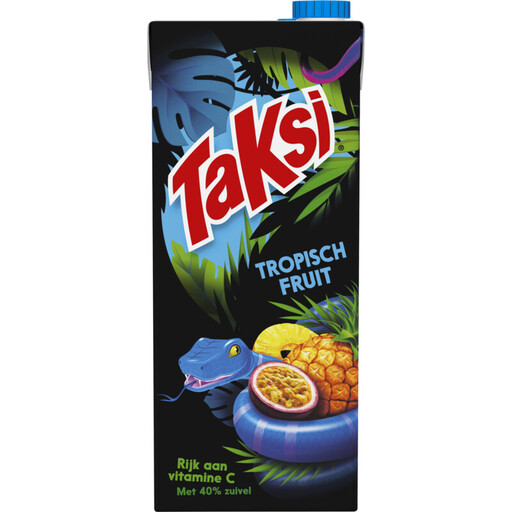
Why it suits this profile: The 1.5-litre bottle is ideal for sharing at home or serving with a meal. The flavour combines apple, pineapple and passion fruit.
The product information clearly states 6% fruit juice and 7.9 grams of sugars per 100 ml. This shows you what you’re buying instead of relying solely on the tropical name.
1.5-litre capacity; contains no sweeteners according to the product details; with milk ingredients and added vitamins C and D.
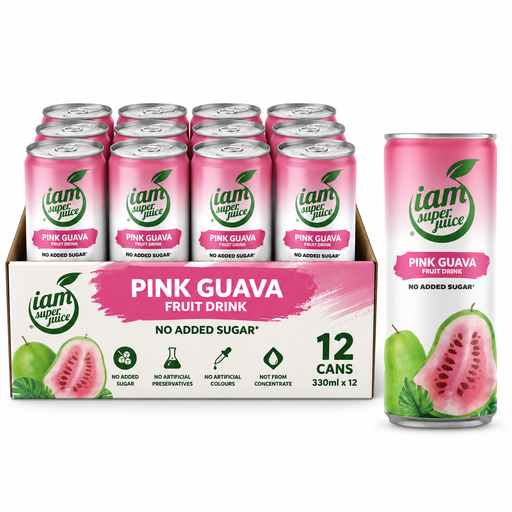
Why it suits this profile: Ideal if you’re looking for a distinctive guava drink and a reliable supply. The tray contains 12 330 ml cans and lists 30% pink guava juice.
The “no added sugar” claim is supported by specific figures: 16 kcal per 100 ml and 30% pink guava juice. Check the current packaging for the complete ingredients list.
30% pink guava juice; 12 330 ml portions; according to the product information, with no added sugar.
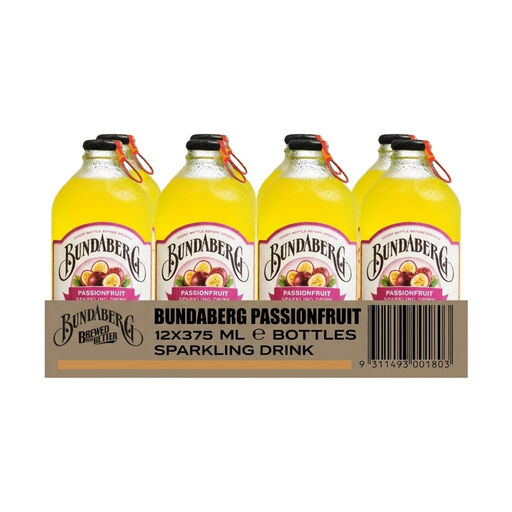
Why it suits this profile: A multipack with 12 375 ml bottles for parties, guests or keeping a supply of chilled passion fruit drink.
The volume per bottle and number of bottles are clearly stated. The product information also lists 3.5% passion fruit juice from concentrate.
12 375 ml bottles; carbonated; 47 kcal and 12 grams of sugars per 100 ml according to the product details.
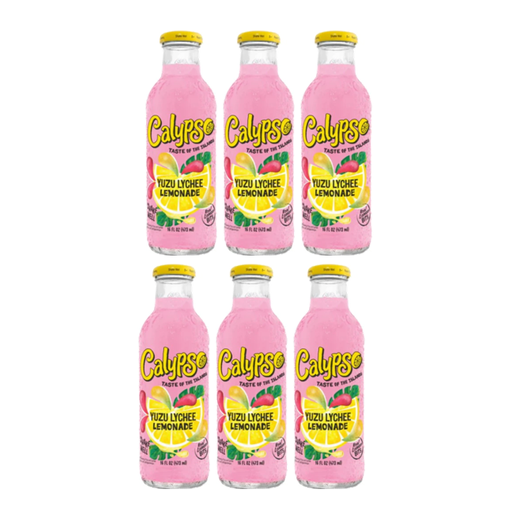
Why it suits this profile: The combination of yuzu, lychee and lemon is a refreshing alternative to standard mango or pineapple drinks. The pack contains six 473 ml bottles.
The flavour profile is clearly described, while the nutritional information lists 46 kcal and 11 grams of sugars per 100 ml. This allows you to compare flavour and composition side by side.
Six 473 ml bottles; yuzu and lychee flavour; contains lemon juice concentrate and lemon pulp according to the product information.
We’ve put together a complete, up-to-date list of products that fully meet these strict selection criteria and the applicable European safety regulations.
Fruit juice consists entirely or almost entirely of juice, depending on the relevant legal product category. A fruit drink may contain water, juice from concentrate, sugar, sweeteners, flavourings or other ingredients. Always check the product name, fruit content and ingredients list.
Always follow the label instructions. Many drinks must be refrigerated after opening, usually at a maximum of 7 °C, and consumed within a few days. Close the bottle securely and check the packaging, best-before date and any instructions about shaking before drinking.
No. Fruit naturally contains sugars. A product with no added sugar may therefore still contain sugar from fruit juice. Wicky Mango lists less than 0.1 grams of sugars per 100 ml and uses sweeteners, while Taksi Tropical Fruit without added sugar lists 2.4 grams of sugars per 100 ml. Always compare both details: sugars per 100 ml and sweeteners used.
