
Vandaag of morgen in huis

Kwaliteit gegarandeerd

Welkomstaanbiedingen ontgrendelen: GRATIS bezorging | Tot 80% korting | Gratis 30 dagen JoyPlus-proefperiode
Download de app
Would you like to buy tropical fruit drinks, but can no longer see the difference between mango, passion fruit, guava and coconut? Many drinks look similar online. However, they can vary considerably in fruit content, sugar levels, serving size and shelf life.
Three common pitfalls are:
The fruit content of an exotic fruit drink can vary considerably. A mango drink with a low percentage of mango may consist mainly of water, apple concentrate, sugar, flavourings or sweeteners. That is not necessarily a problem, but it does determine what you are buying.
For a pronounced fruit flavour, look for products that clearly state the percentage of fruit juice or purée. For example, Iam Superjuice drinks state 30% natural passion fruit juice or 30% mango juice, depending on the variant. Maaza Guava states 16% guava juice from concentrate. These percentages come from the available product information; always check the label when your order arrives, as recipes may change.
Also note the difference between:
Always compare nutritional values per 100 ml, rather than just per pack. A bottle or can may contain several servings.
Examples from the product information:
A product labelled fruit drink with no added sugar may use sweeteners. For example, Iam Superjuice Mango states that it contains steviol glycosides and provides 17 kcal per 100 ml. This is useful information for anyone looking to avoid sugar, but the taste may differ from that of a traditionally sweetened mango drink.
For a household, 1- or 1.5-litre cartons are practical at breakfast, with a meal or when entertaining. Small cans and pouches are easier to take with you and reduce the amount left over after opening.
Keep these points in mind:
Also check the allergens. According to the product information, Taksi Tropical Fruit contains milk ingredients. The other products mentioned do not list any of the 14 main EU allergens, but the packaging remains the definitive source.
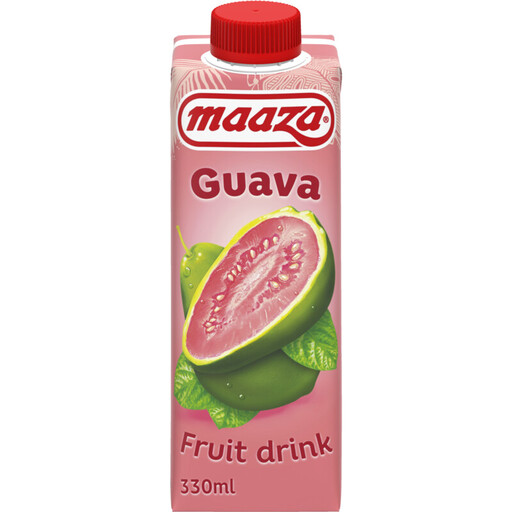
Why it suits this profile: An accessible choice for anyone who wants to try guava without immediately buying a large pack. The 330ml bottle is ideal for enjoying chilled.
The product clearly states 16% guava juice from concentrate and a nutritional value of 6.9 grams of sugar per 100 ml. This helps you assess the flavour and ingredients more accurately.
Guava purée as the flavour base, 330 ml volume and, according to the product information, none of the 14 main EU allergens.

Why it suits this profile: Ideal for fans of a distinctive passion fruit flavour who want to stock up for home, work or mealtimes.
The packaging states that it contains 12 cans of 330 ml, 30% natural passion fruit juice, no added sugar and 17 kcal per 100 ml. However, check which sweeteners are listed on the current label.
30% passion fruit juice, 12 individual cans and no added sugar according to the product description.
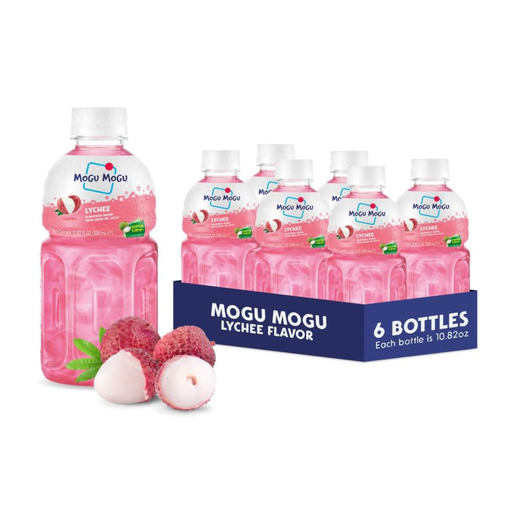
Why it suits this profile: For anyone looking not only for a fruit flavour, but also a distinctive texture from nata de coco. The six bottles are convenient for sharing or storing chilled.
The ingredients list and nutritional values make it clear that this is not a sugar-free drink. Around 11–13 grams of sugar per 100 ml are stated, helping to avoid any misconceptions when buying.
Lychee flavour, nata de coco, six 320 ml bottles and clear storage advice: store unopened in a cool, dry place and refrigerate after opening.
We have put together a complete, up-to-date list of products that fully meet these strict selection criteria and the applicable European safety regulations.
For children or days out, a Capri-Sun multipack can be a practical choice. The Orange 10-Pack contains 200 ml pouches and states 4.4 grams of sugar per 100 ml. Elf Drink contains 8.2 grams of sugar per 100 ml. So do not look only at the pack size; check the nutritional value per serving as well.
If you want to buy Jarritos, you are choosing a carbonated Mexican soft drink. According to the product information, Jarritos Mango contains sugar, natural mango flavouring, citric acid, preservative and colouring. Jarritos Passion Fruit states 25 grams of sugar per 100 ml. These drinks are better suited to a meal or celebratory occasion than to anyone looking for a drink with no added sugar.
For a larger bottle, you could consider:
Pay extra attention to the name when choosing coconut water. According to the product information, Coco Rico Coconut Water With Pulp contains carbonated water, sugar and/or glucose-fructose syrup, coconut extract and preservative. It is therefore not the same as pure coconut water without added ingredients.
Compare the nutritional value per 100 ml. In the range mentioned above, Iam Superjuice Mango and Passionfruit provide 17 kcal per 100 ml and contain no added sugar. However, check the sweeteners used and the current label.
Always follow the storage advice on the packaging. Many drinks need to be refrigerated after opening and used within a few days. Some products specify a shorter period, such as 48 hours. The shelf life of unopened products varies; the date on the packaging is the definitive guide.
Not always. Multiply the number of packs by the volume, then compare the price per litre. A multipack may still offer better value if you regularly serve the same drink or want to keep a supply at home.
