
Vandaag of morgen in huis

Kwaliteit gegarandeerd

Welkomstaanbiedingen ontgrendelen: GRATIS bezorging | Tot 80% korting | Gratis 30 dagen JoyPlus-proefperiode
Download de app
Want to buy tropical fruit drinks, but can no longer see the difference between guava drink, mango drink, pineapple drinks and Asian soft drinks? The packaging often features a striking piece of fruit, even though the actual fruit juice content may be limited. “No added sugar” does not automatically mean that a drink contains no sweeteners or natural sugars either.
A few simple checks can help you avoid a disappointing purchase. Pay particular attention to the ingredients list, nutritional information, packaging and allergens. Below, you’ll find practical selection advice and three popular choices for different situations.
A mango, guava or pineapple on the front is no guarantee of a high fruit percentage. So check the ingredients. For example, MAAZA Guava Drink 6x1000ml lists 17% guava juice from concentrate. The rest consists of water, sugar, pectin and flavouring, among other ingredients.
For a product such as Iam Superjuice Mango Drink, the product description states 30% mango juice. This gives you a more useful point of comparison than simply relying on the name “mango drink”.
A fruit drink with no added sugar may still contain sugars from fruit. Manufacturers may also use sweeteners. According to the product information, for example, the Taksi varieties with no added sugar contain sucralose. Iam Superjuice Mango lists steviol glycosides as a sweetener.
So check these three details on the label:
A 1-litre fruit drink or multipack may seem attractive for families, but pay attention to how long it can be kept after opening. Many drinks need to be refrigerated after opening and consumed within the period stated on the packaging. Small cans or pouch packs are more practical when you’re out and about, but they often use more packaging per litre.
If you want a distinctive flavour, compare the stated fruit content. A tropical fruit juice may contain just one type of fruit, while an exotic fruit drink often uses a blend of ingredients such as apple, pineapple, passion fruit and mango.
Also check the order of the ingredients. The ingredients listed first are generally present in the largest quantities. Water is the first ingredient in many fruit drinks. That is normal for a drink, but it helps you put marketing claims into perspective.
The nutritional information is always given per 100 ml. This allows you to compare products fairly, even when one pack contains 230 ml and another 1.5 litres.
For reference:
Always check the current label. Product formulations may change.
Some tropical drinks are more than just fruit drinks. According to the product information, Taksi and g’woon Zappie contain milk ingredients. This is important if you avoid milk or are buying a drink for several people.
A drink with a name such as “juice” may also contain flavourings, stabilisers, colourings or sweeteners. That does not necessarily make the product unsuitable, but it may differ from what you expect based on the front of the pack.
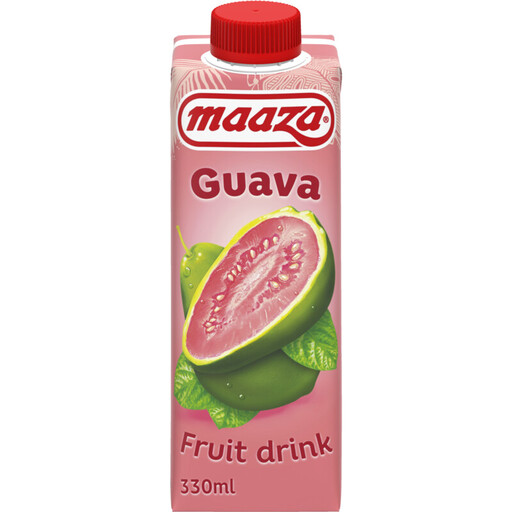
Why it suits this profile: A small, ready-to-drink pack for trying guava drink without immediately buying a large supply.
The product information clearly lists the ingredients and guava percentage. This allows you to compare the fruit flavour without relying solely on the image.
330 ml, ready to drink and, according to the product information, with no declared allergens.

Why it suits this profile: The tray of 12 cans is ideal if you want a regular supply of mango drink and prefer to serve it by the portion.
The description states that it contains 30% mango and no added sugar. However, the product contains steviol glycosides, so check whether this sweeter taste matches your preference.
12 × 330 ml, 30% mango according to the product information and 17 kcal per 100 ml.
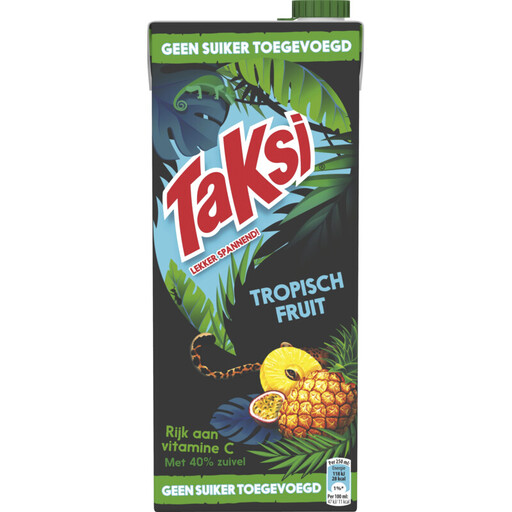
Why it suits this profile: A large pack for families, entertaining or regular use at breakfast and with meals.
The nutritional information and ingredients are listed: 6% fruit juice from concentrate, 34 kcal and 7.9 g of sugars per 100 ml. The product contains milk and sugar, but according to the description, no sweeteners.
1.5 litres, a blend of apple, pineapple and passion fruit and, according to the product information, enriched with vitamins C and D.
We’ve put together a complete, up-to-date list of products that fully meet these strict selection criteria and the applicable European safety regulations.
If you’re looking for a small serving, consider Cantabile Pomegranate Ade or Cantabile Pineapple Ade in a 230 ml pouch. According to the product information, these Korean fruit drinks are still and contain sugar and sweeteners. They are ready to drink and can be served chilled.
For a refreshing citrus option, Sagiko Four Seasons Orange Juice 320 ml contains calamansi, a citrus fruit with a flavour that, according to the description, is reminiscent of kumquat and mandarin. If you’re looking for a pineapple drink or passion fruit drink, always compare the fruit percentage. In some blended drinks, apple makes up the largest proportion.
For keeping a supply at home, options include Maaza Mango Drink 6 × 1 litre, Maaza Guava Drink 6 × 1000 ml and g’woon Zappie Tropical Juice 1.5 litres. With g’woon Zappie, check the mention of milk ingredients and sweeteners. If you’re specifically looking for a sugar-free or low-calorie option, products labelled “no added sugar” are worth considering, but check the sweeteners and nutritional information too.
Use this checklist before completing your purchase:
No. The name does not always indicate how much fruit the drink contains. Check the ingredients list and the stated fruit percentage. A fruit drink may contain water, sugar, flavourings, stabilisers and sweeteners as well as fruit.
The range includes Taksi Tropical Fruit with no added sugar and Iam Superjuice Mango with no added sugar. According to the product information, these drinks may still contain sweeteners. “No added sugar” therefore does not automatically mean “without a sweet taste” or “sugar-free”.
This varies from product to product. Many bottles and cartons need to be refrigerated after opening and consumed within the period stated on the label. Seal the packaging securely and always follow the manufacturer’s storage and consumption instructions.
