
Vandaag of morgen in huis

Kwaliteit gegarandeerd

Welkomstaanbiedingen ontgrendelen: GRATIS bezorging | Tot 80% korting | Gratis 30 dagen JoyPlus-proefperiode
Download de app
Buying a tropical fruit drink seems simple: choose an exotic flavour, add a multipack to your basket and you’re done. However, there are a few common pitfalls to watch out for. Eye-catching packaging, for example, says little about the fruit content, while ‘no added sugar’ does not automatically mean that a drink contains no sugars.
With this practical guide, you can compare flavour, ingredients, nutritional values, packaging and occasion. That way, you can find a tropical fruit juice or exotic fruit drink that suits your household and preferences.
A fruit drink with no added sugar may still contain naturally occurring sugars from fruit. So always check the nutritional information for carbohydrate and sugars per 100 ml. A product may also contain sweeteners. For example, Iam Superjuice Mango states that it contains no added sugar, but according to the product description, steviol glycosides are used to provide its sweet taste.
Also pay attention to the difference between:
A tropical fruit juice may contain juice, purée, concentrate, water, sugar, milk ingredients or flavourings. The fruit percentage gives you more information than the product name. According to the product specifications, Maaza Guava Fruit Drink contains 16% guava juice from concentrate and sugar. Iam Superjuice Passionfruit states that it contains 30% natural passion fruit juice.
A drink containing milk ingredients is also unsuitable for some people. According to their ingredient lists, Taksi Tropical Fruit and DubbelFrisss Boost Pineapple Mango contain milk ingredients. If you follow a vegan diet or avoid milk, you should therefore look beyond the fruit flavour alone.
A 1 or 1.5-litre bottle is practical for families, meals or parties. Once opened, it will usually need to be stored in the fridge and used within the period stated on the packaging. A fruit drink in a can containing 230 or 330 ml is more convenient for individual servings, taking with you or reducing waste.
A multipack of 12 cans has a total volume of almost 4 litres. This can be cost-effective if you drink it regularly, but less practical if you like to switch flavours frequently.
Check the ingredients in descending order. The first ingredient is usually the main component. Look out for:
The difference between coconut water products is clear. According to the product information, Iam Superjuice Coconut Water contains 100% pure coconut water and 2% real coconut pieces, with no added sugar. According to the ingredients list, Coco Rico Coconut Water With Pulp contains, among other ingredients, carbonated water, sugar and glucose-fructose syrup. Foco Roasted Coconut Juice contains 80% roasted coconut water, coconut flesh and sugar.
Always compare products on the same basis. A 330 ml can contains approximately 3.3 times the values stated per 100 ml. The product information for various Iam Superjuice flavours includes the following:
These figures come from the product descriptions provided. Always check the current label before buying, as the recipe or packaging may change.
Choose a size that suits your consumption habits:
Store unopened drinks according to the label, usually somewhere cool and dry and away from direct sunlight. Place opened bottles or cans in the fridge and follow the stated shelf life after opening.
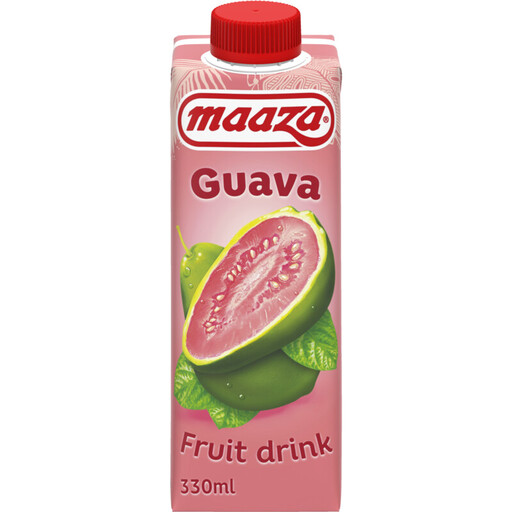
Why it suits this profile: A single serving of guava drink is ideal for trying a new exotic fruit flavour without immediately buying a large multipack.
The product specifications state 16% guava juice from concentrate and 6.9 g of sugar per 100 ml. This means you can check the composition before buying.
330 ml per can; guava flavour made with purée according to the product description; best served chilled.

Why it suits this profile: Ideal for anyone who cares about the composition of their coconut water and wants to stock up on vegan drinks at home.
According to the product information, this is 100% pure coconut water with no added sugar and 2% coconut pieces. Check the label upon delivery.
12 cans of 330 ml; vegan and gluten-free according to the product description; with real coconut pieces.

Why it suits this profile: A practical choice for households, workplaces or gatherings where several individual servings are needed.
The product description states 30% natural passion fruit juice, no added sugar and 17 kcal per 100 ml. This makes the key comparison points easy to see.
12 cans of 330 ml; sweet and sharp passion fruit flavour; contains vitamin C according to the product information.
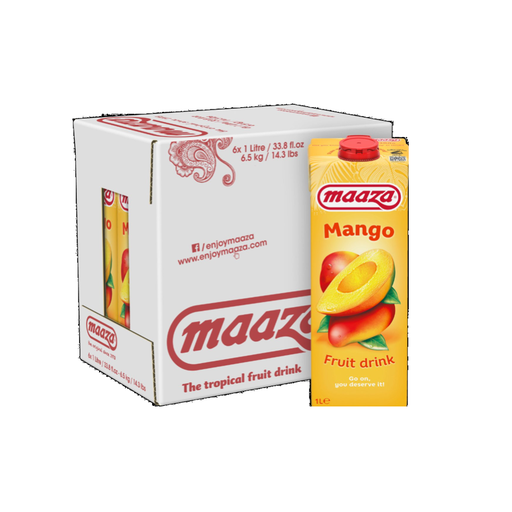
Why it suits this profile: Six 1-litre bottles are ideal for a household that regularly serves mango drink with meals or to guests.
The product specifications state 17% mango purée, 46 kcal and 10.8 g of sugar per 100 ml. This makes the larger pack easy to assess.
6 litres total volume; real mango purée according to the product description; suitable for sharing chilled.
We’ve put together a complete, up-to-date list of products that fully meet these strict selection criteria and the applicable European safety regulations.
This varies by flavour. According to the product information provided, Iam Superjuice Lychee, Pink Guava, Passionfruit, Mango and Soursop contain between 15 and 18 kcal per 100 ml. Always check the current label and pay attention to sweeteners and natural sugars as well.
No. Coconut water is the liquid inside a coconut. A coconut drink may also contain water, sugar, syrup, coconut extract, coconut flesh or carbonation. So compare the ingredients list and the coconut water content before making your choice.
Follow the instructions on the packaging. Many products must be refrigerated after opening and used within a few days. Store an unopened can or carton according to the stated storage conditions and best-before date.
