
Vandaag of morgen in huis

Kwaliteit gegarandeerd

Welkomstaanbiedingen ontgrendelen: GRATIS bezorging | Tot 80% korting | Gratis 30 dagen JoyPlus-proefperiode
Download de app
Buying a tropical fruit drink sounds simple, until you are faced with a shelf or online category containing dozens of mango, coconut and passion fruit drinks. Eye-catching packaging says little about the juice content, amount of sugar or practical pack size.
For consumers in the Netherlands, these are the three main pitfalls to watch out for:
The product information below is based on the available product descriptions. The packaging remains the definitive source for current ingredients, allergens, nutritional values and shelf life.
First, check where the fruit appears in the ingredients list and look for the stated percentage. Iam Superjuice Mango, for example, lists 30% mango juice. According to the product information, Maaza Mango Drink contains 17% mango purée. RUBICON Mango lists 8% mango purée.
This does not automatically mean that a higher percentage will better suit your taste. It does, however, help you compare products objectively. The percentage may be relevant if you want a pronounced fruit flavour; for a lightly carbonated soft drink, carbonation, flavourings and sweeteners also play a part.
Use the nutrition table per 100 ml rather than relying solely on claims on the front of the pack. According to the product description, Iam Superjuice Mango and Passionfruit are made without added sugar and each contain approximately 17 kcal per 100 ml. Pink Guava is listed as containing 16 kcal per 100 ml.
“Without added sugar” does not mean the same as sugar-free fruit drink. Always check the value listed under “of which sugars”. Maaza Mango, for example, is listed as containing approximately 10.8 grams of sugar per 100 ml. A 330 ml can therefore contains more sugar than the per-100-ml figure may initially suggest.
Also check the sweeteners. According to the stated ingredients, RUBICON Mango contains sucralose, as well as sugar and mango purée. This may be important if you prefer to avoid the taste of sweeteners.
A fruit drink can of 230 to 330 ml is practical for travelling, lunch or a party where you want to serve individual portions. A 1-litre bottle is better suited to breakfast or a meal at home. A fruit drink multipack is particularly convenient if you drink the same flavour regularly or want to serve several people.
Check the instructions after opening. Most products should be kept chilled and used within the stated period. Store unopened drinks according to the label, away from direct sunlight and not in a warm place.
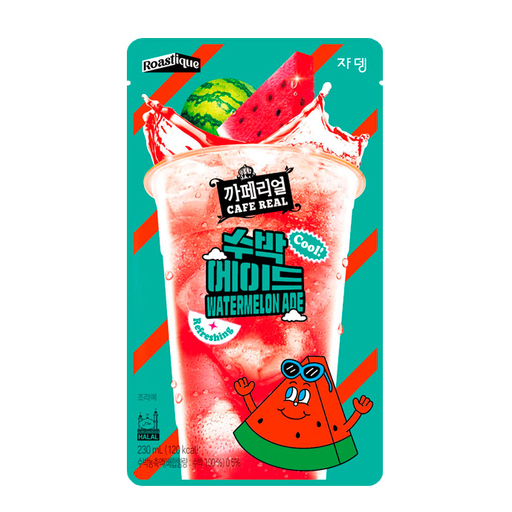
Why This Fits Their Persona: A small serving for anyone who wants to try a tropical soft drink without immediately buying a large box. The 230 ml can is suitable for travelling or a picnic.
The serving size helps to reduce waste. However, check the label: the description states approximately 24 kcal and 6 grams of carbohydrates per 100 ml.
230 ml can; according to the description, made with concentrated watermelon juice and lightly carbonated.

Why This Fits Their Persona: For fans of a distinctive sweet-and-sour passion fruit flavour who want to keep a supply at home or serve guests.
The “no added sugar” claim is supported by specific information: 30% passion fruit juice and approximately 17 kcal per 100 ml, according to the product description.
12 cans of 330 ml; without added sugar according to the product information.
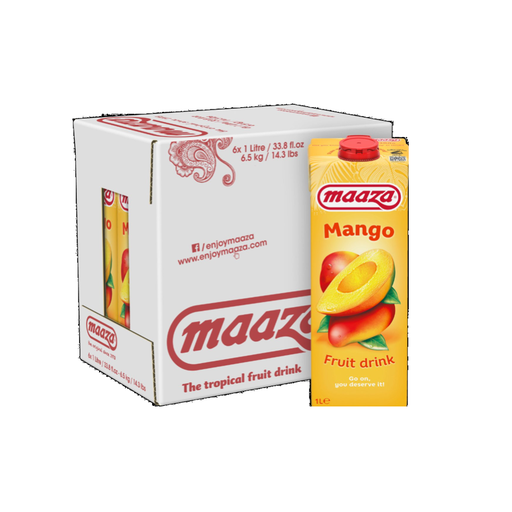
Why This Fits Their Persona: Convenient for families, regular drinkers and meals where a 1-litre bottle is more practical than individual cans.
The total volume is clear: 6 litres. This allows you to compare the price per litre instead of looking only at the promotional price.
6 bottles of 1 litre; according to the description, 17% mango purée and approximately 46 kcal per 100 ml.
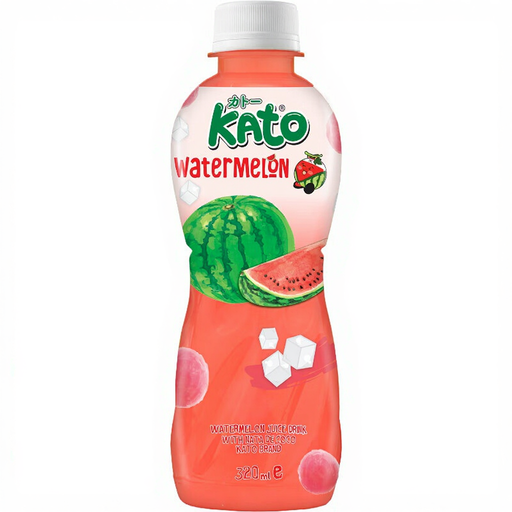
Why This Fits Their Persona: For anyone looking for a different drinking experience alongside a fruit flavour, for example during a relaxed moment at home.
The product information specifically states 25% watermelon juice and 15% nata de coco. Always check the packaging again for allergens and additives.
320 ml bottle; nata de coco provides pieces with a distinctive texture.
Browse a current selection of fruit juice drink cans and compare flavour, volume and product information before ordering.
Fruit juice generally consists of juice, while a fruit drink may also contain water, sugar, sweeteners, acids, flavourings or stabilisers. The legal product name and ingredients list on the label provide the clearest information. Also check the fruit percentage.
No. “Without added sugar” means that no sugar was added during preparation. Fruit may naturally contain sugar. Therefore, check the nutritional information under “carbohydrates, of which sugars”. You should also not infer that a product is “sugar-free” from the front of the packaging alone.
That depends on the price per litre and how much you actually use. A multipack can be convenient for keeping a supply or serving guests, but an individual exotic soft drink prevents you from buying a flavour you do not enjoy. Always compare the net volume, serving size, shelf life and storage space.
