
Vandaag of morgen in huis

Kwaliteit gegarandeerd

Welkomstaanbiedingen ontgrendelen: GRATIS bezorging | Tot 80% korting | Gratis 30 dagen JoyPlus-proefperiode
Download de app
Buying a tropical fruit drink may seem straightforward, but the range varies considerably. A mango drink, for example, may contain only a small proportion of mango, while another variety may list 30% fruit juice. Terms such as “no added sugar”, “natural” and “with fruit” only really tell you something when you check the ingredients list and nutritional information.
Pay particular attention to these three pitfalls:
Ingredients are listed in descending order. If water appears first and fruit juice comes afterwards, the product is mainly water with fruit flavouring. A higher fruit percentage does not automatically mean a better flavour, but it does make comparisons more objective.
Examples from the range:
So, if you want a pronounced mango or guava flavour, do not just compare the product name. Check the fruit percentage too.
A fruit juice with no added sugar can still contain sugar. This may come from the fruit itself. In a product containing sweeteners, you may see sucralose, acesulfame K, steviol glycosides or other sweeteners listed on the label.
According to the product information, Wicky Mango Fruit Drink contains less than 0.1 grams of sugar per 100 ml and uses sweeteners. Iam Superjuice Mango lists no added sugar and 17 kcal per 100 ml. These details are based on the brands’ product information; always check the current label before buying, as ingredients and packaging may change.
Also be aware of the difference between:
A small fruit drink can or 250–330 ml bottle is handy when you are out and about, and prevents an opened pack from standing around for too long. For a family or a stocked cupboard, a fruit drink multipack may be more practical.
When comparing options, look at:
A pack of 12 cans of 330 ml contains almost 4 litres. That is useful when several people enjoy the same flavour, but less suitable if you want to try several flavours first.
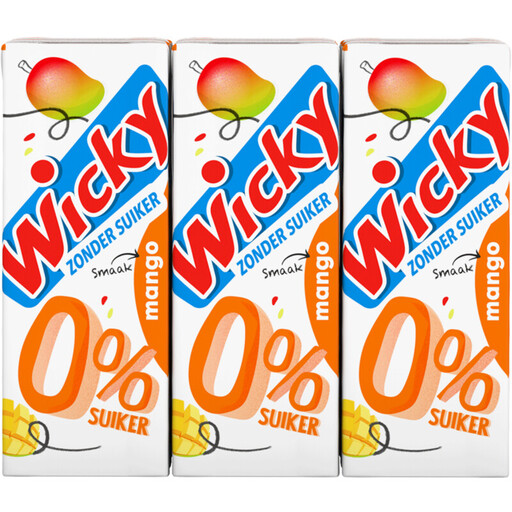
Why it suits this profile: The small packs are suitable for families and lunchboxes, or for anyone who wants to try a mango drink without buying a large supply.
The nutritional information lists less than 0.1 g of sugar and 1 kcal per 100 ml. The low fruit percentage is also clearly stated in the ingredients list.
6 packs of 200 ml, added vitamin C and none of the 14 major EU allergens according to the product information.

Why it suits this profile: This is a practical choice for fans of a distinct mango flavour who want to stock up on cans for home, meals or entertaining.
The product description lists 30% mango juice and 17 kcal per 100 ml. “No added sugar” does not mean that no natural sugars are present.
12 cans of 330 ml, 30% mango juice according to the product information and suitable for serving chilled.

Why it suits this profile: Suitable for anyone looking for an Asian drink with a subtler fruit flavour and an extra textural element.
The description states that it contains 100% coconut water, 2% real coconut pieces and no added sugar. Check the current packaging for the full nutritional information.
12 cans of 330 ml, vegan according to the product information and containing real coconut pieces.
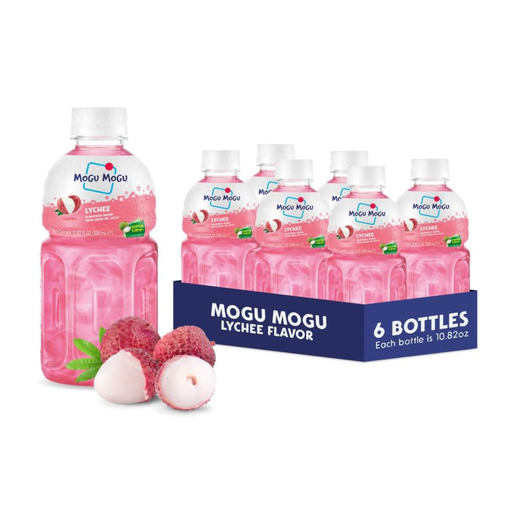
Why it suits this profile: This lychee drink is designed for anyone who wants to combine a sweet tropical drink with soft pieces of nata de coco.
The product information lists sugar and fructose, with approximately 11–13 g of sugar per 100 ml. This is therefore not the right choice for anyone specifically looking for a low-sugar drink.
6 bottles of 320 ml and nata de coco for a different drinking experience from a standard fruit drink.
We have put together a complete, up-to-date list of products that fully meet these strict selection criteria and the applicable European safety regulations.
If you are looking for an exotic fruit drink with fewer calories, you could also consider Iam Superjuice Lychee, Pink Guava, Mangosteen or Soursop. According to the product information, these varieties contain 15 to 18 kcal per 100 ml and have no added sugar. The stated values and brand claims should always be checked against the packaging.
For a larger bottle, Taksi Tropical Fruit Juice 1.5 litres is an option. According to the label, this drink contains 34 kcal and 7.9 grams of sugar per 100 ml, as well as milk ingredients. This makes checking the allergens particularly important. If you are looking for a standard sweet guava drink, you could consider Maaza Guava; it lists 16% guava juice from concentrate and 6.9 grams of sugar per 100 ml.
This varies by product. Wicky Mango lists less than 0.1 grams of sugar per 100 ml. According to the product information, Iam Superjuice varieties have no added sugar, but may contain natural sugars or sweeteners. Always check the “of which sugars” line per 100 ml.
No. Coconut water comes from the coconut and has a different flavour and composition from mango, lychee or guava juice. Some products also contain coconut pieces, sugar or other ingredients. Check whether the label says “100% coconut water” and whether sugar has been added.
Follow the instructions on the packaging. Many drinks need to be refrigerated after opening and consumed within a few days. Unopened cans and bottles should generally be stored in a cool, dry place away from direct sunlight. Before use, also check the best-before date and that the packaging is properly sealed.
