
Vandaag of morgen in huis

Kwaliteit gegarandeerd

Welkomstaanbiedingen ontgrendelen: GRATIS bezorging | Tot 80% korting | Gratis 30 dagen JoyPlus-proefperiode
Download de app
Buying a tropical fruit drink seems simple until you compare the labels. One bottle calls itself fruit juice, even though it contains only a limited percentage of fruit. Another drink says “no added sugar”, but still contains sweeteners or naturally occurring sugars. Packaging also makes a difference: a 1-litre carton is practical for families, while 330 ml cans are convenient for drinking on the go.
This buying guide compares tropical fruit juice, mango drink, guava drink, lychee drink and passion fruit drink using verifiable product information.
Pay attention to the difference between:
For example, Wicky Mango Fruit Drink contains less than 0.1 grams of sugar per 100 ml and includes sweeteners. Iam Superjuice products are described as drinks with no added sugar, but they still have a stated energy value. Always check both the ingredients and the nutritional information.
“Mango”, “guava” or “lychee” on the front does not automatically mean that the drink is made mostly from that fruit. According to the product information, Maaza Guava 330 ml contains 16% guava juice from concentrate. The 1-litre pack of Maaza Guava states that it contains 18% guava purée. Iam Superjuice Mango, Lychee, Passionfruit and Pink Guava each state that they contain 30% of the named fruit.
So compare the fruit percentage, the form of the fruit — juice, purée or concentrate — and the full ingredients list.
An individual 320 or 330 ml fruit drink is suitable for drinking chilled straight away. For a family or a well-stocked cupboard, a multipack may be better value and more practical. So calculate the price per litre, rather than looking only at the price per bottle or can.
Also check the shelf life and storage instructions. Unopened cartons and cans can usually be stored outside the fridge, according to the label. Once opened, the drink should generally be kept chilled and consumed within the stated period.
Choose based on the flavour you are actually looking for:
A higher fruit percentage may affect the flavour and composition, but does not in itself mean that everyone will enjoy the drink more. Look at the ingredients, then choose according to your personal preference.
Compare the nutritional information per 100 ml. This keeps different pack sizes easy to compare fairly. The available product information includes:
“No added sugar” does not automatically mean “no sweeteners” or “sugar-free”. Also check the allergens. Taksi Tropical, for example, contains milk ingredients, while several of the other drinks mentioned do not list any of the 14 main EU allergens according to their product information.
For single servings, 330 ml fruit drink cans or small bottles are practical. A tray of 12 cans is suitable for stocking up, entertaining guests or sharing. For breakfast, lunch or several people, a 1-litre fruit drink or 1.5-litre pack usually makes more sense.
Also check whether the packaging is made of cans, bottles or cartons, and whether you have enough fridge space once it has been opened.
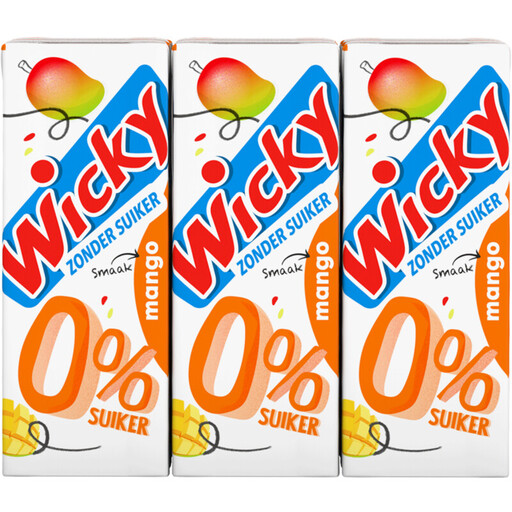
Why it suits this profile: The small packs are easy for families to manage and convenient to take with you as individual portions. The product information states that they contain less than 0.1 grams of sugar per 100 ml.
The nutritional information makes the sugar content easy to check. However, note that the drink contains sweeteners, including sucralose and acesulfame-K.
6 x 200 ml, mango flavour, less than 0.1 grams of sugar and added vitamin C according to the product information.

Why it suits this profile: This option is aimed at shoppers who want a clearly stated fruit percentage and a distinctive passion fruit flavour. The tray is ideal for sharing or stocking up.
The label states that it contains 30% natural passion fruit and no added sugar. However, check the full nutrition table for naturally occurring sugars.
30% passion fruit, 17 kcal per 100 ml, 12 cans of 330 ml and no added sugar according to the product description.
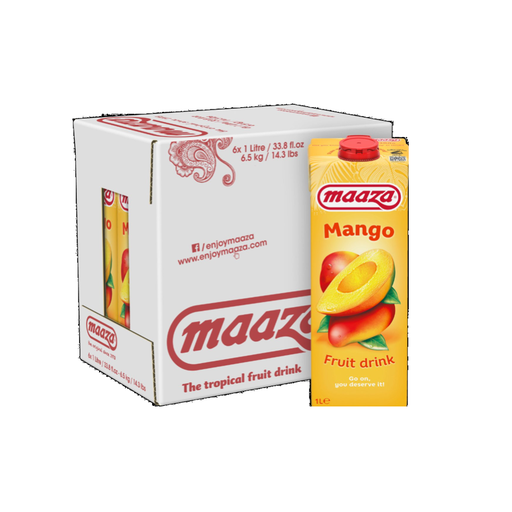
Why it suits this profile: The six 1-litre cartons are ideal for families, parties and households that regularly serve mango drink.
The volume and fruit content are clearly stated: 17% mango purée and 1 litre per pack. However, the drink contains sugar, so compare it with sugar-free alternatives.
6 x 1 litre, 17% mango purée, 46 kcal and 10.8 grams of sugars per 100 ml according to the product information.
We have put together a complete, up-to-date list of products that fully meet these strict selection criteria and the applicable European safety regulations.
That depends on the product. Wicky Mango states that it contains less than 0.1 grams of sugar per 100 ml. Iam Superjuice Mango, Lychee, Pink Guava and Passionfruit are described as drinks with no added sugar. Always check the label, as “no added sugar” does not mean completely sugar-free.
A 330 ml can or bottle is practical for drinking on the go and prevents a large carton from sitting in the fridge for too long after opening. A 1-litre pack is usually more suitable for families, meals or several glasses. When comparing multipacks, check the total volume and price per litre.
Always follow the instructions on the packaging. The product information for the drinks mentioned generally states that an opened pack should be kept chilled and used within the specified period. Store unopened drinks in a cool, dry place away from direct sunlight, unless the label states otherwise.
