
Vandaag of morgen in huis

Kwaliteit gegarandeerd

Welkomstaanbiedingen ontgrendelen: GRATIS bezorging | Tot 80% korting | Gratis 30 dagen JoyPlus-proefperiode
Download de app
When buying a tropical fruit drink, many people first look at the flavour on the label. Mango, guava, lychee and passion fruit sound appealing, but the name does not always indicate how much fruit the drink contains. Terms such as “sugar-free” and “natural” can also be confusing. With the right checks, you can compare fruit drinks online by ingredients, nutritional values, contents and packaging format.
A mango drink may consist mainly of water with a limited amount of mango ingredients. For example, the product information for Wicky Mango Fruit Drink states that it contains 0.2% mango juice from concentrate. According to the listed ingredients, Maaza Mango Drink contains 17% mango purée. These are clearly different formulations, even though both fall into the tropical fruit drink category.
Always check:
A fruit drink with no added sugar may still contain natural sugars from fruit. According to the product description, the Iam Superjuice varieties are made without added sugar and contain between 15 and 17 kcal per 100 ml. This does not mean they contain no carbohydrates or sugars.
By contrast, Wicky Mango Fruit Drink lists less than 0.1 grams of sugar and carbohydrates per 100 ml, but it does contain sweeteners such as sucralose and acesulfame-K. If you are looking for a sugar-free fruit drink, it is therefore wise to check both the nutrition table and the ingredients list.
A tray of 12 cans may seem economical, but it requires more storage space. For home use, a 1- or 1.5-litre pack may be more convenient. Smaller 200- or 330-ml packs are better suited to lunch, drinking on the go or individual portions.
When comparing a fruit drink multipack, look beyond the total price and also consider:
Fruit content is one of the most useful points of comparison. Iam Superjuice Mango Drink lists 30% mango juice. Iam Superjuice Passionfruit Drink and Lychee Drink also list 30% natural fruit juice. According to the product details, Maaza Guava Fruit Drink contains 16% guava juice from concentrate.
A higher fruit content does not automatically determine which drink is right for you, but it does provide more context about the flavour and formulation. Also look for additional ingredients such as milk components, sugar, flavourings and food acids. Taksi Exotic Fruit Juice, for example, contains milk components and is therefore a different type of drink from a clear passion fruit beverage.
Always compare values per 100 ml. This prevents a small can from appearing more favourable than a large bottle simply because the serving sizes differ.
Some listed values:
Always check the current packaging when purchasing. Product formulations and labels may change.
For a family, a 1-litre bottle or 1.5-litre pack may be a good choice. For individual consumption, 200 or 330 ml is often more convenient. Once opened, fruit drinks generally need to be refrigerated and consumed within the period stated on the packaging.
Coconut water deserves particular attention. According to the product information, Foco Roasted Coconut Juice consists of 80% roasted coconut water, water, coconut flesh, sugar and citric acid. Iam Superjuice Coconut Water is described as 100% coconut water with 2% coconut pieces and no added sugar. These are different products: coconut water with coconut flesh versus a sweetened coconut beverage.
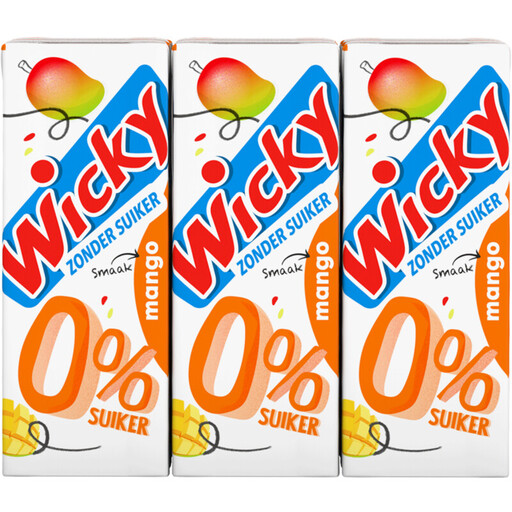
Why it’s a good fit: The small cartons are practical for school, travelling or households where individual portions matter. According to the product information, this variety contains less than 0.1 grams of sugar per 100 ml.
The product page clearly shows the sugar content and use of sweeteners. This lets you compare more than just the word mango on the label.
6 x 200 ml, added vitamin C according to the product information, with none of the 14 major EU allergens listed.

Why it’s a good fit: The 12 cans are ideal for fans of a tart, aromatic passion fruit drink and for occasions when chilled individual servings need to be ready to enjoy.
The stated 30% fruit content provides more information than the tropical product name alone. “No added sugar” is separate from the total sugar content.
30% passion fruit juice according to the product information, 17 kcal per 100 ml and 12 x 330 ml per tray.

Why it’s a good fit: A tray of 12 cans is convenient for families, entertaining or keeping a regular supply of exotic drinks on hand. Each can provides an individual serving.
The product description specifies 100% coconut water, 2% coconut pieces and no added sugar. Check these details against the current label when the product arrives.
12 x 330 ml, with coconut pieces according to the product information, listed as vegan and suitable for serving chilled.
Browse a current selection of drinks and plant-based options, and compare flavour, ingredients, volume and packaging before ordering.
Fruit juice consists primarily of juice, while a fruit drink often contains water, fruit juice or purée, sugar or sweeteners and acids. The exact distinction depends on the product category and label. Always check the fruit content and ingredients.
No. “No added sugar” means that, according to the product information, no sugar has been added to the recipe. The product may still contain natural sugars from fruit. Check the nutrition table per 100 ml.
That depends on the promotion and how you plan to use it. Divide the total price by the number of litres for a fair comparison. A multipack can be convenient for stocking up and serving individual portions; a large bottle may use less packaging per litre, but it must be refrigerated once opened.
