
Vandaag of morgen in huis

Kwaliteit gegarandeerd

Welkomstaanbiedingen ontgrendelen: GRATIS bezorging | Tot 80% korting | Gratis 30 dagen JoyPlus-proefperiode
Download de app
Buying a tropical fruit drink seems simple, until you have to choose between mango drink, guava drink, watermelon drink, lychee drink or an exotic fruit drink with nata de coco. The front of the pack often features terms such as “natural”, “light” or “sugar-free”, but these words do not tell the whole story.
With this practical guide, you can focus on the factors that really matter to UK consumers: fruit content, sugar content, serving size, packaging and shelf life after opening. This helps you avoid buying a multipack that does not suit your household, or confusing a low-calorie drink with a sugar-free product.
A fruit drink with no added sugar may still contain naturally occurring sugars. Always check the nutritional information per 100 ml. For example, Iam Superjuice Mango lists 17 kcal per 100 ml and no added sugar. Iam Superjuice Soursop lists 18 kcal per 100 ml, which is approximately 59 kcal per 330 ml can.
Also pay attention to the difference between sugars and added sugar. A product may contain no added sugar in the recipe but still taste sweet because of fruit or sweeteners. Always check both the ingredients list and the nutrition table.
A large pack of fruit drinks can be convenient for families, parties or catering, but once opened, a bottle usually needs to be refrigerated and consumed within the period stated on the label. A tray of cans or small bottles may therefore be more practical, even if the price per litre is not always lower.
Compare:
“Mango”, “guava” or “watermelon” on the packaging does not automatically mean that the product mainly consists of that fruit. For example, Maaza Guava Drink 1000 ml contains 18% guava purée, while Maaza Mango Drink 1 litre contains 17% mango purée. When choosing a fruit juice or fruit drink, it is therefore sensible to check the fruit content and the order in which the ingredients are listed.
“Nata de coco” is also an additional texture ingredient, not an indication that the drink is pure fruit juice. According to the product information, Mogu Mogu Blackcurrant consists of 25% nata de coco and contains 12 grams of sugar per 100 ml.
First decide what type of drink you are looking for:
“Not from concentrate” may be important to some shoppers. According to the product description, Iam Superjuice Soursop Drink is offered as not made from concentrate. This is a verifiable product characteristic, but on its own it says nothing about personal taste or nutritional value.
Use the nutrition table as your standard point of comparison. A difference of a few kcal per 100 ml may seem small, but it becomes more significant with a 1-litre bottle or a tray.
Examples from the range:
“Low-calorie drink” is therefore a relative search term. Always compare the same quantity and do not rely solely on the front of the packaging.
Cans of 230 to 330 ml are practical for drinking on the go. For a family or a barbecue, 1-litre bottles or trays may be more suitable. Kato Watermelon Juice with Nata de Coco is available as an individual 320 ml bottle and in a pack of 24. The larger pack is better suited to regular use, while an individual bottle is ideal for trying the flavour and texture first.
Always check the label before consuming the product. Packaging can change and may sometimes contain more up-to-date information than an online product page. Pay particular attention to allergens, sweeteners, colourings and storage instructions.
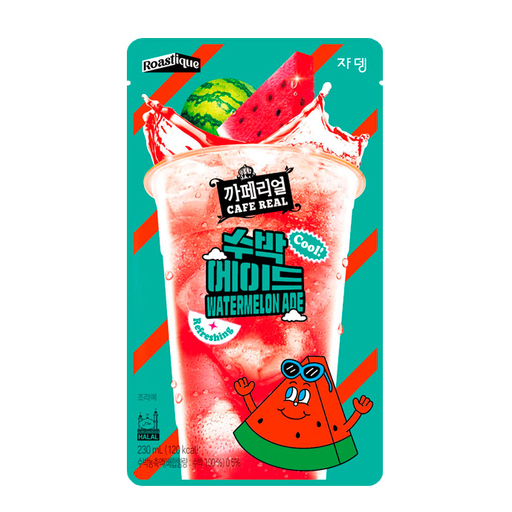
Why it suits this profile: The 230 ml can is a convenient way to try a watermelon drink without ordering a large supply straight away.
The small serving size helps to minimise waste. The product information lists approximately 24 kcal per 100 ml and clearly includes sugar in the ingredients list.
230 ml can; product information lists watermelon juice and a lightly sparkling finish.
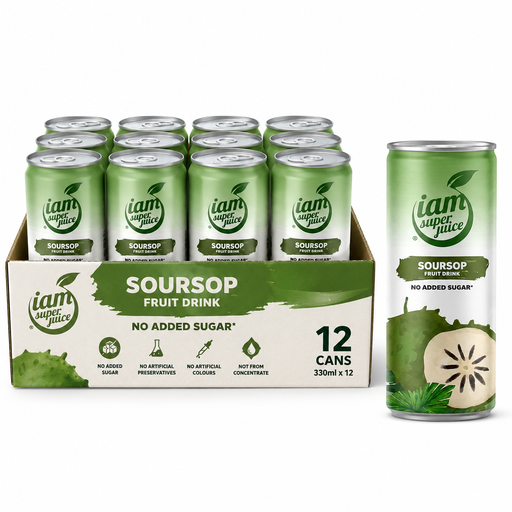
Why it suits this profile: A tray of 12 cans provides a reliable supply for fans of the less familiar soursop or guanabana drink.
The product page separately lists 18 kcal per 100 ml, no added sugar and 330 ml per can. This allows you to assess the serving size and nutritional value in advance.
Soursop flavour; 12 x 330 ml; according to the product information, not made from concentrate.
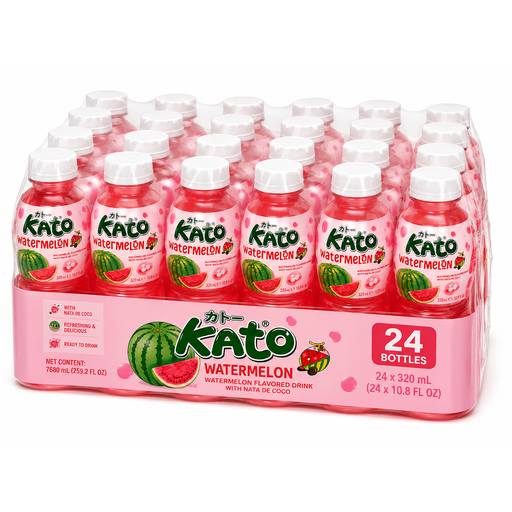
Why it suits this profile: The pack of 24 bottles is designed for parties, catering, sharing or households that regularly serve a nata de coco drink.
The volume, packaging and nutritional value are clearly stated: 24 bottles of 320 ml, 24 kcal per 100 ml and 13 grams of sugar per 100 ml.
Watermelon flavour; nata de coco; individual 320 ml bottles.
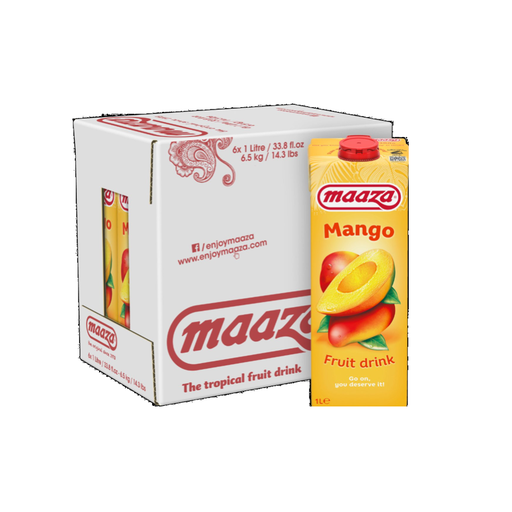
Why it suits this profile: Six 1-litre bottles are suitable for family occasions, meals and guests when mango drink is served by the glass.
The product information lists 17% mango purée, 46 kcal and 10.8 grams of sugar per 100 ml. This makes the composition easier to compare with other fruit drinks.
1-litre bottles; 6 bottles per pack; clear mango flavour and purée content.
We have put together a complete, up-to-date list of products that fully meet these strict selection criteria and the applicable European safety regulations.
This varies by brand and flavour. The product information mentioned above lists Iam Superjuice Lychee at 15 kcal per 100 ml, Iam Superjuice Mango at 17 kcal and Iam Superjuice Soursop at 18 kcal. Always check the label, as recipes and packaging may change.
No. Fruit can contain naturally occurring sugars, and some products use sweeteners. Check the ingredients list and the nutritional information per 100 ml. Do not confuse “no added sugar” with “sugar-free”.
Follow the instructions on the packaging. In most cases, an opened bottle must be refrigerated and consumed within the stated period. Gently shake fruit drinks containing purée before use, and check the seal and best-before date before opening.
