
Vandaag of morgen in huis

Kwaliteit gegarandeerd

Welkomstaanbiedingen ontgrendelen: GRATIS bezorging | Tot 80% korting | Gratis 30 dagen JoyPlus-proefperiode
Download de app
Anyone looking to buy a tropical fruit drink online will quickly come across dozens of colourful cans, cartons and bottles. However, an image of mango, passion fruit or coconut does not reveal how much fruit the drink actually contains. Terms such as “light”, “natural” or “with vitamins” do not always provide the full picture either.
As a Joybuy Product Recommendation Officer, I filter marketing language through verifiable information. Below, you’ll learn what to look for in an exotic fruit drink, which packaging formats suit different occasions and which popular choices in 2026 match different shopping profiles.
An image of mango or guava on the packaging can make a drink look like fruit juice. That’s why you should check the percentage of fruit juice, purée or concentrate in the ingredients list. Maaza Guava Fruit Drink, for example, states that it contains 16% guava juice from concentrate. This makes it a guava fruit drink, but not the same as 100% juice.
Dimes Nar Suyu lists water with pomegranate juice from concentrate as an ingredient. The product name refers to 100% pomegranate juice, but always check the current label and nutritional information before ordering.
A fruit drink with no added sugar may still contain natural sugars from fruit. According to the product information, Iam Superjuice Passionfruit contains 30% natural passion fruit juice, no added sugar and 17 kcal per 100 ml. The mango variant also states 30% mango and uses steviol glycosides as a sweetener.
For a meaningful comparison, check at least these three details:
A 1- or 1.5-litre bottle or carton is ideal for a meal or party, but once opened, the drink will generally need to be refrigerated and consumed within the stated period. Individual cans and pouches may cost more per litre, but they are convenient for travelling and help reduce waste.
Also check the total volume. A tray of 12 cans at 330 ml contains 3.96 litres. That is practical for stocking up, but less suitable if you only want to try a new flavour occasionally.
First, check whether you are buying fruit juice, a fruit drink, a soft drink or a fruit-and-dairy beverage. The differences matter:
According to the product information, Taksi Tropical Fruit contains 6% juice from concentrate and 40% milk permeate. It is therefore not pure fruit juice. Based on the listed ingredients, Foco Roasted Coconut Juice consists of 80% roasted coconut water, water, coconut flesh, sugar and citric acid.
Always use the values per 100 ml to compare brands fairly. Here are several examples from the available product information:
A low calorie count may be linked to the use of sweeteners. If you prefer to avoid sugar from fruit or sugar as an ingredient, check the complete ingredients list rather than relying solely on the front of the packaging.
For a picnic or lunch, 230- to 330-ml portions are easy to carry. Jardin Cafe Real Watermelon Ade comes in a 230-ml can and, according to the product information, has a lightly carbonated finish. Ice Talk Watermelon Drinks comes in a 230-ml pouch.
For families and parties, 1- or 1.5-litre cartons are often more convenient. Once opened, follow the storage instructions on the label. Store unopened drinks in a cool, dry place away from direct sunlight unless the packaging specifies otherwise.

Why This Fits Their Persona: A tray of 12 330-ml cans is practical for stocking up, taking to work or serving guests. The bold passion fruit flavour suits anyone wanting to try an exotic fruit drink without immediately buying several large cartons.
The stated fruit content is 30%, while “no added sugar” appears alongside a nutritional value of 17 kcal per 100 ml. Check the current label before purchasing.
30% natural passion fruit juice according to the product description; 12 individual 330-ml cans.
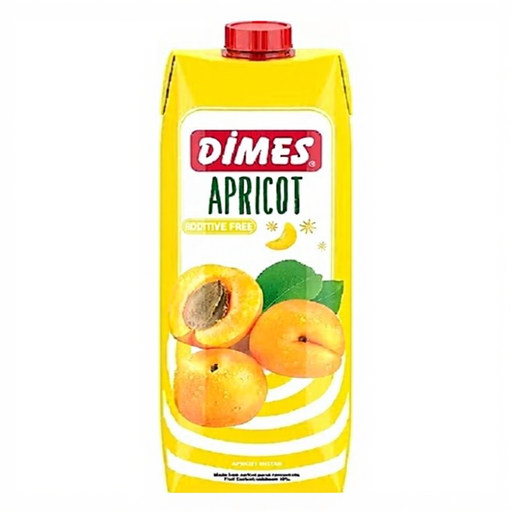
Why This Fits Their Persona: A 1-litre carton is well suited to Turkish meals, breakfast or a family table. The stated apricot purée gives the drink a thicker, richer mouthfeel than a clear soft drink.
The product information states more than 40% apricot purée and 50 kcal per 100 ml. Compare this with your preferred sugar and calorie intake.
1-litre capacity; made with a high proportion of apricot purée according to the product description.
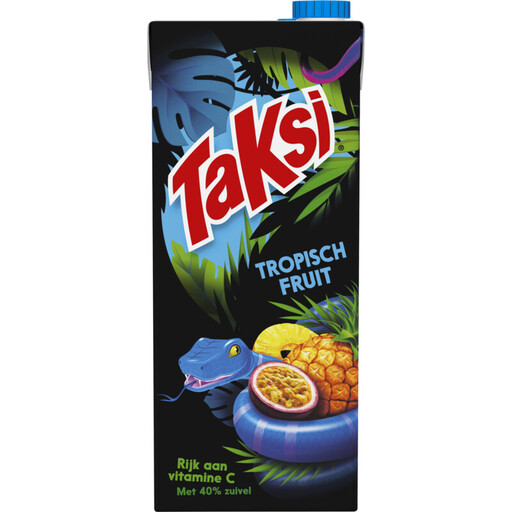
Why This Fits Their Persona: The 1.5-litre format is ideal for families, meals or parties. The drink combines fruit concentrate with dairy ingredients, giving it a different profile from a clear tropical fruit drink.
The ingredients list includes milk permeate, and the allergen information identifies milk. This prevents you from mistakenly expecting a dairy-free drink.
1.5-litre capacity; 34 kcal and 7.9 grams of sugar per 100 ml according to the stated nutritional values.
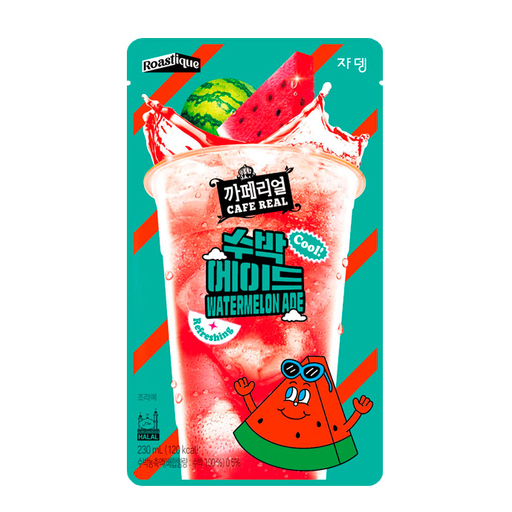
Why This Fits Their Persona: The 230-ml can is easy to take to a park, picnic or event. Its light carbonation suits anyone looking for a watermelon drink with a refreshing soft-drink character.
The packaging lists watermelon juice concentrate, sugar and carbonation. This makes it clear that it is not pure juice or an unsweetened coconut drink.
230 ml per can; ready to drink and approximately 24 kcal per 100 ml according to the product information.
Browse a current selection of fruit drinks and compare flavour, volume, ingredients and nutritional values before ordering online.
That depends on the flavour and the dish. Mango, guava and passion fruit drinks often pair well with spicy meals. Coconut drinks complement Asian cuisine. For a larger table, Dimes Mango Drink or a 1.5-litre carton is practical. Always check the allergen label for dairy-based variants.
No. “No added sugar” means that no sugar was added during production, but fruit can naturally contain sugar. Check the table per 100 ml and see whether sweeteners have been used. Iam Superjuice states 17 kcal per 100 ml; the current packaging remains the definitive source.
Follow the instructions on the packaging. Many cartons and bottles should be refrigerated after opening and consumed within the specified period. Small cans, pouches and individual portions are convenient if you want to minimise waste. Always check the best-before date and the condition of the packaging before consumption.
