
Vandaag of morgen in huis

Kwaliteit gegarandeerd

Welkomstaanbiedingen ontgrendelen: GRATIS bezorging | Tot 80% korting | Gratis 30 dagen JoyPlus-proefperiode
Download de app
Would you like to buy tropical fruit drinks, but can no longer see the difference between mango, lychee, guava and coconut water? Packaging often features terms such as “natural”, “sugar-free” or “made with real fruit”. These words do not always mean what you might expect as a shopper. For example, a drink may contain no added sugar, while still containing naturally occurring sugars or sweeteners.
That is why it is worth checking three things before you order: the ingredients list, the nutritional information and the quantity per pack. This helps you avoid paying more for a small bottle than for a multipack, or discovering that an exotic fruit drink contains less fruit than its name suggests.
A sugar-free fruit drink may contain sweeteners. Wicky Mango Fruit Drink, for example, lists less than 0.1 grams of sugars per 100 ml, but does contain sucralose and acesulfame-K. This makes it suitable for anyone looking to limit sugar, but not necessarily for those wishing to avoid all sweeteners.
So pay attention to the difference between:
Always check the current packaging. Recipes and labels may change.
Mango drinks, lychee drinks and guava drinks can have a strong fruity flavour without containing a high proportion of juice or purée. Iam Superjuice Mango, for example, lists 30% mango juice, while Maaza Guava lists 16% guava juice from concentrate. According to the product information, Sagiko Mango Juice contains mango purée, as well as sugar and fructose.
The fruit percentage is therefore a useful basis for comparison. Also check whether the product contains juice, purée, concentrate or mainly flavourings.
A tray of 12 330 ml cans is convenient for stocking up, sharing and taking with you. For a family, however, a 1-litre pack may mean less packaging per serving. Small bottles or cartons are practical for lunch, work or a day out.
So compare the price per litre, rather than just the price of the box. Also consider the best-before date, storage requirements and the instruction to refrigerate the product once opened.
Ingredients are listed in descending order by quantity. If sugar appears near the top, it makes up a significant part of the recipe. There can also be a substantial difference between coconut water products: according to the product description, Iam Superjuice Coconut Water is made with 100% coconut water and contains 2% coconut pieces, while Coco Rico lists, among other ingredients, carbonated water, sugar or glucose-fructose syrup and coconut extract.
If you shop for vegan or gluten-free products, check both the product page and the label. The supplied product information describes Iam Superjuice Coconut Water and Mangosteen as vegan and gluten-free. This is information provided by the brand or seller, not a general feature of all coconut water products.
Check allergens particularly carefully in drinks containing milk ingredients. According to the detailed ingredient information, Taksi Tropical Fruit Drink contains 40% milk ingredients. Do not choose this product if you avoid milk.
Use the nutritional information table to compare different drinks fairly. Here are a few examples:
A “light” drink is therefore not automatically the right choice for everyone. If you prefer a sweeter flavour and nata de coco, you may deliberately choose Mogu Mogu. If you are looking for less sugar, it is better to compare the figures per 100 ml.
A standard exotic fruit drink is smooth and best served chilled. Mogu Mogu contains nata de coco: soft pieces of coconut jelly that give it a pleasantly chewy texture. This makes the Asian drink different from a standard tropical fruit juice.
Lychee, mango and guava are a good choice with a meal if you are looking for a pronounced fruity flavour. Coconut water is milder and can also be enjoyed on its own. When viewing multipacks, check whether all the portions have the same flavour or whether you would prefer to order a selection of varieties.
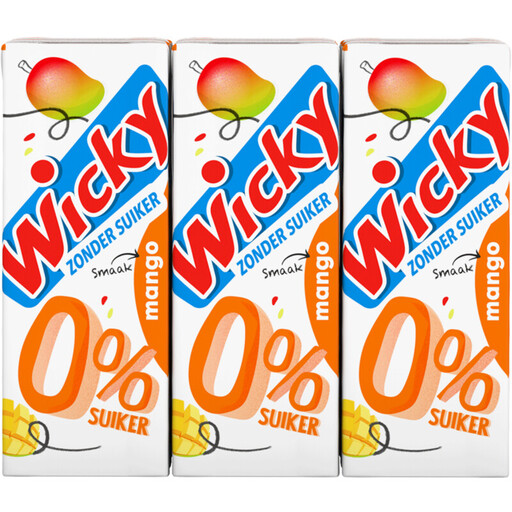
Why it suits this profile: The 200 ml portions are practical for lunch, school or taking with you. According to the product information, the drink contains less than 0.1 grams of sugar per 100 ml.
The nutritional information makes it clear that the low sugar content is linked to the sweeteners used. You therefore know exactly what you are buying.
6 individual 200 ml packs, less than 0.1 grams of sugar per 100 ml and added vitamin C according to the label.

Why it suits this profile: If fruit content is your main priority, the product information lists 30% mango juice and a tray of 12 cans.
The label states both “no added sugar” and steviol glycosides. This lets you compare the claim with the ingredients.
30% mango juice, 17 kcal per 100 ml according to the product information and 12 330 ml cans.

Why it suits this profile: The 12 cans are suitable for keeping at home, sharing or enjoying chilled while you are out and about.
The product description states 100% coconut water and 2% real coconut pieces. This is more specific than simply showing a tropical image on the front.
According to the product information, no added sugar, vegan, gluten-free and made with coconut pieces.
We have put together a complete, up-to-date list of products that fully meet these strict selection criteria and the applicable European safety regulations.
Use these points before adding a fruit drink deal to your basket:
This varies from product to product. Wicky Mango lists less than 0.1 grams of sugar per 100 ml. Iam Superjuice Lychee, Mango and Pink Guava are described as drinks with no added sugar, but each has its own recipe. Always check the nutritional information table and ingredients list.
No. Coconut water is the liquid inside a coconut. Nata de coco is a gelled coconut-based ingredient with a firm, chewy texture. A nata de coco drink may therefore contain coconut pieces, but it is not the same as pure coconut water.
Follow the instructions on the label. In most cases, an opened product should be refrigerated and consumed within the stated period. Seal a bottle or can properly and check the smell, taste and condition of the packaging before drinking.
