
Vandaag of morgen in huis

Kwaliteit gegarandeerd

Welkomstaanbiedingen ontgrendelen: GRATIS bezorging | Tot 80% korting | Gratis 30 dagen JoyPlus-proefperiode
Download de app
A tropical fruit drink may seem easy to choose at first glance. You see a colourful can, a familiar fruit flavour and attractive packaging. However, two products labelled mango drink or lychee drink can differ considerably in fruit juice content, sugar levels, serving size and ingredients.
The main pitfalls are usually not related to the flavour itself, but to the information displayed on the front of the packaging:
Not every exotic fruit drink is fruit juice. Products may contain juice, purée, water, dairy, carbonation or a combination of these. A mango drink containing, for example, 17% mango purée has a different composition from a product containing 30% mango or lychee juice.
Look out for these descriptions:
A higher fruit percentage may create a more pronounced fruit flavour, but on its own it says nothing about personal preference. A sweet-and-sour passion fruit drink, a smooth guava drink or a floral lychee drink will suit different flavour profiles.
Always compare the values per 100 ml. This allows you to compare a tropical fruit drink in a small can fairly with a bottle or carton.
A few examples from the product information:
“No added sugar” and “sugar-free” are therefore not synonyms. Also check whether steviol glycosides, sucralose or other sweeteners have been added. If you are looking for a low-calorie fruit drink, it is worth checking the calories as well as the carbohydrate and sugar content.
Brands may use nutritional claims subject to certain conditions. Always check the current packaging and ingredient list, as product information may change.
Think about how you intend to use the drink:
Store unopened drinks according to the instructions on the packaging, usually in a cool place away from direct sunlight. Many products need to be refrigerated after opening and used within the stated period. Also check whether the packaging is damaged or the seal has been broken.
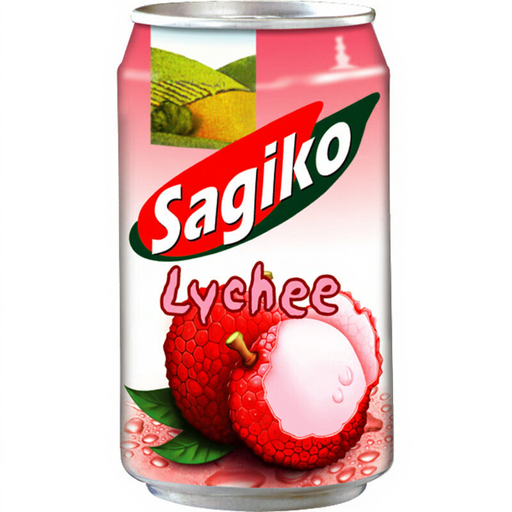
Why it suits this profile: A compact serving for anyone who wants to try a lychee drink without immediately buying a multipack or large carton.
The 320 ml volume makes the serving size clear from the outset. The product information states 43.75 kcal and 10.62 grams of sugars per 100 ml.
Lychee purée is listed among the ingredients; according to the listing, the drink contains none of the 14 main EU allergens.

Why it suits this profile: A supply for home, meals and visitors, with a distinctive mango flavour in a tray of twelve cans.
The listing states 30% mango juice, no added sugar and 17 kcal per 100 ml. Check these details on the label when your order arrives.
12 × 330 ml; according to Iam Superjuice’s own product information, vegan and enriched with vitamin C.
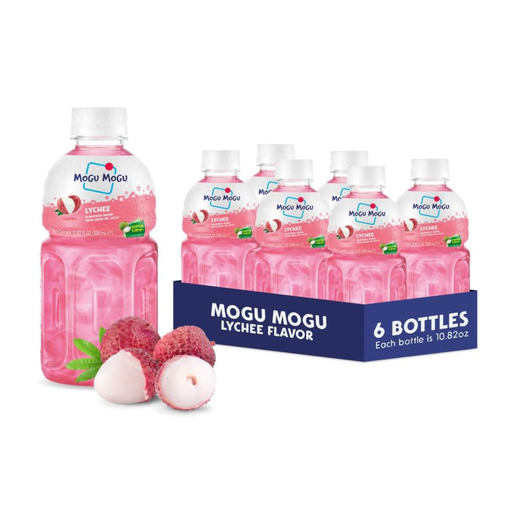
Why it suits this profile: For fans of an Asian soft drink with a pronounced texture rather than just a smooth fruit drink.
The product name and listing mention nata de coco, making it clear in advance that you can expect pieces of coconut jelly.
Multipack of six; the listing states that it contains coconut as an allergen and approximately 47–54 kcal per 100 ml. Check the current label before buying.
We have compiled a complete, up-to-date list of products that fully meet these strict selection criteria and the applicable European safety regulations.
For a meal, 1-litre cartons such as Maaza Mango Drink are practical. The product information states 17% mango purée and 46 kcal per 100 ml. If you are looking for guava flavour, you could consider a guava drink containing 18% guava purée. For parties, small cans are easier to keep chilled and hand out.
Vegan consumers need to pay particular attention to dairy. According to the ingredients list, Taksi Tropical Fruit contains 40% milk ingredients and is therefore not suitable for a vegan diet. The brand’s own product information states that Iam Superjuice products do not list milk as an ingredient, but always check the packaging and allergen information.
If you want to buy a tropical drink online, it is sensible to compare the total volume. A tray of twelve cans may appear larger, but calculate the price per litre. Also check the delivery time, minimum order quantity and shelf life on arrival.
No. Fruit juice and a fruit drink can differ in fruit content, added ingredients and production method. Read the product name, ingredients list and nutritional information table to see exactly what you are buying.
This varies by product. The supplied product information mentions Iam Superjuice Lychee with 15 kcal, Pink Guava with 16 kcal and Mango with 17 kcal per 100 ml, among others. These are product specifications from the listing, not general properties of all drinks with no added sugar.
Always follow the label. Many products need to be refrigerated after opening and consumed within a few days. Seal the packaging properly and do not use a product if the seal was damaged when you bought it.
