
Vandaag of morgen in huis

Kwaliteit gegarandeerd

Welkomstaanbiedingen ontgrendelen: GRATIS bezorging | Tot 80% korting | Gratis 30 dagen JoyPlus-proefperiode
Download de app
A tropical fruit drink may seem straightforward to choose at first glance. However, mango drinks, passion fruit drinks and guava fruit drinks can vary considerably in fruit content, sugar levels, serving size and ingredients. Eye-catching packaging does not always tell you much about what is inside.
Pay particular attention to these three common pitfalls:
If you want to buy tropical fruit juice online, it is worth comparing the product information first. This helps you avoid finding that a large carton is less suitable for your family, or that a small can works out relatively expensive for regular use.
Ingredients are listed in descending order by weight. If water is listed first, the product consists mainly of water. Then look at the fruit content and the form in which the fruit is used:
A pineapple fruit drink with apple as its main fruit juice, for example, may taste different from a product in which pineapple takes centre stage. So check the percentage of each fruit, not just the product name.
Always use the nutritional values per 100 ml. This makes it possible to compare a 1.5-litre bottle, a 1-litre carton and a 330 ml can fairly.
Pay attention to the difference between:
For example, according to the product description, Iam Superjuice Passionfruit contains 17 kcal per 100 ml and no added sugar. Taksi Tropical Fruit Drink states that it contains 2.4 grams of sugar per 100 ml and uses sucralose as a sweetener. Wicky Mango lists less than 0.1 grams of sugar per 100 ml, but also contains sweeteners.
A 1- or 1.5-litre bottle is convenient with a meal or for sharing. Cans or small bottles are more practical when you are out and about. For larger packs, also work out how many glasses you actually need. Once opened, a product generally needs to be refrigerated and used within the time stated on the packaging.
Also always check the allergen information. Some tropical soft drinks and fruit drinks contain milk ingredients. Taksi Exotic Fruit and Taksi Tropical Fruit, for example, are fruit juice and dairy-based drinks and list milk as an allergen. Products containing only fruit, water and sugar may have different allergen information.
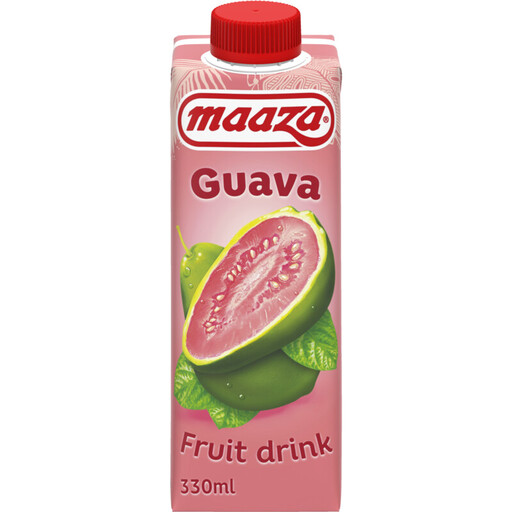
Why it suits this profile: The small bottle is ideal for trying an exotic flavour without immediately buying a large multipack. The guava flavour is combined with 16% guava juice from concentrate.
The fruit content and nutritional values are clearly stated: 29 kcal and 6.9 grams of sugar per 100 ml. This means you do not have to rely solely on the word “guava”.
330 ml per bottle, 16% guava juice from concentrate and, according to the product information, none of the 14 major EU allergens.
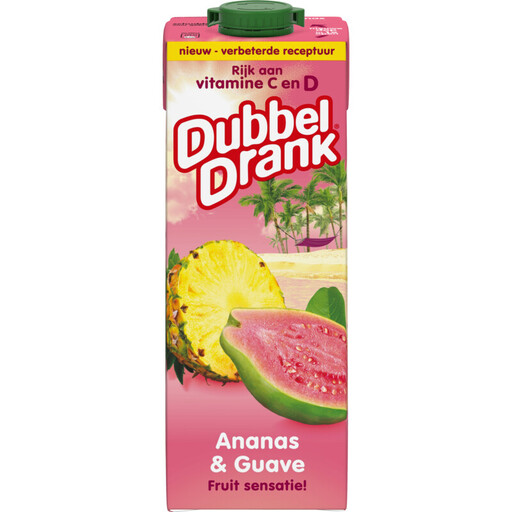
Why it suits this profile: This 1-litre fruit drink combines pineapple and guava with apple, orange, apricot and lemon. It is a good choice if you are looking for layered flavour and a larger format for keeping at home.
The product information states a minimum fruit content of 40%. It also lists 10.3 grams of sugar per 100 ml, making it easier to gauge the sweetness in advance.
According to the product description, the drink contains added vitamins C and D, at least 40% fruit and no added preservatives.

Why it suits this profile: The tray of twelve 330 ml cans is practical for home, work, visitors or taking with you. The pronounced passion fruit flavour is ideal for lovers of a refreshing, tangy exotic fruit drink.
The packaging explicitly states “no added sugar” and 17 kcal per 100 ml. This makes the difference compared with conventionally sweetened drinks clear, while still taking the other ingredients into account.
30% natural passion fruit juice according to the product description, twelve 330 ml servings and vitamin C listed in the product information.
We have compiled a complete, up-to-date list of products that fully meet these strict selection criteria and the applicable European safety regulations.
This varies by product and serving size. Wicky Mango lists less than 0.1 grams of sugar per 100 ml. Taksi Tropical Fruit Drink lists 2.4 grams per 100 ml and uses a sweetener. Iam Superjuice Passionfruit states that it contains 17 kcal per 100 ml and no added sugar. Always check the current label, as recipes or packaging may change.
No. “With vitamin C” is a nutrition claim and should be assessed based on the amount per 100 ml and the total serving. It does not automatically tell you anything about the sugar content, fruit percentage or suitability for your diet. According to the product information, Taksi, DubbelDrank and Iam Superjuice are among the products that contain vitamin C.
Store an opened carton or bottle in the fridge and follow the storage period stated on the packaging. Seal the packaging securely and observe the maximum storage temperature if one is given. Cans are intended to be drunk straight away; it is best not to leave an opened serving unrefrigerated for an extended period.
