
Vandaag of morgen in huis

Kwaliteit gegarandeerd

Welkomstaanbiedingen ontgrendelen: GRATIS bezorging | Tot 80% korting | Gratis 30 dagen JoyPlus-proefperiode
Download de app
Buying a tropical fruit drink seems simple until you start comparing labels. One bottle may contain mostly fruit juice, while another is made mainly from water, sugar or sweeteners. The packaging also makes a difference: a small pouch is handy for drinking on the go, while a multipack of fruit drinks is better suited to a family or a well-stocked cupboard.
So don’t just look for words such as “tropical”, “natural” or “refreshing”. These terms reveal little about the actual ingredients. Pay particular attention to the following common pitfalls.
A product name featuring mango, guava or passion fruit may refer to a juice drink containing only a limited percentage of fruit. Always check the fruit percentage in the ingredients list or product information. A drink containing 30% mango or passion fruit juice has a different flavour and composition from a product made with 100% fruit juice.
Terms such as “with fruit flavour” may also indicate a soft drink with a fruity taste, where flavourings play an important role. There’s nothing necessarily wrong with that, but it is different from a full-bodied fruit drink.
A fruit drink with no added sugar may still contain natural sugars from the fruit. Some drinks also use sweeteners, such as steviol glycosides. Always check the nutritional values per 100 ml and the ingredients list.
For example, a guava drink with added sugar may contain 6.9 grams of sugar per 100 ml, while a passion fruit drink with no added sugar may contain 17 kcal per 100 ml according to the product information. Compare all the available information, rather than relying only on the front of the packaging.
A multipack of fruit drinks is practical if you regularly drink a can or bottle. However, a large pack may be less suitable if you want to try a new flavour first. Also consider the total volume, shelf life and the space available in your cupboard.
For example, a 12-pack of 330 ml cans contains 3.96 litres. A 1-litre family pack uses less packaging per litre, but it must be refrigerated after opening and used within the period stated on the label.
First decide which type of drink you are looking for:
Yi Guo Zhi Li Pomegranate Multi-Fruit Juice states a total fruit juice content of 100%, including NFC guava juice, apple and grape concentrate. This makes it different in composition from a mango drink with a lower fruit percentage.
Compare the values per 100 ml. This prevents a small can or pouch from giving the impression that the drink contains little sugar. Look at:
“No added sugar” does not automatically mean that a drink is sugar-free. According to the product description, Iam Superjuice Mango contains no added sugar but does use steviol glycosides. The same product range states 17 kcal per 100 ml. Always check the current label before buying, as packaging and product information may change.
Pouches and small cans are convenient when you’re out and about. The Pine Apple Ade Pouch contains 190 ml and is designed to be drunk straight away. The Cantabile Pomegranate Ade Pouch contains 230 ml and comes with a straw. These types of packaging are ideal for lunch, a picnic or a short break.
For drinking at home, a 1-litre pack may make more sense. If you want to stock up, consider 12 × 330 ml or other multipacks. Store unopened drinks according to the instructions on the packaging, away from direct sunlight and in a cool, dry place. Once opened, drinks generally need to be refrigerated.
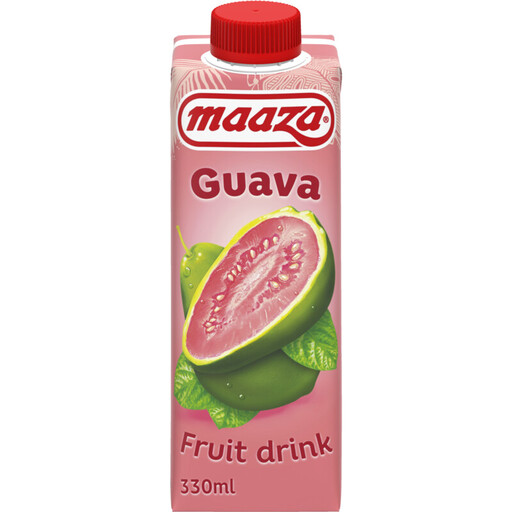
Why it suits this profile: A single 330 ml bottle is an easy way to try guava drink without committing to a multipack.
The product information clearly states that it contains 16% guava juice from concentrate and sugar. You therefore know what you’re buying, rather than relying solely on the flavour name.
330 ml volume; 29 kcal and 6.9 g of sugar per 100 ml according to the product information; best served chilled.
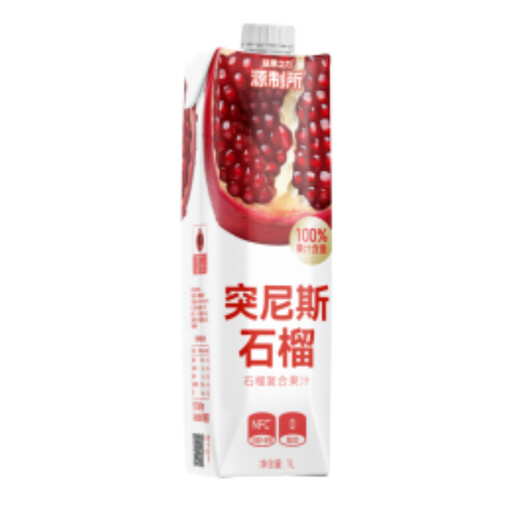
Why it suits this profile: Ideal if fruit content matters more to you than a small single-serve pack and you’re looking for a mixed-fruit flavour.
The label states a total fruit juice content of 100%, making the difference between this product and a standard soft drink clearer.
1-litre volume; combination of NFC guava juice, apple, guava and grape; 32 kcal per 100 ml according to the product information.

Why it suits this profile: A 12-pack is convenient for households, sharing and anyone who regularly wants to serve a chilled tropical fruit drink.
The packaging states 30% natural passion fruit and no added sugar. However, check the current ingredients list and nutritional values on the can.
12 cans of 330 ml; 17 kcal per 100 ml according to the product description; suitable for drinking chilled.

Why it suits this profile: A practical Asian drink for anyone who would rather have coconut water than a sweet mango drink or fizzy soft drink.
The product description states that it contains 100% coconut water, 2% real coconut pieces and no added sugar. Check the packaging for the latest details.
12 × 330 ml; ready to drink; contains coconut pieces and no added sugar according to the product description.
We’ve put together a complete, up-to-date list of products that fully meet these strict selection criteria and the applicable European safety regulations.
According to the label, fruit juice consists of juice, while a fruit drink often contains water, juice or purée and additional ingredients. Check the fruit percentage and the ingredients list. A product containing 100% fruit juice therefore has a different composition from a drink containing, for example, 16% guava juice.
Always follow the instructions on the label. In many cases, an opened pack must be stored in the fridge and consumed within the stated period. Shake the drink if instructed on the packaging, and check that the seal is intact before consuming it.
That depends on the price and total volume. Divide the price by the number of millilitres or cans to make a fair comparison. A multipack is particularly practical when you already know you like the flavour and drink it regularly. For a first taste, a single 330 ml pack is often more flexible.
