
Vandaag of morgen in huis

Kwaliteit gegarandeerd

Welkomstaanbiedingen ontgrendelen: GRATIS bezorging | Tot 80% korting | Gratis 30 dagen JoyPlus-proefperiode
Download de app
A tropical fruit drink may seem easy to choose: you see colourful packaging, an exotic flavour and sometimes a claim such as “no added sugar”. Yet the differences can be significant. One product may be a fruit drink with milk ingredients, while another is a fizzy soft drink or even an alcoholic fruit drink.
So don’t just look for words such as “natural”, “refreshing” or “tropical”. Above all, check the ingredients, nutritional values, volume and storage instructions. This will help you avoid buying a drink that doesn’t suit your family, diet or intended occasion.
A fruit drink with no added sugar may still contain naturally occurring sugars. The manufacturer may also use a sweetener to make the flavour sweeter. For example, Taksi Tropical Fruit Drink states that no sugar has been added, but the product is sweetened with sucralose. The nutritional information lists 2.4 grams of sugar per 100 ml.
Always compare:
The name mango drink, passion fruit drink or lychee drink doesn’t automatically tell you how much fruit it contains. Iam Superjuice Mango lists 30% mango juice. According to the product information, Maaza Mango Drink contains 17% mango purée. Other fruit-flavoured soft drinks may consist mainly of water, sugar, flavourings and colourings.
If you’re looking for a tropical fruit juice, it’s worth comparing the fruit percentage with the nutritional values. A higher fruit percentage can affect the flavour, texture and natural sugars, but on its own it doesn’t tell you everything about the overall composition.
Not every exotic drink is suitable for children or for drinking at work, during sport or before driving. Safari Senza Exotic Fruit-Flavoured Drink contains 14.9% alcohol. Passoa Festa Passion Fruit Cocktail also lists 14.9% alcohol. These are therefore not ordinary fruit juices.
When buying an alcoholic fruit drink, always check:
Start by checking the product category. A fruit drink may contain juice, juice from concentrate, purée, milk ingredients or flavourings. An Asian drink such as Mogu Mogu Lychee Flavoured Drink contains nata de coco: soft pieces of coconut jelly in the drink. This creates a different drinking experience from a smooth mango or passion fruit juice.
For a smooth drink, Maaza Mango, Dimes Mango Drink and Taksi Tropical Fruit Juice are practical options. For a drink with pieces, Mogu Mogu is a different choice. If you’re looking for fizz, consider Jarritos Mango, Jardin Cafe Real Watermelon Ade or Bundaberg Passionfruit.
Use the nutritional table per 100 ml, rather than relying only on the front of the packaging. This allows you to compare small cans, large cartons and multipacks fairly.
Some examples from the available product information:
You should also check claims such as “high in vitamin C” or “contains vitamin C” on the label. According to the product information, Taksi Tropical Fruit Drink lists 17 mg of vitamin C per 100 ml. This is a product specification, not a medical claim.
For drinking on the go, cans of 230 to 330 ml or small bottles are convenient. A multipack, such as 12 × 330 ml, is practical when you want to serve drinks more often or build up a supply. For a family or a party, a 1 or 1.5-litre pack may make more sense.
Pay extra attention to the storage instructions for chilled or milk-based drinks. Taksi products contain milk ingredients and must be refrigerated after opening. Ordinary fruit drinks should also usually be refrigerated after opening and consumed within the period stated on the label. Before buying, also check that the seal is undamaged.
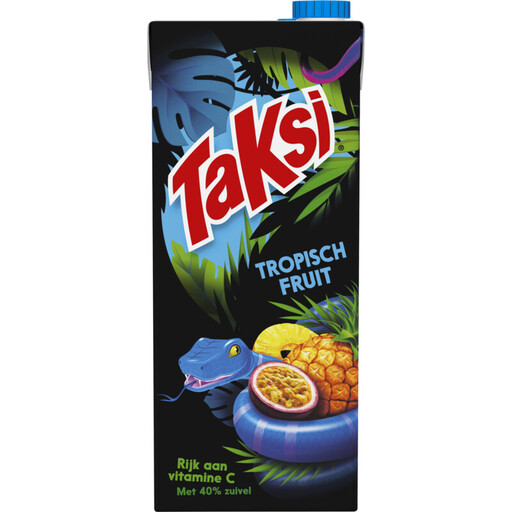
Why it suits this profile: The 1.5-litre bottle is ideal for sharing at home with breakfast, lunch or an informal meal.
The product information clearly states that no sweeteners have been added. However, the drink does contain sugar and milk ingredients, so check this before buying.
1.5-litre volume, 34 kcal per 100 ml according to the product information, and vitamins C and D listed on the label.
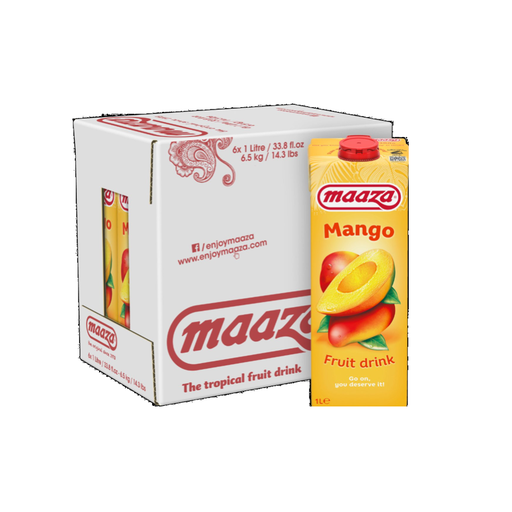
Why it suits this profile: If you want to keep a distinctive mango drink in stock, six one-litre cartons provide plenty for several serving occasions.
The stated fruit content is 17% mango purée. This helps you align your expectations of the fruit flavour more closely with the ingredients list.
1 litre per bottle, 17% mango purée and a nutritional value of 46 kcal per 100 ml according to the product information.

Why it suits this profile: The 12 cans of 330 ml are convenient for stocking up, parties, work or serving chilled with meals.
The product description states 30% passion fruit juice and no added sugar. Always check the current label when your order arrives.
30% natural passion fruit juice, 17 kcal per 100 ml and a tray containing 12 portions of 330 ml.
We’ve put together a complete, up-to-date list of products that fully meet these strict selection criteria and the applicable European safety regulations.
Check the nutritional value per 100 ml and look for the words “no added sugar”. Iam Superjuice Mango, Passionfruit, Lychee and Pink Guava state that they contain no added sugar and, according to the product information, have 15 to 17 kcal per 100 ml. These drinks may still contain sweeteners or naturally occurring sugars, so always check the current ingredients list.
This varies from product to product. Fruit drinks containing milk ingredients, such as Taksi, must be refrigerated after opening and used within the period stated on the packaging. The same applies to other drinks: seal the packaging securely, place it in the fridge and follow the instructions on the label. The best-before date generally applies to an unopened pack.
First choose between cans, small bottles and litre packs. Then check the number of servings, the flavour options and whether the drink contains alcohol. A multipack with mango, passion fruit, lychee or guava is easy to hand out. An alcoholic fruit drink may be suitable for adults, but make the alcohol percentage clear and serve responsibly.
