
Vandaag of morgen in huis

Kwaliteit gegarandeerd

Welkomstaanbiedingen ontgrendelen: GRATIS bezorging | Tot 80% korting | Gratis 30 dagen JoyPlus-proefperiode
Download de app
Buying a tropical fruit drink seems straightforward, until you are faced with a shelf or online selection offering dozens of flavours. A passion fruit, mango or lychee drink can vary considerably in fruit juice content, sugar levels, serving size and packaging. Terms such as “no added sugar” or “with vitamin C” do not tell the whole story either.
The most common pitfalls:
A higher proportion of juice or purée can create a more pronounced fruit profile, but it does not only affect flavour. The order of the ingredients shows which components are present in the greatest quantities. For example, Iam Superjuice Passionfruit lists 30% natural passion fruit juice. According to the product information, the drink contains no added sugar and provides 17 kcal per 100 ml.
The difference can be greater with a mango drink. Maaza Mango lists 17% mango purée, while other products use a blend of apple, pineapple and passion fruit juices. So if you are specifically looking for a mango drink, it is worth checking whether mango takes centre stage or is simply part of a broader tropical blend.
“No added sugar” does not mean that a fruit drink contains no sugar. Look at the line for of which sugars and always compare the same quantity: per 100 ml.
Also pay attention to sweeteners. According to the product description, Iam Superjuice Mango contains steviol glycosides. The 300 ml Taksi Tropical Fruit Drink contains sucralose and provides 11 kcal per 100 ml. The 1.5-litre version of Taksi, on the other hand, contains sugar and no sweeteners, with 34 kcal per 100 ml. These are different product choices, even though they have a similar tropical flavour.
You should also check claims such as “with vitamin C” on the label. For example, Taksi lists 17 mg of vitamin C per 100 ml. Other drinks mention vitamin C in the product information, but the exact amount per serving may differ.
A multipack of fruit drinks is practical when you want to stock up or serve several people. The Iam Superjuice varieties come as 12 cans of 330 ml. This makes them easy to distribute and suitable for the fridge, workplace or a meal.
A 1-litre carton, such as Dimes Mango Drink or g’woon Zappie Tropical Juice, makes more sense for home use. After opening, follow the storage instructions on the packaging and generally keep opened fruit drinks refrigerated when the label advises this.
With an international soft drink or Asian drink, the packaging can be part of the experience. Mogu Mogu Lychee contains nata de coco, while Jardin Muscat Ade comes in a 230 ml pouch. Textures and packaging formats like these are not practical for everyone, so decide in advance whether you are mainly looking for a smooth fruit drink, a fizzy soft drink or a drink containing pieces.
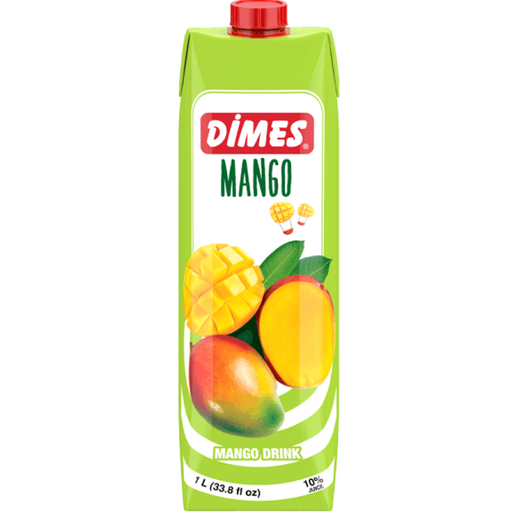
Why it suits this profile: The 1-litre format is suitable for serving at home with lunch, dinner or to a small group. The flavour description mentions mango, pineapple, strawberry and watermelon.
The product description makes it clear that this is a tropical fruit blend. If you are looking exclusively for mango, you can therefore align your expectations of the ingredients and flavour more effectively in advance.
1-litre packaging; suitable for sharing; according to the product information, fat-free and low in sodium.

Why it suits this profile: For those looking for a distinctive passion fruit flavour and set serving sizes. The tray contains 12 cans of 330 ml, making it convenient for home or sharing.
The label states both 30% passion fruit juice and “no added sugar”. The nutritional value of 17 kcal per 100 ml helps you assess the claim alongside concrete figures.
30% natural passion fruit juice; 330 ml per can; according to the product information, the drink contains vitamin C.
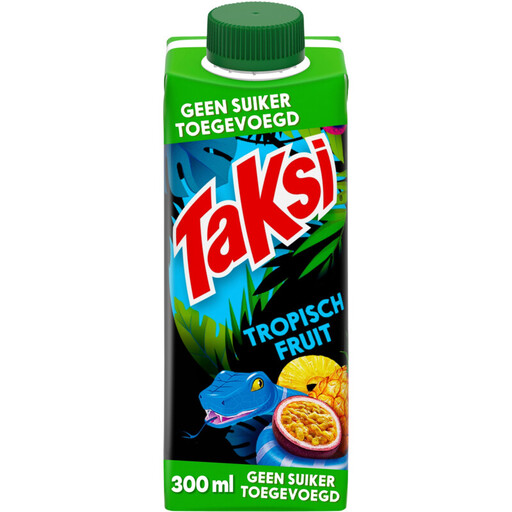
Why it suits this profile: The small bottle is designed for use on the go, at school or during the working day. The combination of fruit drink and milk ingredients gives it a different profile from a standard juice drink.
The ingredients list 40% milk ingredients and fruit concentrate. Check this in advance if you are looking for a pure fruit drink or an option free from milk and allergens.
300 ml on-the-go format; 11 kcal per 100 ml; 17 mg of vitamin C per 100 ml according to the product information.
We have put together a complete, up-to-date list of products that fully meet these strict selection criteria and the applicable European safety regulations.
It varies by product. Iam Superjuice Passionfruit, Pink Guava, Mango and Lychee state “no added sugar”. However, check the nutrition table, as natural fruit sugars may still be present. According to the product information, the 300 ml Taksi Tropical Fruit Drink is also available with no added sugar, but it does contain sweetener and milk ingredients.
Always follow the label. Many fruit drinks need to be refrigerated after opening and used within the stated period. Close the bottle or carton securely and check the use-by or storage information. Cans cannot be resealed after opening, so pour the contents into another container or consume them immediately.
A multipack can be practical if you regularly drink the same flavour or want to stock up. Do not compare only the total price; also check the price per litre and the size of each serving. A tray of 12 cans of 330 ml is convenient, while a 1-litre carton is often more practical for serving several glasses with one meal.
