
Vandaag of morgen in huis

Kwaliteit gegarandeerd

Welkomstaanbiedingen ontgrendelen: GRATIS bezorging | Tot 80% korting | Gratis 30 dagen JoyPlus-proefperiode
Download de app
Buying a tropical fruit drink online may seem straightforward. Yet mango drinks, guava drinks, coconut water and passion fruit drinks can differ significantly in fruit juice content, added sugar, calories and pack size. Colourful packaging reveals little about the actual composition.
For Dutch households, three purchasing pitfalls are particularly relevant:
Confusing “no added sugar” with sugar-free
A drink with no added sugar may still contain natural sugars from fruit. Always check the nutrition table, especially the amount of sugar per 100 ml.
Choosing a large multipack without deciding when you will drink it
A box of 12 cans is convenient for keeping in stock or serving guests, but less practical if you have not tried the flavour before. For a first purchase, a single bottle or can may offer better value.
Treating every fruit drink as fruit juice
A tropical fruit juice may contain juice from concentrate, purée, water, sugar, sweeteners or flavourings. Check the ingredients list and the stated percentage of fruit or juice. The product name alone does not tell the whole story.
For an exotic fruit juice, the fruit percentage is an important point of comparison. According to the product information, Iam Superjuice Passionfruit Drink contains 30% natural passion fruit juice. The Iam Superjuice Mango Drink and Pink Guava also contain 30% fruit juice, according to their product descriptions. This sets them apart from products in which fruit is present primarily as flavouring.
Also look out for terms such as:
A higher fruit percentage does not automatically mean the flavour will suit you. Mango and guava are generally smooth and sweet, while passion fruit has brighter, tangier notes. Mangosteen and lychee drinks have their own distinctive floral or delicately fruity profiles.
Anyone looking for a fruit drink with no added sugar should compare three elements: the claim on the front of the pack, the ingredients list and the nutritional values.
According to Wicky Mango Fruit Drink’s product information, the drink contains less than 0.1 grams of sugar per 100 ml and is sweetened with ingredients including sucralose and acesulfame-K. Iam Superjuice Passionfruit, Mango and Pink Guava state that they contain no added sugar; the product information lists approximately 17, 17 and 16 kcal per 100 ml, respectively. Always check the current label, as recipes and packaging may change.
By contrast, Rubicon Still Mango Deluxe contains 13 grams of sugar per 100 ml, according to the stated nutritional information. Sagiko Mango lists 11.9 grams of sugar per 100 ml. Foco Roasted Coconut Juice lists sugar as an ingredient and contains approximately 7.7 grams of sugar per 100 ml, according to the product information.
Pay attention to the distinction between:
A 320 or 330 ml can is convenient for a single serving. A 1 or 1.5 litre bottle is better suited to a meal or a household that pours several glasses. Multipacks are practical, but compare the total volume rather than just the pack price.
After opening, follow the storage instructions on the label. Many products must be refrigerated and consumed within the stated period. Unopened drinks should generally be stored in a cool, dry place away from direct sunlight. For coconut water with fruit pieces, such as Iam Superjuice Coconut Water, the product information specifically recommends refrigeration after opening.
Also check for allergens. According to the stated ingredients list, Taksi Tropical Fruit contains milk. Most of the other products mentioned do not list any of the 14 major EU allergens, but the packaging remains the definitive source.
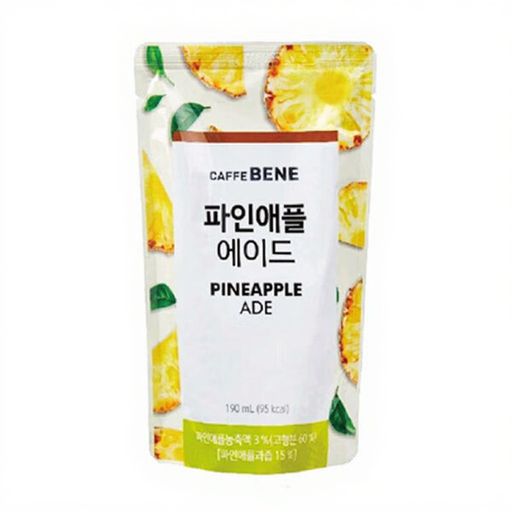
Why This Suits Them: The compact pouch is ideal for trying a tropical flavour for the first time or taking it along to a picnic, school or a day out.
The 190 ml serving helps minimise waste if you are not yet sure whether pineapple drink is right for you. Do check the current sugar information on the packaging before buying.
Convenient format; according to the product information, free from the 14 major EU allergens.

Why This Suits Them: Ideal for anyone looking for a pronounced, tangy passion fruit drink to enjoy at home, with a meal or chilled straight from the can.
The stated fruit percentage and nutritional values offer more useful guidance than tropical packaging or the flavour name alone.
According to the product information, 30% natural passion fruit juice; 17 kcal per 100 ml; box of 12 cans.

Why This Suits Them: A multipack is a good fit for households that regularly enjoy chilled coconut water or coconut drinks and want a vegan option.
The product description explicitly states that it contains coconut water, 2% real coconut pieces and no added sugar. Compare this with coconut drinks that contain sugar or syrup.
According to the product information, vegan and gluten-free; 12 cans of 330 ml; ready to enjoy chilled.
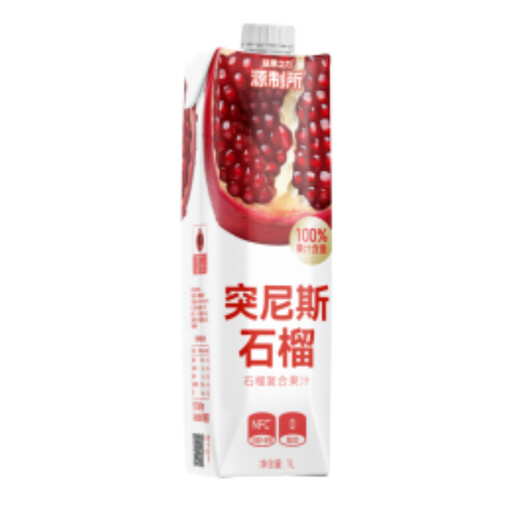
Why This Suits Them: The one-litre format is practical for sharing with a meal or whenever individual cans are less convenient.
The ingredients list and total fruit content are provided, allowing you to compare a mixed Asian fruit drink with single-fruit flavours.
According to the product information, 100% total fruit juice; 32 kcal per 100 ml; one-litre volume.
Browse our current range of vegetarian juice drinks and compare flavour, volume, ingredients and nutritional values before placing your order.
It varies by product. According to the stated product information, Wicky Mango and several Iam Superjuice drinks contain no added sugar. Wicky lists less than 0.1 grams of sugar per 100 ml, while Iam Superjuice products list between 16 and 18 kcal per 100 ml. Always check the current label, especially when sweeteners are used.
No. Coconut water is the liquid found inside a coconut, whereas a coconut drink may also contain water, coconut extract, sugar, syrup or coconut flesh. For example, according to the product information, Foco Roasted Coconut Juice contains 80% roasted coconut water, water, coconut flesh and sugar. Compare the ingredients list rather than relying solely on the product name.
Follow the instructions on the packaging. In most cases, an opened fruit drink should be refrigerated and consumed within the stated period. If indicated, gently shake a juice drink before opening, and always check that cans or pouches are undamaged.
