
Vandaag of morgen in huis

Kwaliteit gegarandeerd

Welkomstaanbiedingen ontgrendelen: GRATIS bezorging | Tot 80% korting | Gratis 30 dagen JoyPlus-proefperiode
Download de app
A tropical fruit drink can be a refreshing addition to a meal, on the go, or during a cosy evening with friends. Yet many products look alike, while the differences in fruit juice percentage, sugar, calories and packaging can be significant. A colourful label doesn't always tell you how much fruit is actually in the drink.
So pay particular attention to these three common pitfalls:
The percentage of juice or purée gives a clearer picture than words like “exotic”, “rich” or “refreshing”. A product with 30% natural passion fruit juice, such as the Iam Superjuice Passionfruit Drink, has a completely different composition to a fruit-flavoured fizzy drink that mainly contains carbonated water, sugar and flavourings.
Also note the difference between:
If you’re after a distinctive flavour, you could choose a passion fruit drink, mango drink, lychee drink or guava drink. Always check the ingredients list and juice percentage on a tropical fruit juice.
Don’t just look at the front of the packaging. The nutrition label shows energy and sugars per 100 ml, which makes comparison much easier.
A fruit drink with no added sugar might, for example, be sweetened with steviol glycosides or other sweeteners. “No added sugar” doesn’t mean the product isn’t sweet. The Iam Superjuice variants in mango, passion fruit, pink guava and lychee state no added sugar and, according to the product information, contain around 15 to 17 kcal per 100 ml. Always check the exact nutritional values and ingredients on the packaging.
Other drinks do contain sugar. Maaza Mango, for instance, lists 46 kcal and 10.8 g of sugar per 100 ml. Jarritos Mango is a carbonated mango drink with sugar. That might suit you if you’re after a classic, sweet soft drink flavour, but it’s less suitable if you’re watching your sugar or calorie intake.
The size determines how practical the drink is for your situation:
Once opened, a drink usually needs to be kept refrigerated and used within the time stated on the packaging. Store unopened products according to the instructions, away from direct sunlight and out of extreme heat or frost.
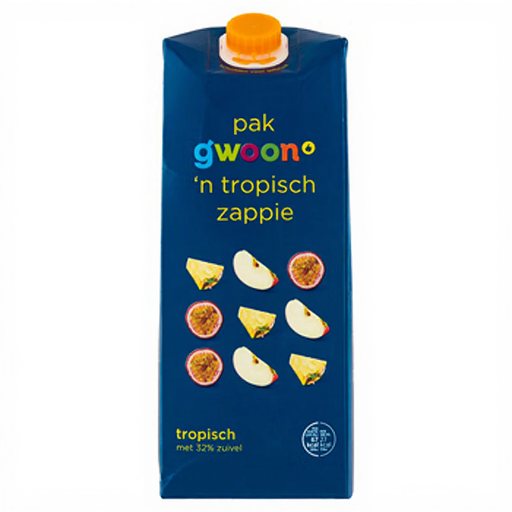
Why this fits the profile: The 1-litre format is straightforward for everyday home use and doesn’t need to be bought separately for each person.
The ingredients list makes it clear that the product contains milk constituents and that sugar and sweeteners have been used. This means you won’t accidentally buy a dairy-free or sugar-free drink.
1 litre content; tropical flavour with apple, pineapple and passion fruit components; nutritional information stated per 100 ml.

Why this fits the profile: The combination of a clearly stated fruit juice percentage and individual cans suits those who want to compare flavour and product specifications side by side.
The product information states 30% natural passion fruit juice, no added sugar and 17 kcal per 100 ml. This makes the key buying criteria immediately verifiable.
30% passion fruit juice; 12 cans of 330 ml; according to the product information, suitable for serving chilled.

Why this fits the profile: A box of 12 cans is practical for stocking up, sports bags, workplaces or households where a serving is drunk regularly.
The product information states 100% coconut water, 2% real coconut pieces and no added sugar. This prevents confusion with coconut drinks that mainly contain water, sugar or syrup.
12 × 330 ml; coconut pieces for extra texture; according to the product information, vegan, gluten-free and with no stated allergens.
We’ve put together a full, up-to-date list of products that fully meet these strict selection criteria and comply with current European safety regulations.
That varies by brand and flavour. In the product information provided, Iam Superjuice Lychee has 15 kcal per 100 ml, Pink Guava has 16 kcal, and Passionfruit and Mango have 17 kcal per 100 ml. Always check the current packaging, as recipes and nutritional values can change.
No. Fruit naturally contains sugars, and some products use sweeteners for flavour. So look at both the ingredients list and the “of which sugars” line in the nutrition table. This shows you the difference between a fruit drink with no added sugar and a product that actually contains little sugar.
Store an opened bottle or carton in the fridge and follow the time stated on the label. Seal the packaging tightly. Cans of 330 ml are practical because you usually open just one serving; a litre carton can be better value, but requires more attention to chilled storage and timely use once opened.
