
Vandaag of morgen in huis

Kwaliteit gegarandeerd

Welkomstaanbiedingen ontgrendelen: GRATIS bezorging | Tot 80% korting | Gratis 30 dagen JoyPlus-proefperiode
Download de app
A tropical fruit drink is perfect for lunch, a barbecue, a party or a chilled moment on the go. Yet many packs look very similar. One drink is mostly water and flavourings, while another clearly states its fruit content. Terms like “no added sugar”, “with vitamin C” and “natural flavour” can also cause confusion.
This buying guide helps you compare tropical fruit juice, mango drink, guava drink and passion fruit drink based on verifiable information. That way, you won’t end up paying for a flashy label or an oversized pack alone.
A fruit drink with no added sugar can still contain naturally occurring sugars. Sweeteners such as sucralose, acesulfame-K or steviol glycosides may also be used to make the taste sweet. So always check:
For example, Iam Superjuice Passionfruit contains 17 kcal per 100 ml and no added sugar, according to the product information. Iam Superjuice Pink Guava states 16 kcal per 100 ml. These are concrete product details, but they don’t automatically tell you anything about your overall diet.
“Mango”, “guava” or “passion fruit” on the front doesn’t mean the drink is mostly made from that fruit. Look at the ingredients in descending order. Maaza Guava Drink 330 ml, for instance, contains 16% guava juice from concentrate. The 1-litre pack of MAAZA Guava contains 18% guava puree, according to the product information.
DubbelDrank Pineapple Guava Apple Juice states a minimum of 40% fruit content. The ingredients include 14% pineapple, 13% orange and 4% guava, among others. So the flavour profile is a fruit blend, not a drink made solely from pineapple and guava.
A 1-litre or 1.5-litre fruit drink is handy for families, but once opened, the pack must be kept chilled and used within the time stated on the label. For one person, cans or small bottles can be more practical. When buying online, pay attention to:
A tray of 12 cans of 330 ml contains 3.96 litres in total. That’s convenient for stocking up or for guests, but less suitable if you have limited chilled storage space.
Don’t just compare the product name; look at the fruit percentage and the order of ingredients. A mango drink may also contain apple, pineapple or orange juice. That affects the flavour and sweetness.
Examples from the range:
Also watch out for allergens. Taksi and some DubbelFrisss and Zappie products contain milk constituents. So a fruit drink isn’t automatically free from milk or other ingredients you may wish to avoid.
Use the nutrition table to compare products fairly. Ideally, look at the same amount: per 100 ml. In the product information provided, the values vary widely:
“With vitamin C” is also a label claim, not a reason to skip other information. According to the product information, Taksi Tropical Fruit contains 17 mg of vitamin C per 100 ml. DubbelDrank Pineapple Guava Apple states 14 mg of vitamin C per 100 ml. Always check the pack for the most up-to-date values.
For chilled drinking at home, 1-litre cartons and bottles are convenient. For a family or party, 1.5 litres may be a better fit. Small packs and tropical drink cans are practical for work, school or on the go.
Pay attention to the can size. Iam Superjuice comes in packs of 12 × 330 ml. Taksi Tropical Fruit Drink is available in a 300 ml bottle. Wicky Mango Fruit Drink is sold as 6 × 200 ml and contains less than 0.1 grams of sugar per 100 ml, with added vitamin C and sweeteners, according to the product information.

Why this fits: The individual cans are suitable for home, the office or on the go. The passion fruit flavour appeals to anyone looking for a distinctive tropical profile.
The fruit content of 30% and the nutritional value of 17 kcal per 100 ml are stated in the product information. “No added sugar” is not presented as “sugar-free”.
30% natural passion fruit, 12 cans of 330 ml and suitable for drinking chilled.
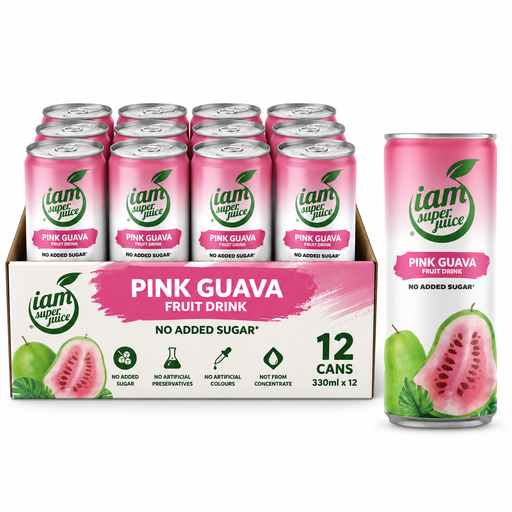
Why this fits: A tray of 330 ml portions is handy when you want to stock up on tropical fruit drink to share or take chilled with you.
The product information states 30% pink guava juice, no added sugar and 16 kcal per 100 ml. This allows you to compare the claims against the nutritional values.
Clear portion size, 12 cans and a mild, fruity guava profile.
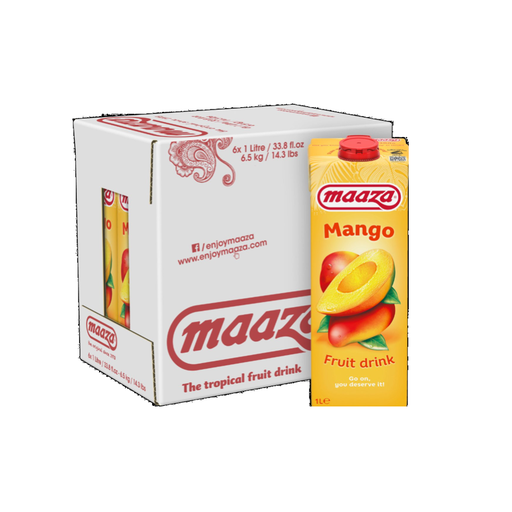
Why this fits: Six 1-litre cartons are practical for family meals, visitors or keeping a steady supply at home.
The pack is large, but the product information states the mango content of 17% and approximately 46 kcal per 100 ml. This keeps the choice based on content and composition.
1-litre pack, real mango puree according to the product description and suitable for sharing.
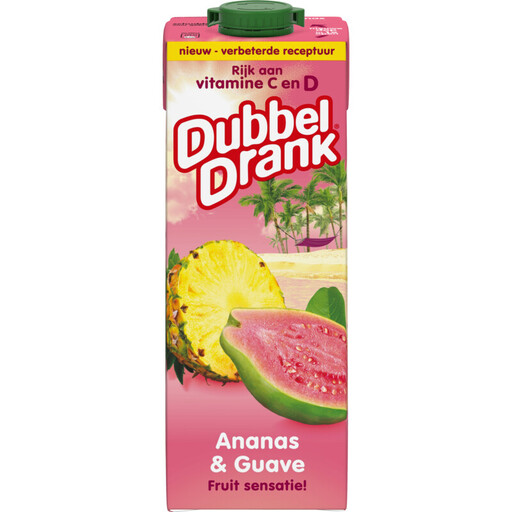
Why this fits: This combination is suitable if you want to compare pineapple drink and guava drink in one fruit blend.
The fruit blend and the stated minimum fruit content of 40% make it clear this is not a pure guava drink. The ingredients list also mentions orange and apple.
Minimum 40% fruit according to the product information and added vitamins C and D according to the label.
Browse a current selection of tropical fruit drinks and compare flavour, fruit content, volume and nutritional values before you order online.
Almost all the products mentioned are best enjoyed chilled, according to the product information. Small 330 ml cans are handy for a single serving. A 1-litre or 1.5-litre pack is better suited to a meal or family occasion. Store opened cartons and bottles in the fridge and follow the time stated on the label.
No. “No added sugar” means no extra sugar has been added to the recipe. The drink may still contain natural sugars from fruit or milk constituents. Some products also use sweeteners. So always check the “of which sugars” line and the ingredients list per 100 ml.
Choose a 1-litre pack for daily use with several people. A 1.5-litre bottle is suitable for a meal or party. Tropical drink cans are ideal for portion control, on the go and stocking up without opening a large bottle. When buying online, compare the total litres and the price per litre, not just the price of one pack.
