
Vandaag of morgen in huis

Kwaliteit gegarandeerd

Welkomstaanbiedingen ontgrendelen: GRATIS bezorging | Tot 80% korting | Gratis 30 dagen JoyPlus-proefperiode
Download de app
A tropical fruit drink can be a simple way to bring mango, passion fruit, guava or other international flavours into your home. Yet many packs look alike. One drink is a fruit juice, another is a fizzy drink with flavourings, milk ingredients or sweeteners. Terms like “no added sugar” also don’t tell the whole story.
If you’re buying a tropical fruit drink online, it’s worth looking beyond the picture and the flavour name. Pay close attention to the ingredients, nutritional values, volume and packaging. That way, you can avoid buying a large pack that turns out to be less suitable for daily use, a party or on the go.
“Mango”, “passion fruit” or “tropical” on the front doesn’t automatically mean there’s a lot of fruit juice inside. Check the fruit percentage in the product information. According to the product description, the Iam Superjuice Passionfruit Drink contains 30% natural passion fruit juice. With other drinks, the fruit percentage may be lower and the flavour may come mainly from flavourings.
A drink with little fruit juice isn’t necessarily a bad thing, but it does set a different expectation. If you’re after a pronounced fruit flavour, it’s better to compare the juice percentage.
A fruit drink with no added sugar may still contain naturally occurring sugars from fruit. Some products also use sweeteners. So always check:
According to the product information, the Iam Superjuice Mango Drink is made with 30% mango juice and contains no added sugar; steviol glycosides are listed as a sweetener. The product description states 17 kcal per 100 ml. That’s verifiable information about the composition, not a general statement about its suitability for any particular diet.
A tray of cans is handy for a party or the store cupboard, while a 1 or 1.5 litre bottle may be better suited to a family meal. Don’t just compare the total price – also compare the price per litre and the amount you’re likely to use.
Also pay attention to the storage instructions. An opened bottle often needs to be kept refrigerated and drunk within the stated period. A can or pouch is easier per portion, but produces more packaging per litre.
First, distinguish between:
A drink like Taksi Tropical Fruit Juice contains milk ingredients and fruit concentrate, according to the product information. That makes this option different from a clear mango drink or an exotic fizzy drink. Check for allergens such as milk if you’re buying the drink for several people.
Use the per 100 ml table to compare products fairly. A 1.5 litre bottle may show a low figure per 100 ml, but could still contain a lot of sugar if the entire contents are drunk. Also look at the difference between “no added sugar”, “zero sugar” and “no sweeteners”.
For Fernandes Green Punch and Fernandes Cherry Bouquet, the product information states, for example, 42 kcal and 10.2 grams of sugar per 100 ml. These drinks contain carbonation, sugar and sweeteners. Fanta Exotic No Sugar, on the other hand, is intended as a sugar-free variant, but check the current ingredients list and nutritional values on the packaging before buying.
For on the go, packs of around 200 to 330 ml are practical. For home or a party, a bottle or multipack may make more sense. A nata de coco drink also offers a different drinking experience: the pieces of coconut jelly add extra texture.
According to the product information, Tropical Nata de Coco Mango contains 22% nata de coco, 5% mango juice from concentrate and 22 kcal per 100 ml. That makes it an option for anyone looking not just for a fruit flavour, but also texture.

Why this fits the profile: The tray of 12 cans of 330 ml is straightforward for anyone wanting to try different tropical flavours while also building up a stock for home or on the go.
The fruit percentage and nutritional value are clearly stated: 30% passion fruit juice and, according to the product information, 17 kcal per 100 ml.
No added sugar according to the product information, 330ml cans and a sweet-sour passion fruit flavour. Made in Vietnam.
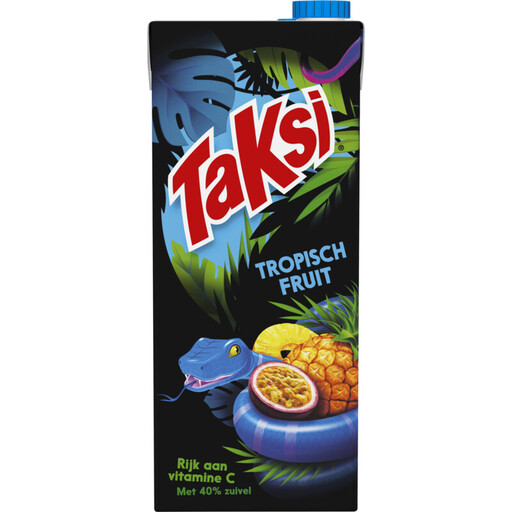
Why this fits the profile: The 1.5 litre bottle is suitable for meals and occasions where several glasses are being poured.
The product information states the drink type, fruit concentrate, milk ingredients and nutritional values. This means you can check the composition in advance.
Blend of apple, pineapple and passion fruit; according to the product information, 34 kcal and 7.9 grams of sugar per 100 ml. Contains milk.
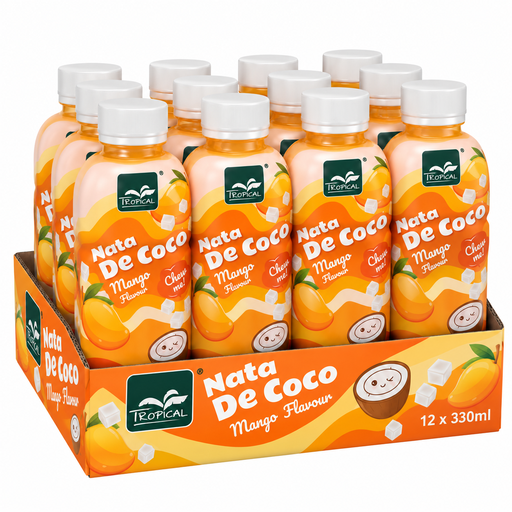
Why this fits the profile: This Asian drink is designed for those who want to serve a mango drink with extra bite and a different texture at parties or with meals.
The product description separately states the proportion of nata de coco, mango juice and sugar. This means you know it’s not a regular clear fruit drink.
12 packs of 330 ml, 22% nata de coco and, according to the product information, 22 kcal per 100 ml.
We’ve put together a full, up-to-date list of products that fully meet these strict selection criteria and comply with current European safety regulations.
Fruit juice consists of juice from fruit, possibly from concentrate. A fruit drink may also contain water, sugar, sweeteners, flavourings or other ingredients. So check the fruit percentage and the ingredients list rather than just the product name.
For a party, multipacks of cans are handy because you can serve chilled portions without having to re-store an opened bottle. A carbonated soft drink like Fernandes may suit fans of fizz. For a striking Asian option, you could consider a nata de coco drink.
Always follow the label. Many opened bottles need to be kept refrigerated and consumed within the stated period. Unopened packs should generally be stored in a cool, dry place away from direct sunlight. When ordering online, also check the best-before information on the packaging you receive.
