
Vandaag of morgen in huis

Kwaliteit gegarandeerd

Welkomstaanbiedingen ontgrendelen: GRATIS bezorging | Tot 80% korting | Gratis 30 dagen JoyPlus-proefperiode
Download de app
Buying a tropical fruit drink seems straightforward – until you’re faced with a shelf or online selection of mango, guava, lychee, passion fruit and coconut water. Products may share the same exotic look, but they can differ significantly in fruit content, sugar level, calories, packaging and allergens.
If you only look at the front of a can or bottle, you might end up paying for a large pack with little fruit, or choose a flavour that barely gets drunk at home. With this practical approach, you can compare a tropical fruit drink using verifiable information and find an option that suits your household.
A fruit drink with no added sugar isn’t automatically sugar-free. Fruit naturally contains sugars. Always check the nutritional information per 100 ml and also look at the total volume of the pack.
Some drinks with no added sugar use a sweetener instead. This can reduce the sugar and energy content, but the taste will differ from a regular product. So don’t judge a sugar-free or low-calorie fruit drink solely on the marketing claims.
A multipack of 6 bottles of 1 litre is practical for a family, but once opened, the drink must be kept refrigerated and used within the stated period, according to the product information. A box of 330 ml cans is more convenient for individual use, on the go, or for a party.
So compare the price per litre, not just the price of the pack. A fruit drink offer might look appealing, but it could be less of a bargain if the fruit content is low or if some of the pack goes unused.
Check the ingredients list and the stated proportion of juice, purée or concentrate. For example, MAAZA Guava Drink contains 17% guava juice from concentrate according to the product information, while Maaza Guava Fruit Drink 330 ml states 16% guava juice from concentrate. Iam Superjuice Mango mentions 30% mango juice.
A higher fruit content doesn’t tell you everything about personal taste, but it does help you compare different products more fairly. Also look out for milk ingredients. Taksi Tropical Fruit Juice and Taksi Exotic Fruit Juice are described as fruit and dairy-based drinks and contain milk, according to the product information.
First, choose the fruit flavour that suits the occasion:
When trying a new fruit, always check the pack size. A box of twelve cans is handy for sharing, but less suitable if you want to try the flavour first.
Use the nutritional information table as your standard basis for comparison. Some stated values per 100 ml:
So the term “no added sugar” does not mean there are no carbohydrates or sugars present. Also check whether sweeteners, sugar or glucose-fructose syrup appear in the ingredients list.
For home use, a 1.5 litre bottle can be practical. For work, school or on the go, 230 or 330 ml cans are usually easier to portion. When buying multipacks, pay attention to the total volume:
Store unopened drinks according to the label, usually in a cool place away from direct sunlight. Once opened, many products need to be kept refrigerated. Also check for allergens. Taksi and DubbelFrisss products mention milk; coconut and guava drinks in this selection do not list any of the 14 major EU allergens, but always check the packaging at the time of purchase.
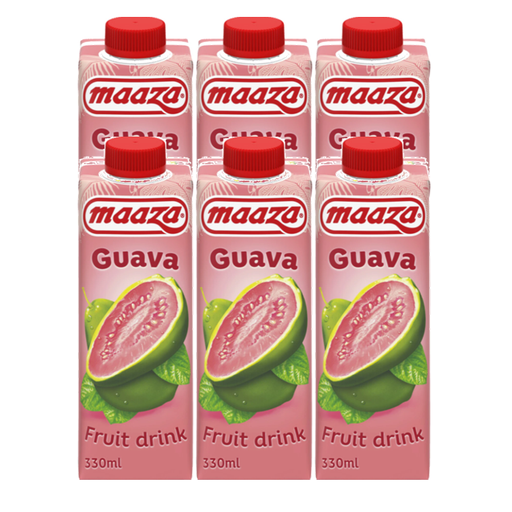
Why this fits the profile: Six 330 ml cans offer a manageable introduction to guava without committing to a large six-litre stock.
The fruit content and nutritional information are stated in the product details, so you don’t have to rely solely on the tropical packaging.
16% guava juice from concentrate according to the product information, six cans and a 330 ml serving size.

Why this fits the profile: The combination of 30% mango juice, 330 ml cans and a tray of twelve suits those who buy based on ingredients and stock levels.
The product information states both the juice percentage and 17 kcal per 100 ml. This lets you compare the sweetness claim against concrete data.
30% mango juice, no added sugar according to the product description and 3.96 litres total volume.

Why this fits the profile: The individual cans are easy to take with you, and the box is suitable for regular use at home, at work or for a gathering.
The product information states 100% coconut water and 2% real coconut pieces. Do check the label if you want to compare sugar or energy specifically.
12 portions of 330 ml, no added sugar according to the product description and with coconut pieces.
We’ve put together a full, up-to-date list of products that fully meet these strict selection criteria and comply with current European safety regulations.
That depends on the brand and flavour. Among the product information listed, Iam Superjuice Lychee has 15 kcal per 100 ml, Pink Guava has 16 kcal and Mango has 17 kcal. Taksi Tropical Fruit with no added sugar states 11 kcal per 100 ml. Always check the current packaging, as recipes can change.
No. “No added sugar” means that no extra sugar has been added to the recipe, according to the product information. Natural sugars from fruit may still be present. So look at the of which sugars line in the nutritional information table and check whether sweeteners have been used.
Follow the instructions on the label. Many bottles and cartons need to be kept refrigerated after opening and consumed within the stated period. Cans of 230 or 330 ml help reduce waste when you’re not sharing the drink with several people.
