
Vandaag of morgen in huis

Kwaliteit gegarandeerd

Welkomstaanbiedingen ontgrendelen: GRATIS bezorging | Tot 80% korting | Gratis 30 dagen JoyPlus-proefperiode
Download de app
Ordering a tropical fruit drink might seem straightforward – until you start comparing ingredients, nutritional values and pack sizes side by side. A mango drink, for example, may contain only a small percentage of mango, while another variant lists 30% fruit juice. What’s more, terms like “no added sugar” and “sugar-free” don’t always mean the same thing.
For British shoppers, there are three key pitfalls to watch out for:
Ingredients are listed in descending order. If water comes first, the product is essentially a flavoured fruit drink. The stated fruit percentage helps you compare different options more fairly.
According to the product descriptions, the Iam Superjuice variants contain 30% natural fruit juice, for example. This applies to the lychee drink, mango drink, passion fruit drink and pink guava. Maaza Guava lists 16% guava juice from concentrate. Sagiko Mango Juice contains mango purée, but the product information also lists sugar, fructose, flavourings and thickeners.
A higher fruit percentage doesn’t automatically mean you’ll prefer the taste, but it is a verifiable specification. When comparing a tropical fruit juice or exotic soft drink, this is a useful first point of comparison.
Always use the values per 100 ml, not just those per can. This way, you can compare a 190 ml can with a 320 ml bottle on the same basis.
Examples from the product specifications:
If you’re looking for a sugar-free fruit drink, you therefore need to check the ingredients too. “No added sugar” can go hand in hand with natural fruit sugars or sweeteners. A lower calorie count is a product specification, not a medical or health claim.
A 190 ml or 230 ml can is ideal for a single serving – for example, with lunch, a picnic or at a party table. A 320 ml or 330 ml can gives you a more generous portion. Multipacks are handy for families, hospitality, the office or stocking up your cupboard, but they do take up more space.
Also consider:
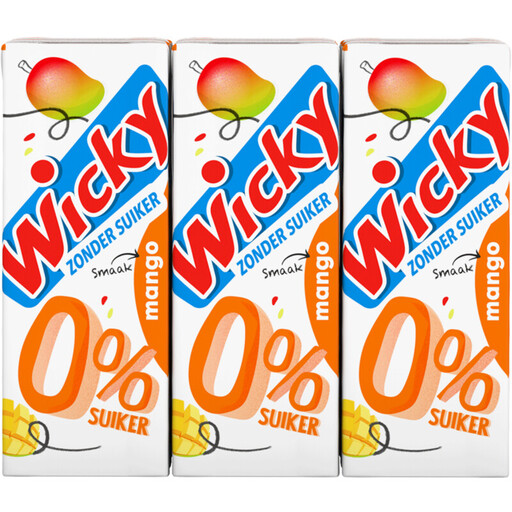
Why this fits the profile: The pack of six 200 ml portions is straightforward for families and for anyone who wants to try a mango drink in a smaller size first.
The product information states less than 0.1 grams of sugar and 1 kcal per 100 ml. Just be aware that you are choosing a drink with sweeteners.
Six small packs, mango flavour, added vitamin C and none of the 14 major EU allergens listed in the product information.
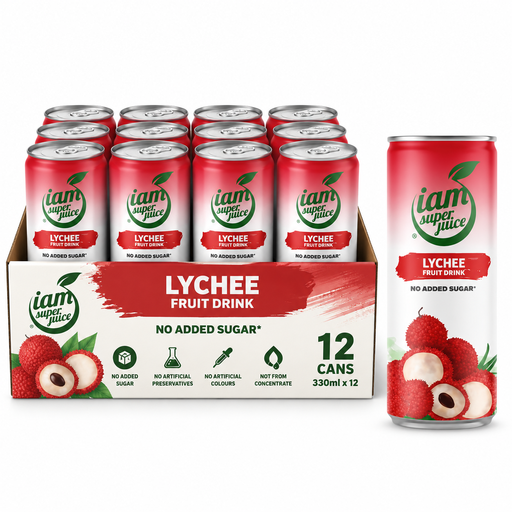
Why this fits the profile: This multipack is ideal for fans of a distinctive lychee drink who want to serve or stock up on cans regularly.
The description states 30% natural lychee juice and no added sugar. The nutritional value is given as 15 kcal per 100 ml.
Twelve 330 ml cans, 30% lychee juice according to the product description and suitable for serving chilled.

Why this fits the profile: A box of twelve cans is practical for hospitality, parties, the office or households that serve coconut water often.
The product description states 100% coconut water, 2% real coconut pieces and no added sugar. Check the label on arrival for the current composition.
Twelve 330 ml servings, coconut pieces for extra texture and a product description with no added sugar.
We’ve put together a full, up-to-date list of products that fully meet these strict selection criteria and comply with current European safety regulations.
This varies by product. Iam Superjuice has variants with lychee, mango, passion fruit, soursop, pink guava and coconut water where the product description states “no added sugar”. Wicky Mango is described as sugar-free, but does contain sweeteners. So check both the nutritional information table and the ingredients list.
No, not necessarily. Coconut water refers to the liquid from the coconut. A coconut drink may also contain sugar, syrup, water, coconut extract or other ingredients. For example, FOCO Roasted Coconut Juice states 80% roasted coconut water, water, coconut flesh and sugar. So compare the fruit or coconut percentage before you order.
Keep an opened tropical fruit drink refrigerated and consume it according to the instructions on the packaging. Unopened cans and bottles should generally be stored in a cool, dry place away from direct sunlight. For drinks with nata de coco, fruit pulp or coconut pieces, also check whether shaking or chilling is recommended on the label.
