
Vandaag of morgen in huis

Kwaliteit gegarandeerd

Welkomstaanbiedingen ontgrendelen: GRATIS bezorging | Tot 80% korting | Gratis 30 dagen JoyPlus-proefperiode
Download de app
Buying a tropical fruit drink seems simple: choose mango, guava, lychee or passion fruit, then add a multipack to your basket. Yet fruit drinks can vary considerably in fruit juice content, sugar levels, packaging and texture. An eye-catching label also does not always tell you how much fruit the drink actually contains.
If you are searching online for a tropical fruit drink, mango drink or Asian drink, it is worth recognising three common pitfalls first.
Words such as “tropical”, “fruity” and “natural” often describe the flavour experience more than the ingredients. Always check the ingredients list and nutritional information. A drink may contain fruit juice or fruit purée as well as sugar, syrup or sweeteners.
For example, according to the product information, MAAZA Guava Drink contains 17% guava juice from concentrate and sugar. It lists 46 kcal and 11 grams of sugar per 100 ml. This makes it different from a fruit drink with no added sugar.
A 1 or 1.5-litre pack is suitable for a family or a meal, but fruit drinks generally need to be refrigerated after opening and consumed within the stated period. For one person, cans of 330 ml fruit drink may be more convenient. They are individually portioned and suitable for work, travelling or keeping a small supply at home.
A large pack of fruit drink only makes sense if you use the contents regularly. Compare the total volume and the shelf life after opening, not just the price per pack.
A drink labelled “no added sugar” may still contain naturally occurring sugars from fruit. A product may also use sweeteners. Always check the full ingredients list. According to the product description, Iam Superjuice Mango contains 30% mango juice and steviol glycosides are listed as a sweetener. The claim “no added sugar” therefore does not mean that the drink has no sweet taste or carbohydrates.
The percentage of juice, purée or fruit content helps you compare products more objectively. Also note the difference between:
The statement “30% pink guava juice” on Iam Superjuice Pink Guava is more specific than a general tropical flavour description. The product information for Mela Watermelon Drink states that it contains 99% watermelon juice, but also cane sugar and natural flavourings. Always read the ingredients list alongside the percentage.
Compare nutritional values per 100 ml, as pack sizes vary. Some product examples include:
A lower energy value may be linked to sweeteners or a different recipe. This is not a quality assessment in itself; it simply helps you choose a drink that suits your preferences.
Choose a 1-litre bottle to share with a meal, or a tray of 12 cans if you want to divide drinks into individual portions in advance. Also check:
According to the product information, Taksi Tropical Fruit Juice contains milk ingredients and is therefore not suitable for everyone who wants to avoid milk. Mogu Mogu drinks contain nata de coco: soft coconut jelly that changes the texture. This may appeal to fans of a fun Asian drink, but be less practical if you are looking for a smooth fruit drink.
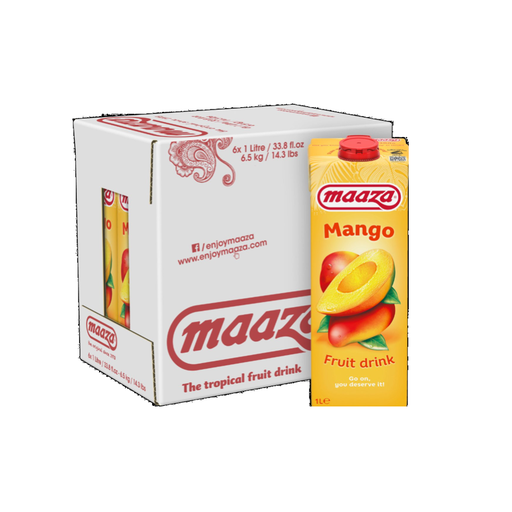
Why it suits this profile: The six 1-litre bottles are ideal for households that regularly serve mango drink with breakfast, lunch or a meal.
The product information states that it contains 17% mango purée, 46 kcal and 10.8 grams of sugar per 100 ml. This lets you assess the contents rather than relying solely on the flavour name.
6 x 1 litre; made with mango purée; according to the product information, no declarable allergens.

Why it suits this profile: The 330 ml cans provide a consistent portion and a distinctive passion fruit flavour for people who actively compare ingredients and nutritional values.
According to the product description, the drink contains 30% natural passion fruit and no added sugar. Always check the current label before buying.
12 x 330 ml; according to the product information, 17 kcal per 100 ml; ready to drink chilled.

Why it suits this profile: This multipack is practical for anyone who drinks coconut beverages regularly and wants small packs to take along or chill in advance.
The product description states that it contains 100% coconut water and 2% real coconut pieces, with no added sugar. The pieces do give it a different texture from standard coconut water.
12 x 330 ml; according to the product information, vegan and gluten-free; contains coconut pieces.
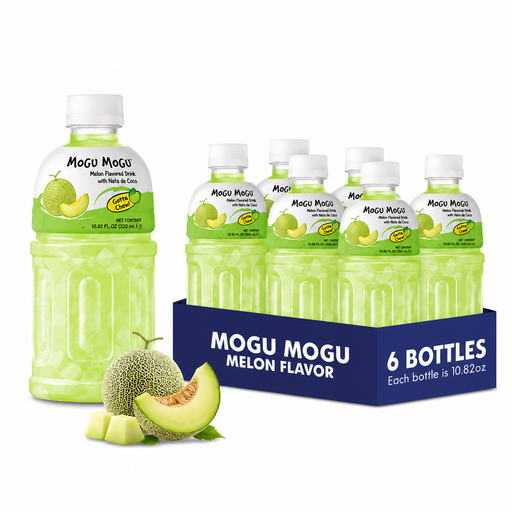
Why it suits this profile: The combination of melon flavour and nata de coco is ideal for consumers looking for more than a smooth fruit drink.
The product information states that it contains 15% nata de coco and 11 grams of sugar per 100 ml. This makes it clear in advance that it is a sweet drink with pieces.
6 x 320 ml; nata de coco for extra texture; according to the product information, 49 kcal per 100 ml.
We have compiled a complete, up-to-date list of products that fully meet these strict selection criteria and the applicable European safety regulations.
This varies by product. The product descriptions for Iam Superjuice Mango, Lychee, Passionfruit, Pink Guava and Mangosteen state “no added sugar”. Some varieties do contain sweeteners or naturally occurring fruit sugars. Always check the current label and nutritional information table before buying.
Not always. Coconut water generally refers to the liquid inside coconuts. A coconut drink may also contain sugar, coconut flesh, flavourings or other ingredients. According to the product information, Iam Superjuice Coconut Water is made with 100% coconut water and 2% coconut pieces, while Foco Roasted Coconut Juice contains, among other ingredients, roasted coconut water, water, coconut flesh and sugar.
Follow the instructions on the packaging. Many fruit drinks need to be refrigerated after opening and consumed within the stated period. Shake the product if the label instructs you to do so, and check that the seal is intact before use. This is particularly important for large bottles that will not be finished in one go.
