
Vandaag of morgen in huis

Kwaliteit gegarandeerd

Welkomstaanbiedingen ontgrendelen: GRATIS bezorging | Tot 80% korting | Gratis 30 dagen JoyPlus-proefperiode
Download de app
Choosing a tropical fruit drink sounds simple: pick mango, guava or passion fruit and chill the bottle. Yet fruit drinks can vary considerably in fruit content, sugar levels, serving size, ingredients and packaging. Eye-catching packaging does not always tell you how much fruit is actually inside.
If you buy a tropical fruit drink without comparing products, you are most likely to encounter these pitfalls:
Start by checking the ingredients list. Ingredients are listed in descending order by weight. If water comes first, the product is a water-based drink. This may be followed by guava purée, mango purée or fruit juice from concentrate, for example.
A guava drink may have a soft, aromatic flavour, while mango generally tastes fuller and sweeter. Passion fruit often provides a fresher, slightly tart impression. Guanabana, also known as soursop, has a milder tropical flavour profile. However, the name alone does not tell you how much of that fruit is in the drink.
In blended products, the proportion of each fruit may be limited. DubbelDrank Mango Guanabana, for example, lists apple, mango, orange and guanabana in its ingredients. This makes it a mixed fruit drink rather than a drink made solely with mango or guanabana.
Always compare the nutritional values per 100 ml. This prevents a small serving from appearing more favourable than a 1-litre bottle.
As a guide based on the available product information:
A fruit drink with no added sugar can therefore still contain naturally occurring fruit sugars. Do not treat “sugar-free” or “without sugar” as a synonym for low-calorie. Where online information is incomplete, it is best to check the physical label.
For families and meals, a 1- or 1.5-litre bottle is practical. Once opened, the drink will usually need to be refrigerated and consumed within the period stated on the packaging. Shake a drink containing purée or sediment before use if the label advises this.
330 ml cans are handy for a packed lunch, picnic or party. A multipack avoids the need to buy individual cans, but it does require sufficient storage space. A small bottle or can is also suitable if you want to try a new flavour first.
Also pay attention to allergens. According to the product information, Taksi contains milk. Ingredients and allergen information for nata de coco drinks may vary between packs. Always check the current packaging before consumption.
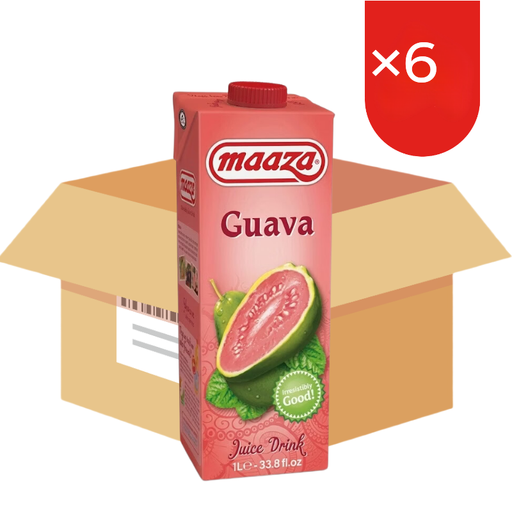
Why it suits this profile: The box of six 1-litre bottles is ideal for households that regularly drink guava juice with breakfast, lunch or a meal.
The fruit content and nutritional values are clearly stated: 17% guava juice from concentrate, 46 kcal and 11 g of sugar per 100 ml. This means you can check what is inside rather than relying solely on the tropical-looking packaging.
Six 1-litre bottles; no declarable allergens according to the product information; refrigerate after opening.
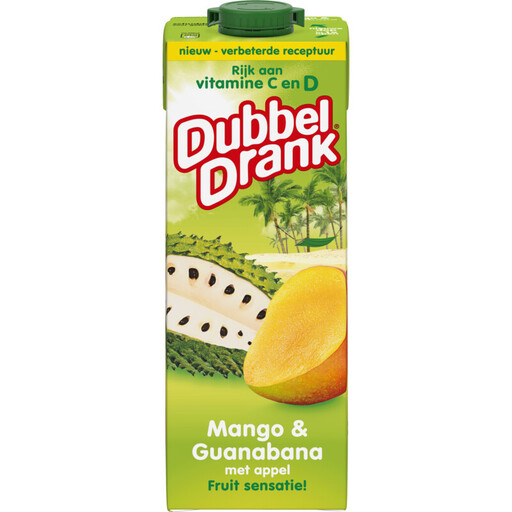
Why it suits this profile: A 1-litre carton with layered mango and guanabana flavours is ideal for entertaining and for consumers keen to try a blended Asian fruit drink.
The product information states a minimum fruit content of 40% and lists mango and guanabana separately. This makes it easier to distinguish between a fruit drink and pure juice.
47 kcal and 10.9 g of sugar per 100 ml according to the product details; added vitamin C and D according to the manufacturer.
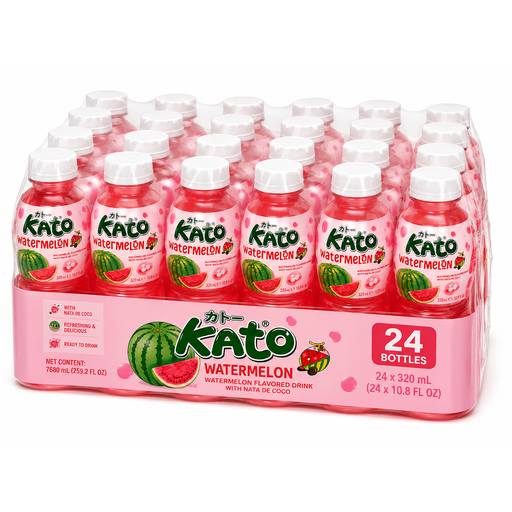
Why it suits this profile: The 320 ml servings are ideal for parties, Asian meals and anyone who enjoys a drink with a soft, chewy texture.
The packaging states that it contains 25% watermelon juice and 15% nata de coco. This tells you that texture is an important part of the drinking experience, not just the flavour.
24 bottles per box; 24 kcal per 100 ml according to the product information; serve chilled.

Why it suits this profile: The individual cans are easy to take to work, on the go or to a gathering where several flavours are wanted.
The product description states that it contains 30% passion fruit juice and 17 kcal per 100 ml. It also explicitly says that no sugar has been added. Check the current nutritional values on the can.
12 x 330 ml cans; intensely sweet-and-sour passion fruit flavour according to the product description; contains vitamin C according to the manufacturer.
We have put together a complete, up-to-date list of products that fully meet these strict selection criteria and the applicable European safety regulations.
Fruit juice consists of juice from fruit, which may be made from concentrate. A fruit drink may also contain water, sugar, sweeteners, flavourings and a lower percentage of fruit. Read the ingredients list and check the stated percentage of juice or purée.
This varies by brand and recipe. The available product information lists 17 kcal per 100 ml for Iam Superjuice Mango and Passionfruit. Iam Superjuice Soursop lists 18 kcal per 100 ml, while Jardin Cafe Real Watermelon Ade contains approximately 24 kcal. Always check the current label, as recipes may change.
Most opened bottles should be refrigerated and consumed within the period stated on the packaging. Seal the bottle tightly and, if in doubt, follow the shortest stated storage period. Small cans are practical if you do not want to store an opened 1-litre bottle.
