
Vandaag of morgen in huis

Kwaliteit gegarandeerd

Welkomstaanbiedingen ontgrendelen: GRATIS bezorging | Tot 80% korting | Gratis 30 dagen JoyPlus-proefperiode
Download de app
Buying a tropical fruit drink online seems simple until you start comparing the labels. One product may be labelled fruit juice, even though it contains only a small percentage of juice. Another drink may say “no added sugar”, but still contain naturally occurring sugars or sweeteners. The size can be misleading too: a multipack may look like good value, but it does not always suit how much you consume.
With these practical selection criteria, you can compare tropical fruit juice, mango drink, passion fruit drink, lychee drink, guava drink and coconut water based on verifiable product information.
A product with no added sugar can still contain sugars from fruit. For example, Iam Superjuice Passionfruit lists 17 kcal per 100 ml and, according to the product information, contains no added sugar. That does not automatically mean the drink has no sweet taste or is completely sugar-free.
So always check:
Compare products per 100 ml, not just per pack. After all, a 330 ml can contains more than three times as much drink as 100 ml.
The name does not always indicate how much fruit the product contains. A fruit drink may contain water, sugar, flavourings, milk ingredients or juice from concentrate. For example, G’woon Zappie Tropical lists fruit concentrates and milk permeate in its ingredients. Taksi Tropical Fruit is also based on fruit concentrate and dairy ingredients.
If you are looking for tropical fruit juice, it is worth checking the ingredients list and juice percentage. DIMES Nar Suyu, for example, lists water and pomegranate juice from concentrate. This is a different product composition from a soft drink with a fruit flavour.
A fruit drink multipack is convenient for families, offices, hospitality and catering, but only if you will use the stock in good time. Consider:
Twelve 330 ml cans are practical for individual servings. A box containing twelve 1-litre cartons is better suited to sharing or cooking, but once opened the product will generally need to be stored in the fridge.
The fruit percentage provides a useful first indication of the product’s composition, but it does not tell you everything about the flavour or texture. Iam Superjuice Mango lists 30% mango juice, while Iam Superjuice Pink Guava contains 30% pink guava juice. The passion fruit and lychee drinks from the same brand also list 30% natural fruit juice.
Also look at the order of the ingredients. Ingredients are generally listed by weight, from highest to lowest. If water appears first and sugar or sweetener further down the list, you know the product is not pure juice. For a mango drink, passion fruit drink or guava drink, the difference between juice, purée, concentrate and flavouring is also relevant.
Use the nutrition table as a consistent basis for comparison. Some values from the product information include:
These figures make it clear that an exotic soft drink and a fruit drink with no added sugar can differ considerably. Also check whether a product contains milk or uses sweeteners. “No added sugar” does not necessarily mean “no sweeteners”.
A fruit drink in a can containing 330 ml is suitable as a fixed serving and does not need to be resealed after opening. Capri-Sun packs of 200 ml are designed for small portions and for taking with you. A 1.5-litre carton, such as G’woon Zappie Orange, is better suited to breakfast, a picnic or use in the office.
For drinking on its own, a chilled can or carton is convenient. For smoothies, cocktails, desserts and recipes, coconut water in a 1-litre pack may be more practical. Do check the ingredients when choosing coconut water: Double Panda lists coconut water with cane sugar, while Vietcoco lists 99% coconut water, less than 1% fructose and vitamin C. The information on the packaging remains the definitive guide.
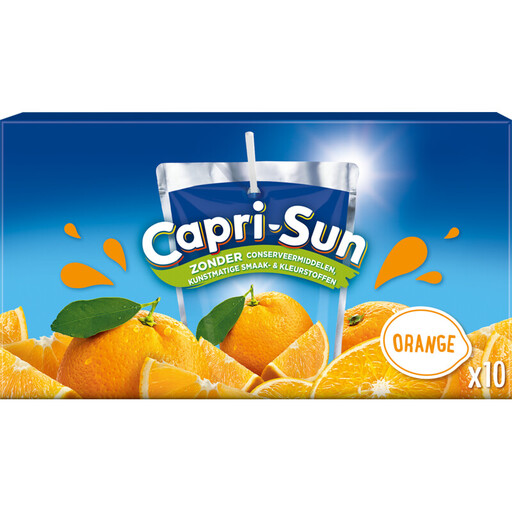
Why it suits this profile: The 200 ml single-serving packs are practical for days out, school or families who need several small drinks.
The volume per pack is clearly stated. The product information specifies 10 × 200 ml and 19 kcal per 100 ml; however, compare the sugar and sweetener content with your own preferences.
10 individual servings, 200 ml each, containing fruit juice and mineral water according to the product description.

Why it suits this profile: Ideal for fans of a bold tropical flavour who want a supply of individual cans for home or the office.
The description states 30% natural passion fruit juice, no added sugar and 17 kcal per 100 ml. Check the current packaging for the complete ingredients list.
12 cans of 330 ml, with a sweet and tangy passion fruit flavour, best served chilled.
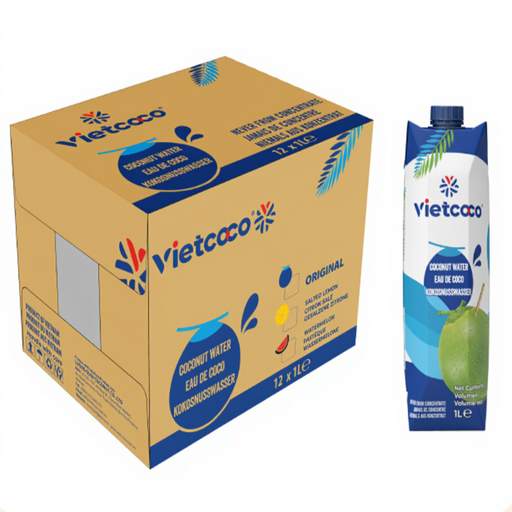
Why it suits this profile: A sensible choice for households, offices, hospitality and catering businesses that use a large number of 1-litre packs.
The product contains 99% coconut water and less than 1% fructose. This makes its composition clearer than drinks described primarily as having a coconut water flavour.
12 × 1 litre, 22 kcal per 100 ml, and suitable for drinking chilled or using in recipes.
Your choice of flavour often matters more than the packaging. Mango drink is generally smooth and fruity, while passion fruit delivers a distinct sweet and tangy taste. Lychee has a lightly floral flavour profile. Guava is fruity and aromatic. Soursop, also known as guanabana, has a softer tropical flavour.
If you prefer fizzy drinks, Jarritos Passion Fruit may be an appealing exotic soft drink. The product information states 25 grams of sugar per 100 ml and 100 kcal per 100 ml. That is a clear reason to assess this drink differently from a low-calorie fruit drink with no added sugar.
For products containing milk ingredients, such as some Zappie and Taksi drinks, check the allergen information. A drink may have a tropical flavour, but still not suit every preference or diet.
We have put together a complete, up-to-date list of products that fully meet these strict selection criteria and the applicable European safety regulations.
No. Fruit juice may consist entirely of juice, while a fruit drink may also contain water, sugar, sweeteners, flavourings or other ingredients. Check the juice percentage and the ingredients list.
The product information identifies Iam Superjuice Mango, Passionfruit, Lychee, Soursop and Pink Guava, among others, as drinks with no added sugar. Always check the current label, as “no added sugar” is not the same as “sugar-free”.
That depends on the price per litre, the packaging and how much you will actually use. Divide the total price by the total volume. A 12-pack may be practical for a family or office, while individual packs can help prevent waste if you only drink them occasionally.
Store unopened drinks according to the label, usually in a cool, dry place away from direct sunlight. Once opened, a drink will generally need to be refrigerated and consumed within the stated period. Also check the use-by or best-before information on the packaging before drinking.
