
Vandaag of morgen in huis

Kwaliteit gegarandeerd

Welkomstaanbiedingen ontgrendelen: GRATIS bezorging | Tot 80% korting | Gratis 30 dagen JoyPlus-proefperiode
Download de app
A tropical fruit drink may seem easy to choose at first glance. However, products can differ considerably in fruit percentage, sugar content, serving size, packaging and storage advice. Colourful packaging reveals little about the ingredients. If you focus only on flavour or an offer, you could end up with a drink that is less suitable for everyday use.
In this buying guide, we compare different types of tropical fruit juice, fruit nectar, fruit syrup and Asian fruit drinks. This will help you make a more informed choice for home, on the go, with a meal or when you want to stock up.
The term no added sugar does not automatically mean that a drink contains no sugar. Fruit juice and fruit purée naturally contain sugars. Therefore, always check the nutrition table and look at the line for of which sugars per 100 ml.
For example, Iam Superjuice Passionfruit does not list any added sugar and, according to the product information, contains 17 kcal per 100 ml. This makes it a different choice from a sweetened passion fruit drink, but it is not the same as a completely sugar-free drink.
A percentage may refer to juice, purée or juice from concentrate. Apple or grape juice may also make up a large proportion of a tropical fruit drink, while mango, passion fruit or guava may only be present in a smaller amount.
So read the ingredients list from top to bottom. Ingredients are listed in descending order by quantity. With a guava drink containing 5% guava purée, you know that the tropical flavour is mainly supplemented with water, sugar, acidity regulator and flavouring.
A 1.5-litre bottle is practical for a family or a meal, but once opened it must be refrigerated and used within the period stated on the packaging. Small 330 ml cans are more convenient for drinking on the go and make portions easier to manage. Syrup can be more efficient if you want to prepare several litres, but you will need to mix it yourself.
First, choose the type of drink that matches your expectations:
According to the product information, FOCO Passion Fruit Juice contains at least 25% passion fruit juice. The drink also contains water, sugar, citric acid and vitamin C. This gives you a clearer picture than the name “passion fruit juice” alone.
Always compare products per 100 ml. A 330 ml serving may contain three times as many calories and as much sugar as the value shown on the label.
A regular fruit drink may contain around 10 to 12 grams of sugar per 100 ml, for example. According to the product description, Iam Superjuice Mango contains 17 kcal per 100 ml, no added sugar and is sweetened with steviol glycosides. Karvan Cevitam Multifruit Zero states 0% sugar and 0 calories in its product communication, but it does contain sweeteners. If you expect the taste of sugar, this may result in a different flavour experience.
Consider both the total quantity and the practical packaging:
For all opened products, check the storage advice. Dairy-containing drinks such as Taksi Tropical Fruit must be refrigerated after opening. According to the product information, Taksi lists milk as an allergen. With a tropical fruit drink containing milk, this is an important difference compared with a vegan or allergen-free option.
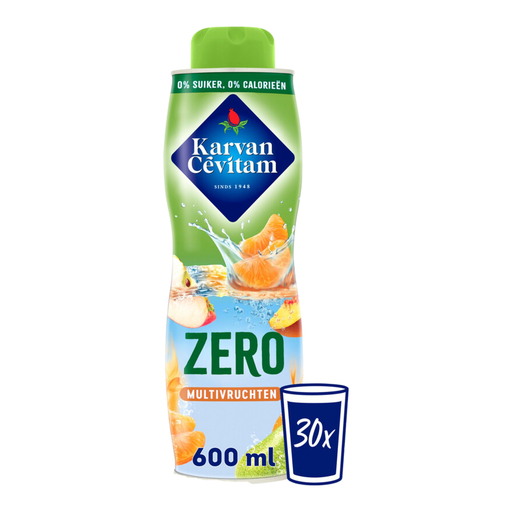
Why it suits this profile: You buy one bottle and can make up to 6 litres of drink, according to the product information. This is practical for families, entertaining guests or everyday use at home.
The recommended mixing ratio is stated clearly. This means you can adjust the strength yourself rather than leaving a large ready-to-drink pack unused.
0% sugar and 0 calories according to the product information; contains sweeteners and vitamin C. Refrigerate after opening.
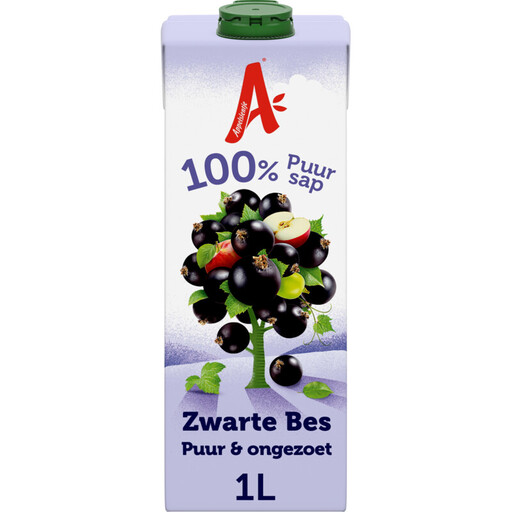
Why it suits this profile: This choice is ideal for anyone looking for a fruit juice with 100% fruit content and a distinctive, fresh and tangy berry flavour for breakfast or dinner.
The ingredients list contains only juice from concentrate made from apple, white grape, blackcurrant and aronia berry. No added sugars are listed.
1-litre pack; 53 kcal and 11.7 g sugars per 100 ml according to the label; none of the 14 major EU allergens listed.

Why it suits this profile: The box of 12 330 ml cans is suitable for stocking up, sharing and enjoying a set portion with a meal or at work.
The portions are pre-measured. According to the product description, the drink contains 30% mango juice, no added sugar and 17 kcal per 100 ml.
12 cans; mango as a clear flavour; according to the product information, serve chilled and store unopened in a cool, dry place.
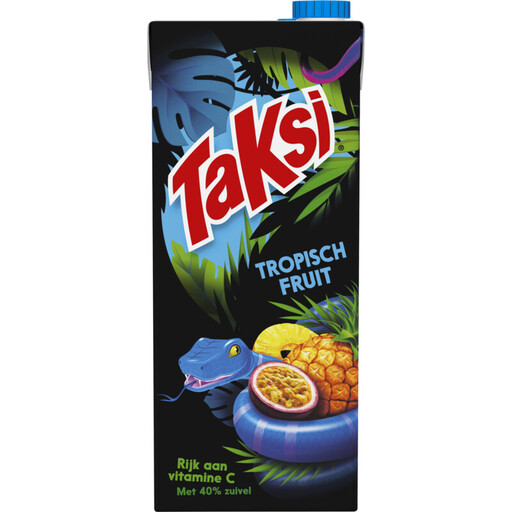
Why it suits this profile: This 1.5-litre tropical fruit drink is made with fruit juice and dairy ingredients. It is a good choice if you prefer a softer, fuller drinking experience.
The product information clearly states that it contains 6% juice from concentrate and milk as an ingredient. This makes the composition less surprising than with a drink presented as tropical only on the front of the pack.
34 kcal and 7.9 g sugars per 100 ml; according to the label, contains 17 mg vitamin C per 100 ml; note the milk allergen.
We have put together a complete, up-to-date list of products that fully meet these strict selection criteria and the applicable European safety regulations.
Fruit juice consists of juice, which may be made from concentrate. A tropical fruit drink may also contain more water, sugar, sweeteners, flavourings or a smaller proportion of fruit. Therefore, check the fruit percentage and ingredients list.
Examples in the range include Iam Superjuice Mango, Passionfruit, Lychee and Pink Guava. According to the product descriptions, these drinks contain no added sugar. However, they may contain natural sugars from fruit or sweeteners. Always check the current label.
This varies from product to product. Store opened bottles according to the packaging, usually refrigerated and within the stated period. It is best to drink an opened can or small bottle straight away. The best-before date and storage advice on the packaging take precedence over general information in an online shop.
