
Vandaag of morgen in huis

Kwaliteit gegarandeerd

Welkomstaanbiedingen ontgrendelen: GRATIS bezorging | Tot 80% korting | Gratis 30 dagen JoyPlus-proefperiode
Download de app
Buying a tropical fruit drink seems simple, until you have to choose between mango, lychee, passion fruit, guava or pineapple. Labels often feature terms such as “natural”, “light” or “no added sugar”. These words do not always tell the whole story. The difference usually comes down to the juice percentage, nutritional value, sweeteners and pack size.
This buying guide helps you compare tropical soft drinks and exotic fruit drinks objectively. That way, you can choose a bottle, can or multipack that suits your taste, occasion and budget.
A product may have a mango, lychee or passion fruit flavour, while containing only a limited amount of fruit juice. Always check the ingredients list and juice percentage.
Examples from the range:
A higher juice percentage may provide a more pronounced fruit profile, but on its own it says nothing about your personal taste preferences.
A fruit drink with no added sugar may still contain naturally occurring sugars from fruit. So check the nutrition table, especially the “of which sugars” value per 100 ml.
According to the product information, Iam Superjuice Mango, Lychee, Passionfruit and Pink Guava are labelled “no added sugar”. The stated energy value ranges from 15 to 17 kcal per 100 ml, but always check the current label when buying. Wicky Mango Sugar Free states less than 0.1 grams of sugar and 1 kcal per 100 ml, and uses sweeteners.
A low-calorie fruit drink can therefore be made in several ways: with less sugar, with sweeteners or with a combination of both.
A tray or multipack is convenient for a household, party or cupboard stock-up. However, it is worth calculating how much drink you actually use first. A pack of 12 or 24 cans also takes up more storage space.
Keep in mind:
Start with the first ingredients listed. If water, sugar or fructose-glucose syrup appears at the top, the product consists largely of these ingredients. Also check whether it contains juice from concentrate, purée, fruit pieces or flavourings.
For example, a lychee drink such as Jane Jane Lychee Soda lists 1% lychee juice concentrate. According to the product description, Calypso Yuzu Lychee Lemonade combines lemon, yuzu and lychee. This creates a different flavour profile from a drink with a higher lychee juice percentage.
Always compare nutritional values per 100 ml. This prevents a larger can from appearing more favourable simply because it has a different serving size.
As a guide:
Also look out for sweeteners such as sucralose, acesulfame-K, steviol glycosides or other permitted sweeteners. “Light” or “no added sugar” does not mean that the flavour and ingredients are the same as those of a sweetened soft drink.
Choose cans if you want to divide drinks into ready-sized portions or take them to a gathering. A 6-pack is suitable for trying a flavour first. A 12-pack or 24-pack makes more sense when you already know that the flavour suits your household.
Store unopened drinks according to the instructions on the packaging, usually in a cool place and away from direct sunlight. After opening, many products should be refrigerated and consumed within the stated period.
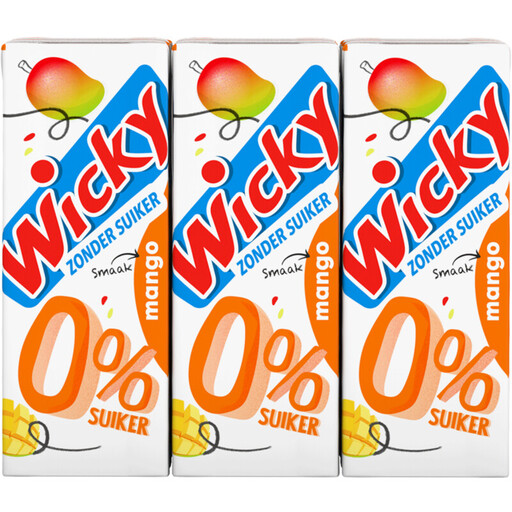
Why it suits this profile: The 6 packs of 200 ml are easy to manage for families and suitable if you prefer smaller portions. According to the product information, this variant contains less than 0.1 grams of sugar and 1 kcal per 100 ml.
The nutritional values immediately show the difference between a sweet mango soft drink and a version made with sweeteners. Check the current packaging for the full ingredients list.
6 × 200 ml, less than 0.1 grams of sugar per 100 ml according to the product information, plus added vitamin C.

Why it suits this profile: This multipack is aimed at fans of a distinctive passion fruit flavour. The product information states that it contains 30% natural passion fruit juice and 17 kcal per 100 ml.
The stated juice percentage and nutritional value are more concrete than simply calling a drink “exotic”. However, “no added sugar” should be distinguished from being completely sugar-free.
30% passion fruit juice according to the product description, 12 × 330 ml and 17 kcal per 100 ml according to the stated information.
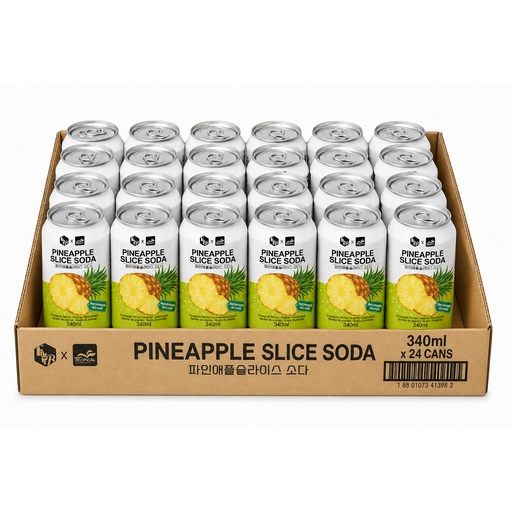
Why it suits this profile: The box of 24 cans of 340 ml is practical for parties, canteens or households that regularly serve soft drinks. The pineapple slices add a striking serving feature to the packaging.
The product information lists the proportion of pineapple slices and juice concentrate separately. This allows you to weigh the fruit content against the 51 kcal and 12.08 grams of sugar per 100 ml.
24 × 340 ml, carbonated and containing 2.85% pineapple slices according to the product description.
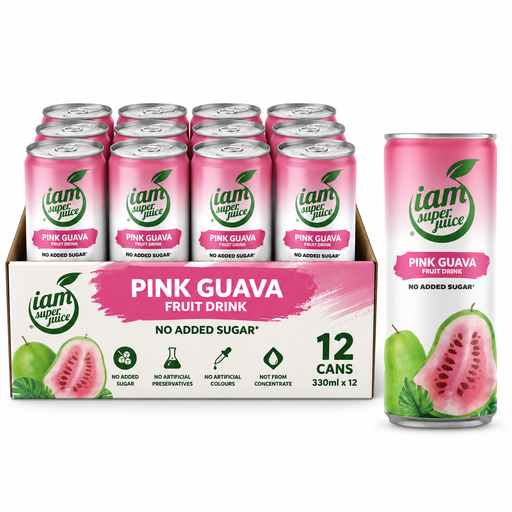
Why it suits this profile: Guava has an aromatic, gentle fruit flavour that differs from mango or pineapple. The 12 cans of 330 ml are ideal if you want to stock up for home or work.
This choice is based on the stated juice percentage, size and energy content, not just the product’s tropical appearance.
30% pink guava juice according to the product information, no added sugar and 16 kcal per 100 ml according to the stated data.
We have put together a complete, up-to-date list of products that fully meet these strict selection criteria and the applicable European safety regulations.
This varies by brand and flavour. According to the product information mentioned, Iam Superjuice Lychee, Mango, Passionfruit and Pink Guava contain approximately 15 to 17 kcal per 100 ml. Wicky Mango Sugar Free states 1 kcal per 100 ml. Always check the current label, as recipes and packaging may change.
No. “No added sugar” means that, according to the product information, no sugar has been added to the recipe. Natural sugars from fruit juice may still be present. Wicky Mango also uses sweeteners. So compare both the ingredients and the “of which sugars” line.
Store unopened cans in a cool, dry place away from direct sunlight, following the instructions on the packaging. It is best not to store an opened can for an extended period. If necessary, pour the contents into a sealed glass or bottle, refrigerate it and follow the usage instructions on the label.
