
Vandaag of morgen in huis

Kwaliteit gegarandeerd

Welkomstaanbiedingen ontgrendelen: GRATIS bezorging | Tot 80% korting | Gratis 30 dagen JoyPlus-proefperiode
Download de app
Choosing a tropical fruit drink may seem simple: pick an appealing flavour and you’re done. Yet mango drinks, passion fruit drinks, guava drinks, lychee drinks and coconut water can vary significantly in ingredients, serving size and when they are best enjoyed. A colourful label also does not always tell you how much fruit a drink contains.
If you’re looking to buy a fruit drink, it’s worth checking three common pitfalls first:
Start with the ingredients list, not the front of the packaging. Ingredients are listed in descending order by quantity. If water comes first and fruit appears later, it’s a water-based fruit drink. Also check whether it contains juice from concentrate, purée or a juice blend.
An exotic fruit drink containing 30% mango, guava or passion fruit has a different composition from a fruit-flavoured soft drink made mainly with carbonated water, sugar and flavourings. Both may fall into the same flavour category, but they are not directly comparable.
Look at the table per 100 ml. This allows you to compare packs of different sizes fairly. After all, a 330 ml can contains more than three times the per-100-ml values. As well as checking ‘of which sugars’, look for sugar, fructose, syrup and sweeteners such as sucralose or steviol glycosides in the ingredients list.
‘No added sugar’ does not automatically mean that a drink contains no sweeteners or natural sugars. According to the product information, the Iam Superjuice mango, pink guava and passion fruit variants are offered with no added sugar; the mango variant is sweetened with steviol glycosides, according to the same information. Always check the current label when buying, as recipes and packaging may change.
For lunch, a bike ride or a picnic, a sealed 230 to 370 ml portion is practical. For home, breakfast or sharing, 1-litre and 1.5-litre packs, or boxes containing several cans, make more sense. Once opened, fruit juice should generally be stored in the fridge and used within the timeframe stated on the packaging.
Also check for milk or milk ingredients. Some Taksi and Zappie drinks combine fruit juice with dairy ingredients. This creates a different mouthfeel from a clear tropical juice, but makes the allergen information especially important. With coconut water and other imported drinks, you should also check the origin, ingredients and whether they contain pieces of fruit or nata de coco.
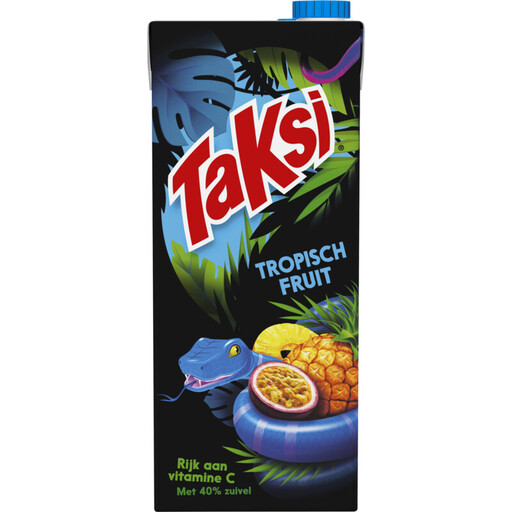
Why it suits this profile: The 1.5-litre size is suitable for breakfast, a family meal or several glasses at home. The flavour combines apple, pineapple and passion fruit with dairy ingredients.
The product information states that this variant contains no sweeteners. It does contain sugar, so compare the nutritional values before ordering.
1.5-litre capacity; according to the product information, 17 mg of vitamin C per 100 ml and no added sweeteners. Contains milk.

Why it suits this profile: Ideal if you value a clear, concise ingredients list and fixed portions. The box contains twelve 330 ml cans for home, work or sharing.
The product description states that it contains 100% coconut water, 2% coconut pieces and no added sugar. Check the current packaging and nutritional information before buying.
Twelve 330 ml portions; according to the product information, vegan, gluten-free and free from the fourteen main EU allergens.

Why it suits this profile: Convenient if you’re often out and about, want to stock up or are looking for a mango drink to enjoy with a meal. The cans can be served individually.
The fruit percentage is clearly stated as 30% mango. According to the product information, no sugar has been added; however, the drink contains a sweetener and naturally occurring sugars.
12 x 330 ml; according to the product information, 17 kcal per 100 ml and suitable for serving chilled.
We’ve put together a complete, up-to-date list of products that fully meet these strict selection criteria and the applicable European safety regulations.
No. ‘Fruit drink’ can be a blend of water, juice, concentrate, sugar, sweeteners and flavourings. Fruit juice generally focuses more on juice, but you should still check the ingredients and fruit percentage. The product name alone does not provide enough information.
Always follow the instructions on the packaging. Many drinks should be refrigerated after opening and consumed within a few days. Close the bottle or carton securely and do not use it if the packaging is swollen, leaking or smells different from expected.
That depends on the price per litre. Divide the total price by the total number of millilitres and compare the result with individual packs. Also consider storage space, shelf life and whether you’ll actually finish all the flavours and cans.
