
Vandaag of morgen in huis

Kwaliteit gegarandeerd

Welkomstaanbiedingen ontgrendelen: GRATIS bezorging | Tot 80% korting | Gratis 30 dagen JoyPlus-proefperiode
Download de app
A tropical fruit drink may seem simple to choose: mango, lychee or passion fruit, serve chilled and you’re ready to go. However, fruit drinks can vary considerably in composition, serving size and nutritional values. For example, a striking image of fresh fruit does not automatically mean that the bottle contains a high proportion of fruit juice.
For families, lovers of Asian drinks and consumers buying fruit drinks online, these are the main pitfalls to look out for:
Always compare the nutritional information per 100 ml. This allows you to compare a mango drink, lychee drink and sugar-free fruit drink fairly, even when the packaging comes in different sizes.
Look out for the difference between:
According to the product information provided, Wicky Mango Fruit Drink contains less than 0.1 grams of sugar and 1 kcal per 100 ml. The drink contains sweeteners and added vitamin C. This makes it practical for anyone specifically looking for a sugar-free fruit drink, although the presence of sweeteners may be a reason for some shoppers to choose a different option.
A fruit drink is not the same as pure juice. The ingredients list shows whether the product contains fruit juice from concentrate, purée, water, sugar, flavourings or other additions.
Examples from the range:
Do not focus only on words such as “natural”, “tropical” or “with fruit”. The order of the ingredients and the stated percentage provide a clearer picture of what you are buying. With an Asian drink containing nata de coco, texture is also an important part of the experience: the soft coconut jelly makes the drink different from an ordinary tropical fruit juice.
For school, work or travelling, packs of 200 to 330 ml are usually easy to take with you. A tray of cans or several bottles is useful when you want to stock up or are organising a party. For a family or with a meal, 1 litre or more is often more practical.
Also check:
According to the product information, a vitamin C drink may contain vitamin C, but this does not automatically make it suitable as a replacement for a varied diet. Use the nutritional information and ingredients list as your guide.
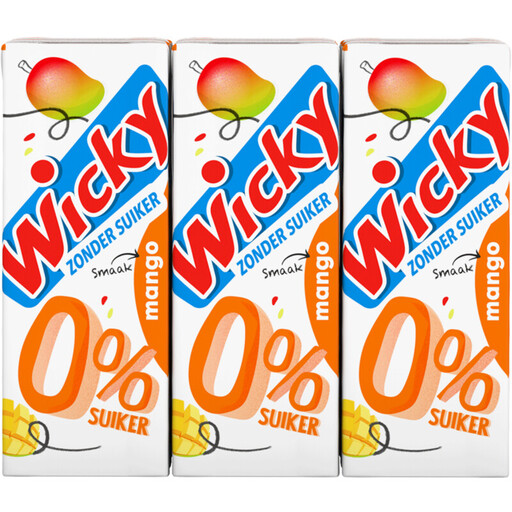
Why it suits this profile: The six small packs are ideal for lunch boxes, short trips and families who want to portion drinks in advance.
The nutritional information states less than 0.1 g of sugar and clearly shows the use of sweeteners in the ingredients list.
6 x 200 ml, mango flavour, 1 kcal per 100 ml and added vitamin C according to the product information.
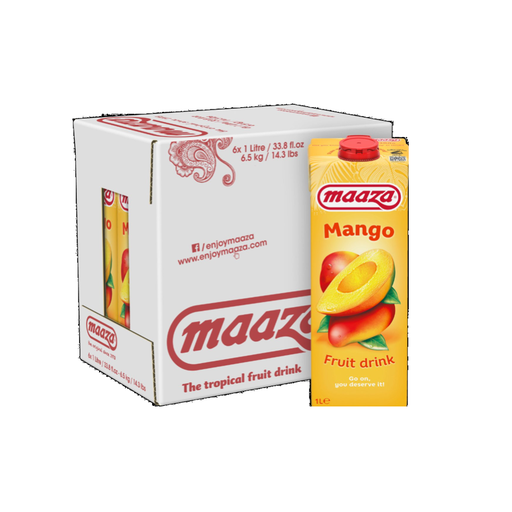
Why it suits this profile: The large pack is ideal for households serving mango drink at breakfast, lunch or a family dinner.
The stated 17% mango purée content means you do not have to rely solely on the product’s tropical name.
1-litre pack, 17% mango purée and 46 kcal per 100 ml according to the nutritional information provided.

Why it suits this profile: A tray of twelve cans is practical for stocking up, entertaining, work or fans of a distinctive passion fruit drink.
The product description states 30% passion fruit juice, no added sugar and 17 kcal per 100 ml. Check the current packaging for the definitive details.
12 x 330 ml, a distinctive sweet-and-sour passion fruit flavour and packaging suitable for sharing.
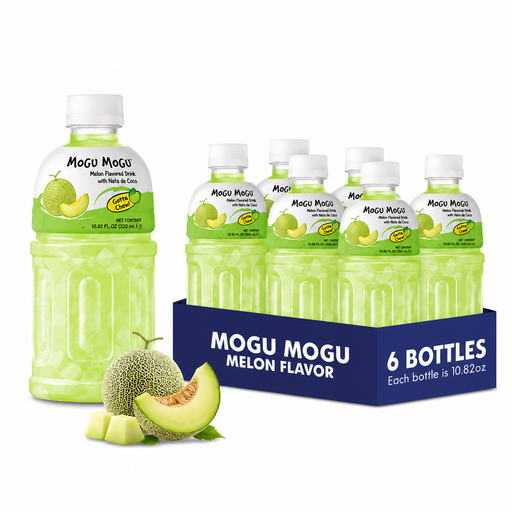
Why it suits this profile: The combination of melon flavour and nata de coco is ideal for anyone looking for not just a fruit drink, but an interesting texture too.
The product information states 15% nata de coco and 11 g of sugar per 100 ml, allowing you to take the chewy addition and sweetness into account beforehand.
6 x 320 ml, melon flavour and nata de coco; serving chilled is listed as a suggested way to enjoy it.
We have put together a complete, up-to-date list of products that fully meet these strict selection criteria and the applicable European safety regulations.
No. A fruit drink may contain water, fruit juice from concentrate, purée, sugar, sweeteners and flavourings. Fruit juice has different legal designations and a different composition. Therefore, check the fruit percentage and ingredients list rather than relying solely on the front of the packaging.
This varies by product. Wicky Mango states less than 0.1 grams of sugar per 100 ml and uses sweeteners. Iam Superjuice Passionfruit states no added sugar and 17 kcal per 100 ml. A drink with no added sugar may still contain natural sugars. Therefore, always compare the “of which sugars” line per 100 ml.
Follow the instructions on the label. Many products need to be refrigerated after opening, often at a maximum of 7°C, and consumed within a few days. Close the bottle or carton securely, and do not use damaged or already opened packaging if the seal was not intact before use.
