
Vandaag of morgen in huis

Kwaliteit gegarandeerd

Welkomstaanbiedingen ontgrendelen: GRATIS bezorging | Tot 80% korting | Gratis 30 dagen JoyPlus-proefperiode
Download de app
Buying a tropical fruit drink sounds simple until you compare the labels. One bottle may contain mostly water and sugar, while another has a higher proportion of fruit juice or coconut water. Terms such as “natural”, “exotic” and “no added sugar” do not always tell the full story either.
For drinking at home, on the go or with a meal, three pitfalls are particularly important:
With the right checks, it is easier to find a tropical fruit juice, coconut water or Asian drink that suits your taste and the occasion.
Ingredients are listed in descending order by weight. If water appears first, the product is usually a mixed fruit drink rather than pure juice. A higher percentage of mango, passion fruit or coconut water can provide a more pronounced fruit flavour, but it may also mean a higher price.
When choosing an exotic drink, look out for the following:
For example, a mango drink may also contain apple or passion fruit juice. That is not necessarily a bad thing, but it does determine the final flavour. If you want a full-bodied passion fruit juice, the passion fruit percentage matters more than a picture of passion fruit on the label.
Always compare nutritional values per 100 ml. Then calculate the amount for the whole pack. A drink containing 10 grams of sugar per 100 ml will contain approximately 35 grams of sugar in a 350 ml bottle. With a fruit drink multipack containing 330 ml cans, the amount per can can vary considerably.
Products described as fruit drink with no added sugar may still contain natural fruit sugars. According to the product information, Iam Superjuice Passionfruit Drink contains 30% natural passion fruit and 17 kcal per 100 ml, with no added sugar. Always check the current label when buying, however, as recipes and packaging may change.
Sweeteners are a separate category. A drink may be low in sugar but still contain sucralose or acesulfame-K. If you prefer to avoid these, it is best to read the full ingredients list rather than relying solely on the front of the packaging.
A small 250 or 330 ml can is convenient for drinking on the go and prevents a large bottle from sitting open in the fridge for too long. A 1.5-litre pack is better suited to several people or a meal at home.
Also check:
Coconut water and drinks containing fruit pulp sometimes need to be shaken. According to the product information, Sunlee Coconut Juice with Pulp contains coconut water, water, sugar and young coconut pulp. The instructions say to shake the pack well before opening. KATO Coconut Juice with Nata De Coco combines a coconut drink with 15% nata de coco, giving it a different texture from clear coconut water.

Why it suits this profile: The twelve 330 ml cans are practical for keeping at home, taking on a picnic or enjoying individually. The flavour is distinctly tropical, thanks to the stated 30% passion fruit content.
The product information states both the fruit percentage and the nutritional values. This makes it easier to assess the no-added-sugar claim alongside the ingredients and sugar content.
30% natural passion fruit according to the product description, 17 kcal per 100 ml and a pack of 12 × 330 ml.

Why it suits this profile: This option is aimed at anyone looking for a straightforward coconut drink with clear product specifications. The cans can be served chilled and enjoyed one at a time.
According to the product information, the drink consists of 100% coconut water and contains 2% coconut pieces. The product description also states that no sugar has been added.
12 × 330 ml, vegan according to the product information, with real coconut pieces for added texture.
Why it suits this profile: This multipack is ideal for households, gym bags or workplaces where an individual can is opened regularly.
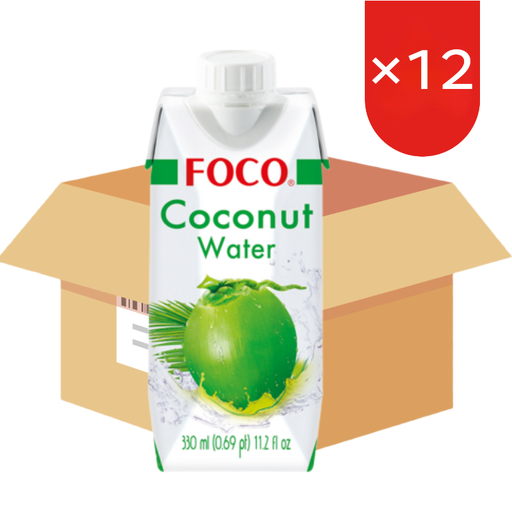
The ingredients list contains only coconut water. This makes the difference between this product and coconut drinks containing sugar, syrup or nata de coco easier to see.
100% coconut water according to the product information, 12 cans of 330 ml and suitable for storage at room temperature when unopened.
If you prefer a fizzy drink, consider Rubicon Passion Fruit 330 ml. The product information states that it contains 4% passion fruit juice from concentrate, 20 kcal per 100 ml and a pack of 24 cans. This makes it an option for fans of a sweet-and-sour flavour with a light sparkle.
For a fruity blend, FOCO Mango Passion Fruit Drink 350 ml is worth considering. According to the ingredients, this mango drink contains 10% mango juice and 5% passion fruit juice. The bottle is convenient for drinking on the go, but it does contain 9.8 grams of sugar per 100 ml. This is a good example of why you should always assess a portable format alongside its nutritional values.
For an Asian drink with a tea profile, try Vita Lemon Tea. The 250 ml version contains black tea, lemon juice, sugar and vitamin C; the product information states 10.2 grams of sugar per 100 ml. If you are looking for lemon iced tea, it is therefore worth factoring in the serving size.
We have put together a complete, up-to-date list of products that fully meet these strict selection criteria and the applicable European safety regulations.
It varies by product. Iam Superjuice Passionfruit Drink and Iam Superjuice Coconut Water are described in the product information as drinks with no added sugar. They may still contain naturally occurring sugars. Always check the current ingredients list and nutritional information on the packaging.
No. Coconut water is the liquid from inside the coconut. Coconut drinks may contain additional water, sugar, flavourings or pieces of coconut. According to the product information, FOCO Coconut Water lists only coconut water as an ingredient, while KATO Coconut Juice with Nata De Coco also contains nata de coco, sugar and fruit syrup.
Always follow the label instructions. Many products need to be refrigerated after opening and consumed within a few days. Seal bottles or cartons properly and check the smell, colour and packaging before drinking. With cans, it is practical to serve the contents straight away, as they quickly lose their freshness once opened.
