
Vandaag of morgen in huis

Kwaliteit gegarandeerd

Welkomstaanbiedingen ontgrendelen: GRATIS bezorging | Tot 80% korting | Gratis 30 dagen JoyPlus-proefperiode
Download de app
A cold glass of tropical fruit drink can instantly give you a taste of summer. But in the aisle of colourful cartons and bottles, it's hard to choose. Not every drink delivers on the promise of an exotic flavour experience. Many products lure you in with attractive pictures but contain little fruit and a lot of sugar.
Before you make a purchase, it's smart to know what to look for. This helps you avoid disappointment and ensures you get what you pay for. These are the most common pitfalls:
To make a good choice, you just need to look at the label. Focus on three specific details to assess the quality of a tropical fruit drink.
The name on the packaging tells you a lot about the contents.
Always check the ingredients list for the percentage of fruit puree or juice from concentrate. A higher percentage typically means a richer, more authentic flavour.
A look at the nutrition label is essential. Compare the grams of sugar per 100 ml. Some drinks, like guava juice, are naturally sweet, but many manufacturers add extra sugar. If "sugar" is high on the ingredients list, the drink is likely more of a non-carbonated soft drink than a nutritious fruit beverage.
Tropical drinks are available in all sorts of packaging. Large one-litre cartons of juice are ideal for families or if you use the drink regularly, for example, with breakfast. Smaller 330 ml cans or bottles are convenient for on-the-go, a lunch break, or for trying a new flavour like passion fruit drink without having to buy a large carton straight away.
Based on clear product specifications, we have selected a number of popular choices that suit different preferences.
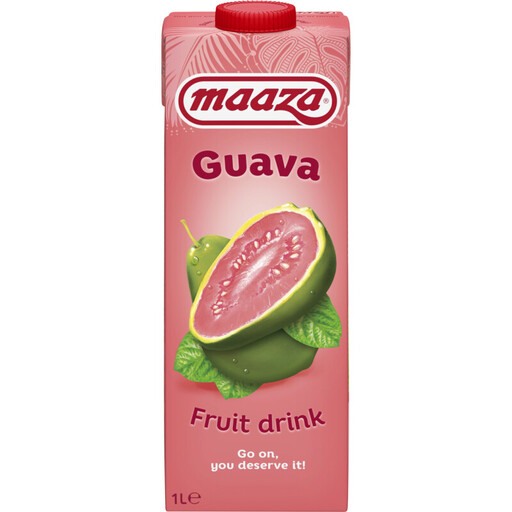
Why This Fits Their Persona: This one-litre carton is perfect for households. The soft, sweet flavour of guava, often described as a mix of pear and strawberry, is approachable and loved by both adults and children.
The label clearly states a fruit content of 18% guava puree. You know exactly what you're getting, unlike drinks with vague "tropical flavour" claims.
Large, shareable size. Authentic flavour from the use of pink guava puree from South Africa, as stated by the brand.
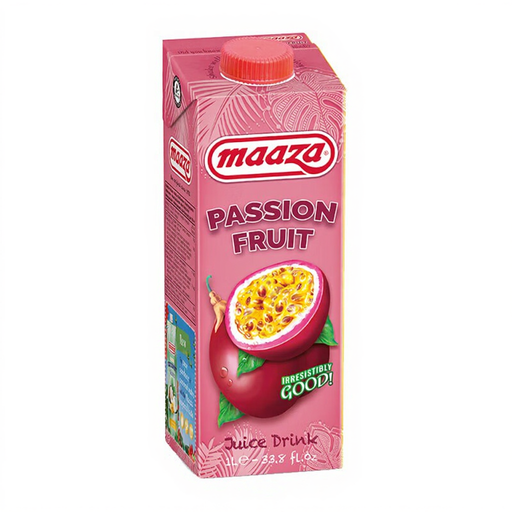
Why This Fits Their Persona: For those looking for a distinct and authentic tropical flavour. The sweet and sour, intense taste of passion fruit is unmistakable and perfect for fans of exotic juices.
This drink contains 14% passion fruit juice from concentrate. This provides a powerful flavour that doesn't just rely on added flavourings, which is a common pitfall.
An intense and pure passion fruit flavour. Versatile in use: delicious on its own with ice, but also an excellent base for desserts or cocktails.
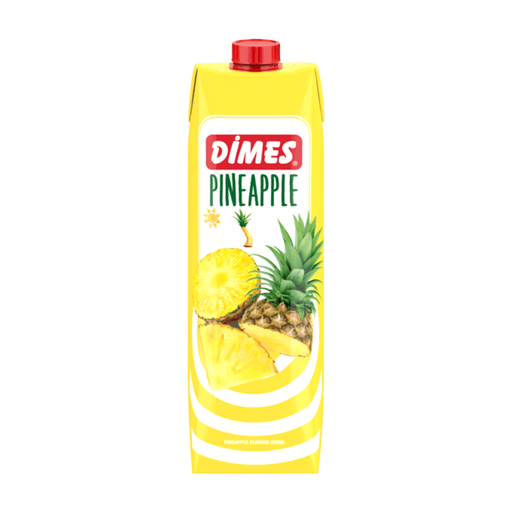
Why This Fits Their Persona: A reliable base for any home bartender. Pineapple juice is an essential ingredient for classic tropical cocktails like the Pi?a Colada or a fruity punch.
This product is a clear pineapple juice made from concentrate. The ingredients list is short and straightforward, ensuring a predictable and pure flavour in your mixed drinks.
Non-carbonated with a pure, sweet-tart pineapple flavour that combines well with other drinks without being overpowering.
We have compiled a complete, up-to-date list of products that meet these selection criteria and regulations.
The main difference is the fruit percentage. By law, fruit juice must consist of 100% fruit. A fruit drink, on the other hand, often contains only a small percentage of juice and is mainly composed of water, sugars, and flavourings. Always read the label to see what you're buying.
For cocktails, it's best to use juices with a pure and powerful flavour. Pineapple juice and passion fruit drink are classics because they have a good balance of sweet and sour. Maaza juice with flavours like lychee or mango can also be a surprising addition to a mixed drink. Preferably choose a non-carbonated juice for the best mixability.
Once opened, most cartons of juice should be stored in the refrigerator. They typically last for another 3 to 5 days. Always seal the packaging tightly to maintain freshness. The exact shelf life after opening is always stated on the packaging itself.
