
Vandaag of morgen in huis

Kwaliteit gegarandeerd

Welkomstaanbiedingen ontgrendelen: GRATIS bezorging | Tot 80% korting | Gratis 30 dagen JoyPlus-proefperiode
Download de app
Anyone searching online for tropical drinks is faced with plenty of choice: from mango drinks and fruit juice to Asian beverages with nata de coco. However, eye-catching packaging does not always tell you much about what is inside. A bottle may promise a strong fruit flavour, while containing very little fruit juice. Terms such as “sugar-free” and “natural” also deserve a closer look.
This buying guide helps you compare offers on Joybuy in a practical way. Consider the fruit percentage, nutritional values, packaging and occasion. That way, you can make a more informed choice between a tropical fruit drink, tropical fizzy drink or multipack of soft drinks.
“Mango”, “passion fruit” or “guava” on the front often refers to the flavour, not the proportion of fruit. So check the ingredients list and the percentage of juice, purée or concentrate.
For example, a guava drink containing 16% guava juice from concentrate is clearly different from a drink containing 30% fruit juice. Both may taste fruity, but their composition and price per litre are different.
A drink with no added sugar may still contain sugar that occurs naturally in fruit. Some products also use sweeteners. So check:
According to the product information, Wicky Mango contains less than 0.1 grams of sugar per 100 ml, but also just 0.2% mango from concentrate and sweeteners. Iam Superjuice Mango states that it contains 30% mango juice, no added sugar and 17 kcal per 100 ml. These are different types of product, even though they both have a mango flavour.
A box of twelve cans can be useful for a party or for stocking the cupboard, but less suitable if you want variety or have limited storage space. Compare not only the pack price, but also the price per litre and the shelf life.
With single-serve packaging, you generally pay for convenience. A 1 or 1.5-litre bottle is often more practical with a family meal, while cans or pouches are handy for lunch, work or when you are out and about.
Start by checking the volume: 200 ml, 230 ml, 300 ml, 330 ml or 1.5 litres. Then look at the ingredients. A higher fruit percentage may mean a more pronounced fruit flavour, but it does not guarantee a taste you will enjoy.
Examples:
For drinks containing jelly pieces or nata de coco, also consider the texture. This is an important part of the drinking experience, and not everyone enjoys it.
Always compare nutritional values per 100 ml. A 1-litre bottle may contain several servings, meaning the total amount of sugar can quickly add up. A sugary tropical fizzy drink, such as Jarritos Mango or Fanta Pineapple, has a different nutritional profile from a sweetened drink.
Read the claim “no added sugar” alongside the ingredients list. According to the product information, Iam Superjuice Passionfruit contains 30% passion fruit juice, no added sugar and steviol glycosides as a sweetener. Taksi Tropical Fruit Drink with no added sugar contains, among other ingredients, milk constituents and sucralose. So this is not an ordinary fruit juice.
Read the label carefully if you need to take allergens into account. Most of the products mentioned do not list any of the 14 main EU allergens, but Taksi products contain milk constituents. Check the current packaging whenever you buy.
Also look out for colourings. The product information for Fanta Pineapple mentions E102 and E110. Products containing these colourings carry the required warning about activity and attention in children.
Not all tropical drinks are alcohol-free. Safari Senza Exotic Fruit-Flavoured Drink and Passoa Festa Passion Fruit Cocktail contain 14.9% alcohol. These products are therefore not suitable as soft drinks for children or for situations where you want to avoid alcohol.
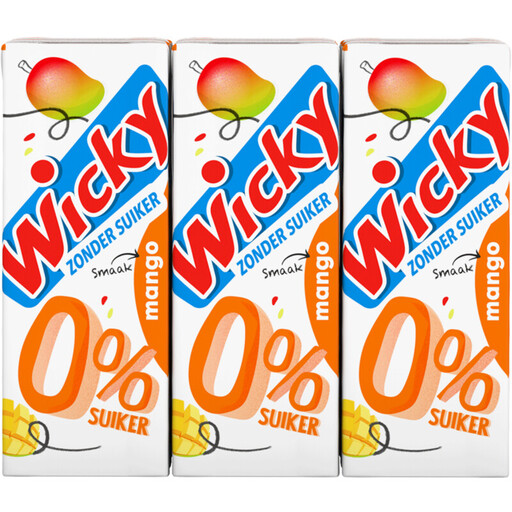
Why it suits this profile: The six individual portions are practical for lunch boxes, families and anyone who wants to try a tropical flavour before buying a large supply.
The product information states less than 0.1 grams of sugar per 100 ml and also makes the low mango content of 0.2% clear. This tells you that it is a light mango drink with sweetener, rather than pure fruit juice.
6 x 200 ml, less than 0.1 g of sugar per 100 ml and added vitamin C according to the product description.
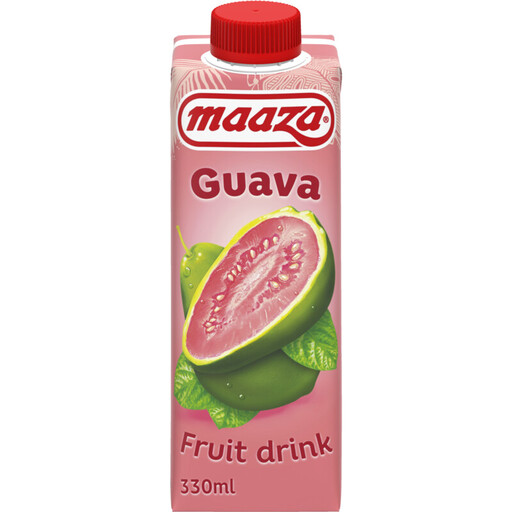
Why it suits this profile: This guava drink is ideal for anyone looking for a distinctive, full tropical fruit flavour and who prefers a short ingredients list.
The product information states that it contains 16% guava juice from concentrate, with water and sugar listed as the other main ingredients. This helps you put the fruit claim into context.
330 ml per bottle, 16% guava juice from concentrate and 29 kcal per 100 ml according to the product information.

Why it suits this profile: The box of twelve cans is ideal for parties, shared meals and households that regularly want to serve a tropical fruit drink.
The product description states both 30% passion fruit juice and no added sugar, as well as 17 kcal per 100 ml. The presence of steviol glycosides makes it clear that the sweet taste does not come from added sugar.
30% natural passion fruit juice, 12 x 330 ml and no added sugar according to the product information.
We have put together a complete, up-to-date list of products that fully meet these strict selection criteria and the applicable European safety regulations.
A multipack of soft drinks in 330 ml cans is practical for larger groups. Iam Superjuice Passionfruit contains twelve cans and can be served chilled straight away. For more variety, combine different flavours such as mango, guava, lychee and pineapple soft drinks.
Fruit juice consists of juice and may be made from concentrate. A fruit drink may also contain water, sugar, sweeteners, flavourings or other ingredients. So always check the ingredients list and fruit percentage rather than relying on the product name alone.
Store opened drinks according to the label. Many products need to be refrigerated after opening and consumed within the stated period. Store unopened bottles and cans in a cool, dry place away from direct sunlight. For alcoholic products, make sure the closure is replaced securely after opening.
