
Vandaag of morgen in huis

Kwaliteit gegarandeerd

Welkomstaanbiedingen ontgrendelen: GRATIS bezorging | Tot 80% korting | Gratis 30 dagen JoyPlus-proefperiode
Download de app
A mango drink to have with a meal, a multipack for a party or a low-calorie drink for when you’re out and about: tropical drinks come in many varieties. The difference is not just in the flavour. The juice content, amount of sugar, pack size and use of sweeteners also determine whether a product suits your needs.
As a Joybuy Product Recommendation Officer, I assess product information based on practical details. This helps you avoid choosing solely because of colourful packaging or an attractive offer.
Drinks with no added sugar may still contain sugar that occurs naturally in fruit. Always check the nutrition table. A product may also contain sweeteners such as steviol glycosides, sucralose or acesulfame-K.
For example, the Iam Superjuice range states that it contains no added sugar. According to the product information, the mango, passionfruit, guava and lychee drinks contain approximately 16 to 17 kcal per 100 ml, respectively, and are sweetened with steviol glycosides. That is different from a drink with no sweeteners.
“Passionfruit”, “mango” or “guava” on the front does not mean that the drink consists mainly of that fruit. Check the ingredients list and the juice or purée percentage.
The Iam Superjuice Passionfruit Drink contains 30% natural passionfruit juice. Bundaberg Passionfruit contains 3.5% passionfruit juice from concentrate, along with ingredients including sugar, carbonated water and flavourings. Both are passionfruit drinks, but their composition and taste can be noticeably different.
A multipack is convenient for families, parties and keeping a supply at home. However, it is worth calculating the price per litre. Twelve 330 ml cans contain 3.96 litres in total; a 1.5-litre bottle is easier to manage with a meal, but must be refrigerated after opening.
Also consider the serving size. A can or pouch containing 230 to 330 ml makes it easier to control each serving, while a larger pack is more likely to result in several glasses being poured.
First decide what you are looking for:
Mogu Mogu Lychee Flavoured Drink contains nata de coco. This gives it a different texture from a standard lychee drink. According to the product information provided, this drink contains approximately 47 to 54 kcal and 11 to 13 grams of sugar per 100 ml. Always check the label on the packaging before buying, as nutritional values may vary by market or formulation.
A fair comparison starts with the same unit of measurement. A 330 ml serving may contain considerably more sugar or calories than the per-100-ml figure suggests.
Some examples from the product information:
“Low-calorie” is therefore a relative choice within the range. It does not mean that a drink is suitable for every individual dietary situation.
For school, work or when you’re out and about, small cans, bottles and pouches are practical. For a family or a meal, packs of 1 to 1.5 litres are often more suitable. A multipack avoids the need for separate purchases, while single servings can help reduce waste when not everyone wants the same flavour.
Alcoholic fruit drinks belong to a different category. According to the product information, Safari Senza and Passoa Festa contain 14.9% alcohol. These products are intended for adults. Check the alcohol content, drink responsibly and keep alcohol out of the reach of children.
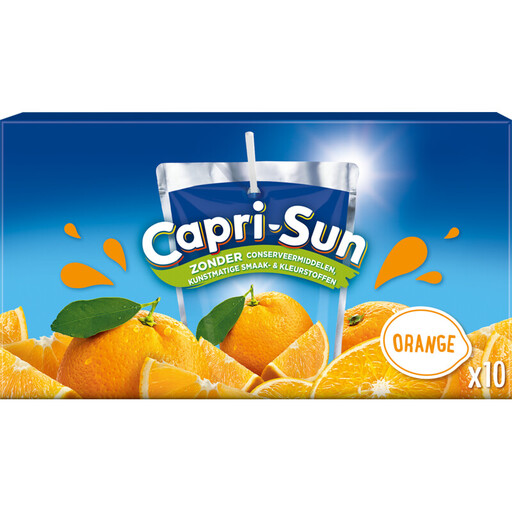
Why it suits this profile: The pack contains 10 x 200 ml pouches, making it practical for days out, families and drinking on the go.
The juice percentage and nutritional values are stated: 10% concentrated fruit juice, 19 kcal and 4.4 grams of sugar per 100 ml.
10 x 200 ml, containing fruit juice and mineral water; according to the product information, it contains no artificial colourings or preservatives.

Why it suits this profile: If you are looking for a clearly defined fruit flavour and a supply for home, you get 12 cans with a distinctive passionfruit taste.
The product information states 30% natural passionfruit juice, no added sugar and 17 kcal per 100 ml. Check the current packaging to confirm.
12 x 330 ml, best served chilled and suitable for home, work or with a meal.
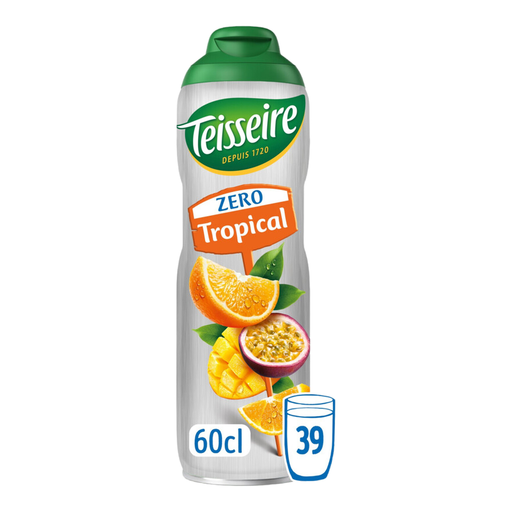
Why it suits this profile: This syrup format is designed for multiple servings and, according to the product information, can be diluted with water or used in cocktails and desserts.
The recommended dilution and nutritional information make it easier to control your own serving sizes. The product contains sweeteners; “zero sugar” does not mean that it contains no sweeteners.
600 ml bottle with a tropical fruit blend of orange, mango and passionfruit; according to the product information, it makes approximately 39 servings at the stated dilution.
We have put together a complete, up-to-date list of products that fully meet these strict selection criteria and the applicable European safety regulations.
Compare offers based on the price per litre, not just the price of the pack. A 12-pack may be useful for a party, but only if you will use the drinks before their best-before date. Also check:
A large bottle such as Taksi Tropical Fruit Juice, at 1.5 litres, is suitable for a family meal. According to the product information, this drink contains milk ingredients and approximately 34 kcal and 7.9 grams of sugar per 100 ml. This makes it important to read the ingredients if someone in your household avoids milk.
Small packs are the most practical. Consider 200 ml Capri-Sun pouches, 330 ml cans or a 230 ml watermelon drink in a pouch. In warm weather, choose packaging that seals securely and follow the storage instructions on the label after opening.
No. A drink with no added sugar may contain naturally occurring fruit sugars and can therefore still provide calories. Compare the nutritional value per 100 ml. According to their product information, the Iam Superjuice varieties stand out with values of approximately 15 to 18 kcal per 100 ml, but check the current packaging before buying.
This varies by product. Larger packs generally need to be refrigerated after opening and used within the period stated on the label. With small cans and pouches, it is usually more practical to drink the serving straight away. Store unopened tropical drinks in a cool, dry place away from direct sunlight, as specified in the product information.
