
Vandaag of morgen in huis

Kwaliteit gegarandeerd

Welkomstaanbiedingen ontgrendelen: GRATIS bezorging | Tot 80% korting | Gratis 30 dagen JoyPlus-proefperiode
Download de app
Tropical drinks and Asian drinks are popular with consumers who want to try new flavours. From exotic fruit juice and mango drinks to coconut water, soya milk and matcha latte, there is plenty of choice. However, colourful packaging does not always tell you enough about what is inside.
Comparing products carefully can help you avoid disappointment caused by an overly sweet flavour, a low fruit content or packaging that does not suit your needs. Below, you will find the key points to consider, along with some popular choices for different drinking occasions.
A tropical fruit drink may consist mainly of water, with a smaller proportion of juice or purée. So check the fruit percentage in the ingredients list. For example, Maaza Guava Fruit Drink lists 16% guava juice from concentrate. Iam Superjuice Passionfruit Drink contains 30% passion fruit juice.
A higher fruit percentage can provide a more pronounced fruit flavour, but it does not automatically tell you how much sugar or how many calories the drink contains, nor whether you will enjoy the taste.
Products with no added sugar may still contain naturally occurring sugars from fruit. Some drinks also use sweeteners. According to the product information, Wicky Mango Fruit Drink contains less than 0.1 grams of sugar per 100 ml, but it does contain sucralose and acesulfame-K.
So always compare:
A fruit drink with no added sugar may therefore taste different from a traditional mango drink containing sugar.
A box of 12 cans may offer good value per serving, but it takes up more storage space. Small packs are convenient for lunch, school or travelling, while a 1 or 1.5-litre bottle is better suited to a family or a meal at home.
Also check the shelf life, storage instructions and guidance for after opening. Many ready-to-drink beverages need to be refrigerated after opening and consumed within the stated period.
Start with the first ingredients listed on the label. If water is at the top of the list, the product is primarily water-based. Then check whether it contains juice from concentrate, purée, flavourings, sugar or sweeteners.
Examples from the range:
Use the values per 100 ml to compare products fairly. After all, a 330 ml can contains more than three times the amount shown in the table.
Pay particular attention to:
Vitamins are not a reason to overlook other ingredients. According to the product information, Taksi Tropical Fruit contains vitamins C and D, but also milk, sugar and stabilisers. If you prefer plant-based drinks, you should therefore pay particular attention to allergens and the complete ingredients list.
Soya milk is plant-based, but soya is an EU allergen. Cooling Hydration vitasoy Original Soy Milk contains soya and provides 2 grams of protein per 100 ml according to the product information. SAHMYOOK Black Bean & Calcium Soybean Milk contains soya and wheat.
Coconut water, certain fruit drinks and matcha latte powders may be suitable for a vegan diet, but always check the current label. JENI Vegan Matcha Latte is described as vegan, but contains ingredients including glucose syrup, sugar, vegetable fats and sweetener. “Vegan” therefore says nothing about the sugar content.
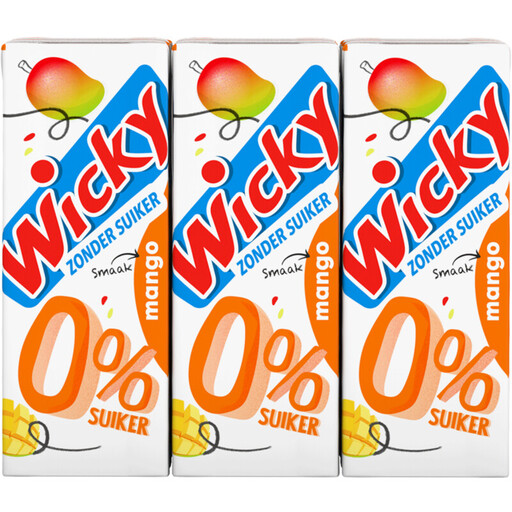
Why it suits this profile: The multipack contains six 200 ml servings, making it easy to manage for families, lunch breaks and anyone trying a sweetened mango flavour for the first time.
The product information states that it contains less than 0.1 grams of sugar per 100 ml. The presence of sucralose and acesulfame-K is also clearly stated.
200 ml per carton, six per pack, 1 kcal and less than 0.1 grams of sugar per 100 ml according to the supplied label.

Why it suits this profile: This box is ideal for fans of a distinctive passion fruit flavour who like to keep a supply of canned Asian soft drinks at home.
The product description states a fruit content of 30%. It also lists 17 kcal per 100 ml and no added sugar; check this on the label when your order arrives.
12 330 ml cans, passion fruit as the main flavour and a stated energy value of 17 kcal per 100 ml.

Why it suits this profile: Convenient for anyone who regularly wants a portable drink and enjoys the taste of coconut water with pieces of coconut.
The product description states 100% coconut water and 2% real coconut pieces. “No added sugar” is stated, but check the nutritional information for the total sugar content.
Vegan according to the product information, 12 330 ml cans and ready to drink without preparation.
We have put together a complete, up-to-date list of products that fully meet these strict selection criteria and the applicable European safety regulations.
Fruit juice generally consists entirely or largely of juice, whereas a fruit drink often contains water, juice, sugar, sweeteners, flavourings or other ingredients. Check the product name and fruit percentage on the label.
Coconut water, some fruit drinks and plant-based products such as soya milk may be suitable. Always check the allergen and ingredients lists. Taksi Tropical Fruit, for example, contains milk and is therefore not suitable for a vegan diet. A matcha latte may have a plant-based base, but you should also check the creamer used.
This varies from one product to another. Store opened bottles, cartons and cans in the fridge according to the packaging instructions. The product information for various drinks recommends consuming them within 24 hours, 48 hours or a few days. The current packaging takes precedence, particularly when the information online does not completely match the label.
