
Vandaag of morgen in huis

Kwaliteit gegarandeerd

Welkomstaanbiedingen ontgrendelen: GRATIS bezorging | Tot 80% korting | Gratis 30 dagen JoyPlus-proefperiode
Download de app
An exotic fruit drink may seem straightforward to choose at first glance. However, tropical drinks vary considerably in sugar content, fruit percentage, size, carbonation and alcohol content. An eye-catching label also does not always tell you how much fruit the packaging actually contains.
When shopping online, there are three main pitfalls to watch out for:
By checking a few key points, you can compare tropical fruit juice, mango drink, passion fruit drink or Japanese soft drinks much more effectively.
The product name may suggest a clear fruit flavour, but the ingredients provide more information. For example, Iam Superjuice Mango lists 30% mango juice. According to the product information, Iam Superjuice Passionfruit Drink contains 30% passion fruit juice. This is a more useful comparison point than simply describing a drink as “exotic”.
Also look out for the difference between:
A fruit drink can therefore have a pronounced fruit flavour without consisting mainly of fruit juice. With a tropical soft drink such as Jarritos Mango, the product information focuses on carbonation, sugar and mango flavour.
Do not look only at the amount of sugar per can. The nutritional value per 100 ml makes small cans, large bottles and multipacks easier to compare.
Examples from the range:
“No added sugar” is therefore different from sugar-free drink. Always check the current packaging, as product compositions and labels may change.
For enjoying at home, a 1 or 1.5-litre bottle can be practical. For lunch, a picnic or a party, 230 to 330 ml cans are easier to portion. A tray of 12 cans is useful for keeping a supply in stock, but make sure you already know the flavour before buying in bulk.
Alcoholic fruit drinks require extra care. Safari Senza Exotic Fruit-Flavoured Drink and Passoa Festa Passion Fruit Cocktail both state an alcohol content of 14.9%. These drinks are not comparable with soft drinks or coconut water. Check the percentage, serving suggestion and legal age limit. Keep alcohol out of the reach of minors and drink responsibly.
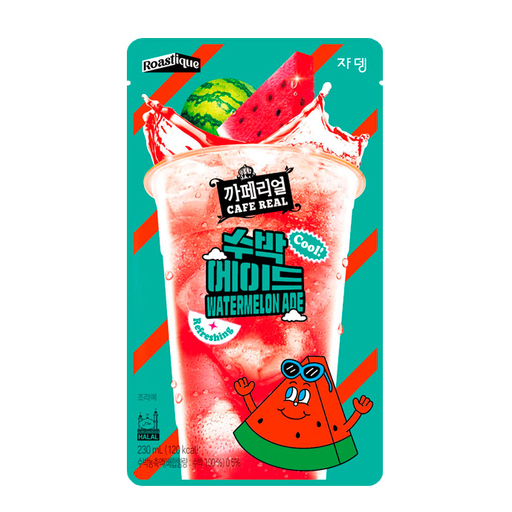
Why it suits this profile: The 230 ml can is a manageable portion for anyone who wants to try a new watermelon drink first.
The product information states that it contains real watermelon juice and approximately 24 kcal per 100 ml, so you do not have to base your choice on the packaging alone.
230 ml per can, lightly carbonated according to the product description and best served chilled.

Why it suits this profile: Ideal for anyone looking for a specific tropical drink with clear, straightforward product positioning and enough stock for several occasions.
The product information states that it contains 100% coconut water and 2% coconut pieces. However, check the current label before buying.
12 cans of 330 ml, no added sugar according to the product information and suitable for vegan consumers.

Why it suits this profile: A multipack is ideal for households, sharing and anyone who likes to have a mango drink chilled and ready to enjoy regularly.
The product information states that it contains 30% mango juice and 17 kcal per 100 ml. This makes the fruit content and energy value easier to assess in advance.
12 cans of 330 ml, no added sugar according to the product information and suitable for serving chilled or over ice.
We have put together a complete, up-to-date list of products that fully meet these strict selection criteria and the applicable European safety regulations.
This varies by product. According to the product information, Iam Superjuice Mango, Passionfruit, Lychee and Pink Guava are described as drinks with no added sugar. This does not automatically mean that they contain no natural sugars, so always check the current nutritional information table.
Tropical fruit juice or a fruit drink is generally made from juice, purée or concentrate. A tropical soft drink usually contains carbonation and may consist mainly of water, sugar, sweeteners and flavourings. One example is HATA Lychee Ramune, a Japanese soft drink with carbonation, sugar and lychee flavour. The ingredients list makes the difference clear.
Store unopened drinks according to the label, usually in a cool place away from direct sunlight. Once opened, many products should be refrigerated and consumed within the stated period. With an alcoholic fruit drink, check that the bottle remains tightly closed. For every purchase, check the best-before date and the instructions for use on the packaging.
