
Vandaag of morgen in huis

Kwaliteit gegarandeerd

Welkomstaanbiedingen ontgrendelen: GRATIS bezorging | Tot 80% korting | Gratis 30 dagen JoyPlus-proefperiode
Download de app
Looking to buy tropical drinks for home, work, after exercise or a party? You’ll soon come across boxes of coconut water, fruit drinks, aloe vera drinks and fruit-flavoured sparkling water. The packaging can look convincing, but there are significant differences in ingredients, sugar content, pack size and storage life.
For example, a tropical drink labelled “no added sugar” is not automatically sugar-free. Nor does a large drinks multipack always offer better value. Use the following checks to compare products based on the information that should be provided on the label or in the product description.
Coconut water and fruit drinks can contain naturally occurring sugars. For example, Cocomax 100% Coconut Water lists 4.5 grams of sugars per 100 ml, even though no sugar has been added. That is different from a sugar-free soft drink.
Therefore, always check:
Some products achieve their sweet taste using sweeteners. That may suit your preferences, but it is not the same as a drink made solely with water and fruit.
An eye-catching flavour name does not automatically mean that the drink contains a high proportion of fruit. According to the product information, Iam Superjuice Mango, Passionfruit, Mangosteen, Lychee and Pink Guava contain 30% fruit juice or fruit content. The remaining ingredients may include water, acidity regulators, flavourings or sweeteners.
If you want to buy 100% coconut water, check the ingredients list carefully. For Cocomax, Grace, FOCO and Iam Superjuice Pure Coconut Water, coconut water is listed as the only ingredient, or the product is described as 100% coconut water. Bamboo Tree, on the other hand, contains 98.5% coconut water and cane sugar. The difference is therefore not just in the flavour, but also in the composition.
A box containing twelve 1-litre cartons is practical for a family, a cupboard or a gathering, but once opened, a carton must be refrigerated and used within the stated period. 330 ml cans are more convenient for drinking on the go or for single servings, but create more packaging waste.
Therefore, consider:
Read the full ingredients list rather than just the front of the packaging. For a tropical fruit juice, it is important to know whether it is juice, purée, juice from concentrate or a flavoured drink. With coconut water, the difference between 100% coconut water and a version containing cane sugar is immediately clear from the ingredients.
Claims about vitamins, minerals or particular benefits come from the brand. According to Sourcy’s own information, Vitamin Water contains, among other things, vitamins, zinc and hibiscus extract. Assess such additions alongside the full nutritional information, and do not use them as a substitute for a varied diet.
Compare products per 100 ml. This makes it easier to compare a 1-litre carton, a can and a bottle fairly. For example, Charlie’s Sparkling Water Raspberry & Lime lists 2 kcal and 0 grams of sugar per 100 ml. According to the product information, the drink consists of 94% carbonated water, raspberry purée, lime juice and natural raspberry flavouring.
Even among fruit drinks with no added sugar, energy values can vary. Iam Superjuice Passionfruit lists 17 kcal per 100 ml, while the lychee drink lists 15 kcal per 100 ml. Always check the exact variant rather than looking only at the brand.
Choose a size that you will actually finish. A 330 ml can is suitable for lunch, a car journey or a party. A 1-litre carton is better suited to everyday use at home, smoothies or mixing tropical drinks. If you are stocking up for several people, a box of 6, 8 or 12 1-litre cartons can be practical.

Why it suits this profile: A box of 12 330 ml cans offers a convenient format for home, work or a small gathering. The product information states that it contains 30% mango juice, no added sugar and 17 kcal per 100 ml.
The fruit content, serving size and nutritional information are clearly included in the product description. The “no added sugar” claim can be checked against the ingredients list.
12 x 330 ml, mango flavour, 30% mango juice and 17 kcal per 100 ml according to the product information.
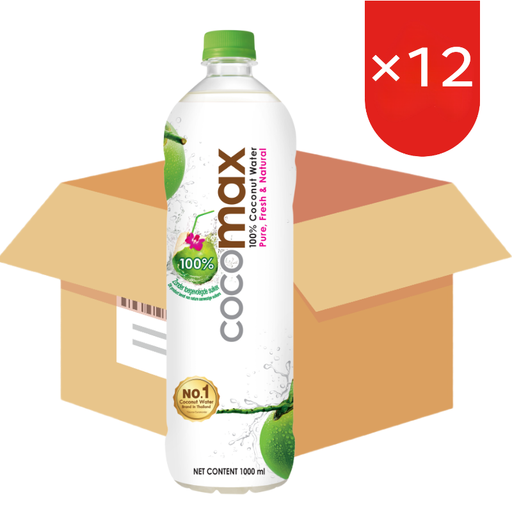
Why it suits this profile: This is a large-format choice for anyone looking exclusively for coconut water and wanting to keep several 1-litre cartons for everyday use, smoothies or guests.
The product description states that it contains 100% coconut water and no added sugar. At the same time, the nutritional information shows that the product contains naturally occurring sugars.
12 x 1 litre, 100% coconut water, 21 kcal and 4.5 grams of sugars per 100 ml according to the nutritional information provided.
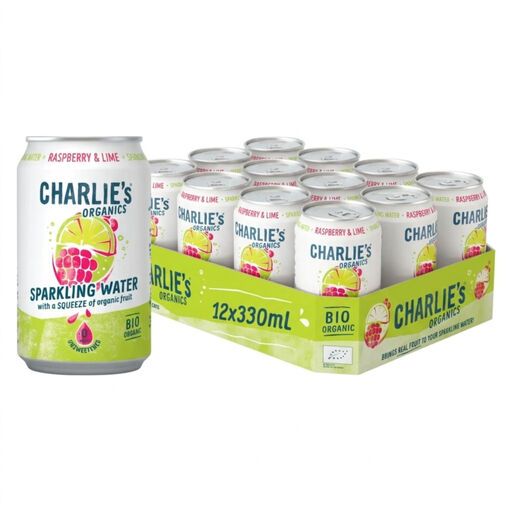
Why it suits this profile: The small cans are convenient for drinking on the go, meetings and parties. According to the product description, the drink can also be used as a base for cocktails.
It is not a disguised fruit drink: the composition lists 94% carbonated water, 4.5% raspberry purée and 1.5% lime juice.
12 x 330 ml, organic raspberry and lime according to the product information, 2 kcal and 0 grams of sugar per 100 ml.
Fans of Asian drinks can choose from several flavour profiles. Iam Superjuice offers mangosteen, passion fruit, lychee and pink guava in 330 ml cans. If you are looking for an aloe vera drink, check the proportion of aloe vera juice and gel, the sweetener used and the nutritional information. For example, OKF Aloe Vera Drink Sugar-Free lists 21% aloe vera juice and 9% aloe vera gel in its ingredients.
If you are mainly looking for a lighter option, consider fruit-flavoured sparkling water. If you want a larger family-size format, compare the price per litre of 1-litre cartons with the price per can. This helps you avoid mistaking a small multipack for better value because of its lower upfront price, when its price per litre is actually higher.
We have put together a complete, up-to-date list of products that fully meet these strict selection criteria and the applicable European safety regulations.
A 100% coconut water product contains coconut water as its ingredient. A coconut drink may also contain water, sugar, cane sugar or other additions. Always check the ingredients list and the sugar content per 100 ml.
Follow the instructions on the packaging. Many 1-litre cartons must be refrigerated after opening and consumed within two to seven days. Seal the carton securely and check before buying that you have enough space in your fridge.
That depends on the price per litre, the total volume and any delivery costs. Divide the price by the number of litres before buying a drinks multipack. Also consider waste: a large pack is only good value if you use it within the stated storage period.
