
当日/次日达

品质保障

开启新人专享福利: 全场免邮 | 低至 2 折 | 免费试用 30 天 JoyPlus 会员
下载 Joybuy
Ordering a tropical fruit drink, coconut water or exotic fruit drink may seem straightforward. Yet products vary considerably in fruit content, sugar, serving size and packaging. An eye-catching label featuring mango, guava or passion fruit does not automatically tell you how much fruit the drink actually contains.
The following three pitfalls are common:
For a mango drink or guava drink, the fruit percentage is usually listed in the ingredients. According to the product information, Maaza Guava Fruit Drink contains 16% guava purée from concentrate. Iam Superjuice Passionfruit Drink lists 30% passion fruit juice, while Iam Superjuice Pink Guava contains 30% pink guava juice.
A higher fruit percentage can provide a more pronounced fruit flavour, but it does not tell you everything about your personal preference. Also check whether sugar, sweeteners, flavourings or dairy ingredients have been added. For example, g’woon Zappie Tropical contains, among other ingredients, milk components and fruit concentrate. This makes it less suitable for people who avoid milk.
Always use the nutritional information table rather than relying only on the front of the packaging. A sugar-free fruit drink may contain sweeteners, while a fruit drink with no added sugar may still provide naturally occurring sugars from fruit.
Some examples from the product information:
“Sugar-free” and “no added sugar” are therefore not interchangeable terms. If in doubt, read the label and check the current packaging.
A 330 ml fruit drink is suitable as an individual serving at work, with a meal or while travelling. A multipack of 6 or 12 is useful if you want to stock up or try several flavours.
For home use and events, 1-litre cartons are often more practical. Vietcoco Coconut Water is available as 12 x 1 litre, giving you 12 litres in total. Grace 100% Coconut Water is available as 6 x 1 litre. With packs of this size, consider storage space, shelf life and the instructions after opening. According to the product information, coconut water should be stored in the refrigerator after opening.
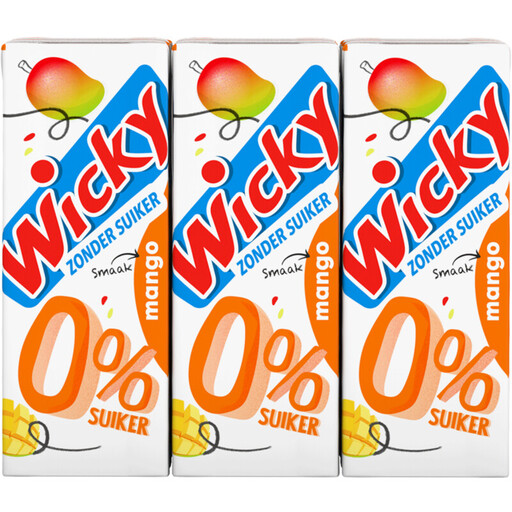
Why it suits this profile: The small packs are easy to take to school, work or on a day out. According to the product information, this variety contains no sugar and just 1 kcal per 100 ml.
The nutritional values make it immediately clear that the drink is sweetened with sweeteners and contains just 0.2% mango juice. This helps prevent the fruit flavour from being mistaken for a high fruit content.
6 x 200 ml, less than 0.1 grams of sugar per 100 ml and added vitamin C according to the product label.
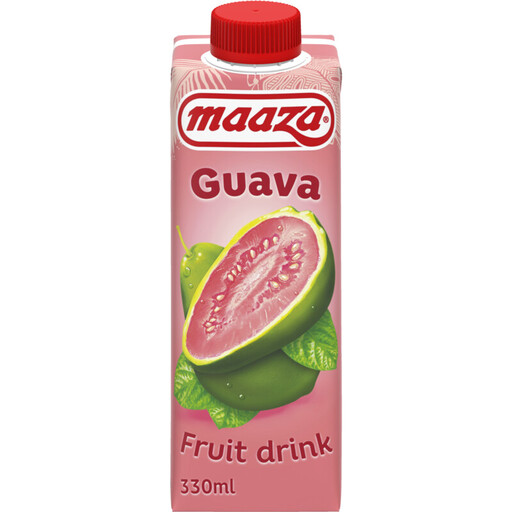
Why it suits this profile: This individual exotic fruit drink has a distinctive guava flavour and a clearly stated fruit percentage. That makes it a good choice for shoppers who focus primarily on flavour and ingredients.
The product information states 16% guava juice from concentrate and 6.9 grams of sugar per 100 ml. This allows you to weigh up flavour, fruit content and sugar levels consciously.
330 ml per bottle, 29 kcal per 100 ml and none of the 14 main EU allergens listed in the product information.
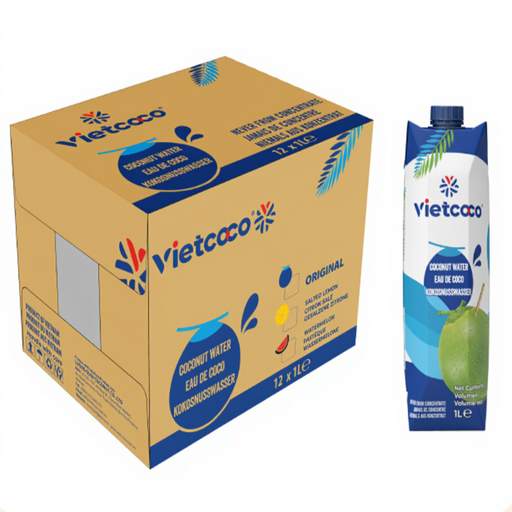
Why it suits this profile: The larger pack is practical for families, offices, hospitality and catering. The drink can be served chilled or used in smoothies and other recipes.
The contents are clearly stated: 12 1-litre cartons. The ingredients list states 99% coconut water, less than 1% fructose and vitamin C; check the current label before buying.
22 kcal and 5 grams of sugar per 100 ml, plus a total 12-litre supply for sharing.
We have put together a complete, up-to-date list of products that fully meet these strict selection criteria and the applicable European safety regulations.
If you enjoy discovering different textures, you could try a nata de coco drink such as Mogu Mogu. According to the product description, the Pineapple variety contains pieces of coconut and provides 37 kcal and 7.5 grams of sugar per 100 ml. The Melon variety contains 15% nata de coco and 49 kcal per 100 ml. Mogu Mogu Lychee is also available in a pack of 6 x 320 ml.
For a sugar-free fruit drink, the Iam Superjuice varieties are worth comparing. Mango, Passionfruit and Pink Guava are available in trays of 12 x 330 ml. According to the brand’s own product information, these drinks contain no added sugar. Check the nutritional values and sweeteners on the packaging.
Would you prefer a larger pack? According to the product information, Grace 100% Coconut Water contains only coconut water and 22 kcal per 100 ml. Dimes Mango Drink is a 1-litre pack containing a blend of fruit juices. For drinks containing milk, such as Taksi Tropical Fruit Juice, check the stated milk allergens.
Coconut water comes from coconuts and generally has a milder, more natural flavour. Tropical soft drinks or fruit drinks may contain water, fruit juice, sugar, sweeteners, flavourings and sometimes carbonation. Check the ingredients list to understand the difference.
Not always. Fruit naturally contains sugar. “No added sugar” means that, according to the product information, no extra sugar has been added; the product may still contain naturally occurring fruit sugars. A drink labelled “zero sugar” or “sugar-free” may also contain sweeteners.
Always follow the label. The product information for many of the drinks mentioned states that an opened pack should be stored in the refrigerator and consumed within the stated period. Seal the packaging securely and check the use-by information before drinking.
