
Vandaag of morgen in huis

Kwaliteit gegarandeerd

Welkomstaanbiedingen ontgrendelen: GRATIS bezorging | Tot 80% korting | Gratis 30 dagen JoyPlus-proefperiode
Download de app
A mango drink to go with a meal, a tropical fizzy drink for a party or a sugar-free drink for on the go: the range of tropical drinks is vast. The packaging often looks appealing, but the real differences lie in the ingredients, nutritional values, volume and when you plan to drink them.
If you only look at an exotic name or a colourful label, you could end up buying a drink that’s too sweet, contains little fruit or doesn’t suit the quantity you need. With these practical checks, you can compare tropical fruit drinks, fizzy drinks and fruit juices much more easily.
Words like mango, passion fruit or guava often refer to the flavour, not the percentage of fruit. A drink may contain only a small amount of fruit juice and still taste distinctly of mango thanks to flavourings or other ingredients.
So always check the ingredients list and look for terms like fruit juice from concentrate, fruit purée or a specific percentage. For example, Iam Superjuice Mango states 30% mango juice. According to the product information, Maaza Mango contains 17% mango purée and 1% lemon juice from concentrate.
A drink with no added sugar can still contain naturally occurring sugars from fruit. A sugar-free drink often uses sweeteners instead. So don’t just look at the front of the pack – compare the nutritional values per 100 ml.
Wicky Mango Fruit Drink states less than 0.1 grams of sugar and 1 kcal per 100 ml. Iam Superjuice Mango states no added sugar and 17 kcal per 100 ml. These are different product claims and nutritional profiles. According to the product information, these drinks use sweeteners among other ingredients; always check the label before you buy.
A fizzy drink multipack is handy for a family, the store cupboard or a party, but a large pack does need to be used up in good time. A tray of 24 cans also takes up more space than a 1-litre bottle.
Keep an eye on:
That way, you can avoid an attractive unit price turning out to be less practical in the end.
Not every tropical fruit drink is the same. A fruit drink can contain juice, purée, water, sugar, sweeteners or dairy ingredients. Taksi Tropical Fruit, for example, is based on fruit concentrate and dairy, and contains milk. According to the product information, G’woon Zappie Tropical contains a dairy ingredient and fruit juice from concentrate.
If you’re looking for a clear fizzy drink, it’s better to look at carbonated options such as Jarritos Mango or Fernandes Green Punch. If you’re after a thicker, fruitier drink, consider a product with purée or a higher fruit percentage.
Compare the nutritional values per 100 ml, not just per can or bottle. A 330 ml can contains over three times the amount shown in the table.
Some examples from the available product information:
Sugar-free varieties may contain sweeteners such as sucralose, acesulfame-K or steviol glycosides. This affects the taste and is important if you want to avoid certain ingredients.
Small packs of 200 or 330 ml are practical for on the go, lunchboxes or a party. A 1 or 1.5 litre bottle is better suited to a meal at home. Nata de coco drinks contain pieces of coconut jelly. This adds extra texture, but makes them less suitable if you’re looking for a smooth drink.
Also check for allergens. Taksi and some G’woon varieties contain milk ingredients. If in doubt, always check the current ingredients list on the label, because recipes and packaging can change.
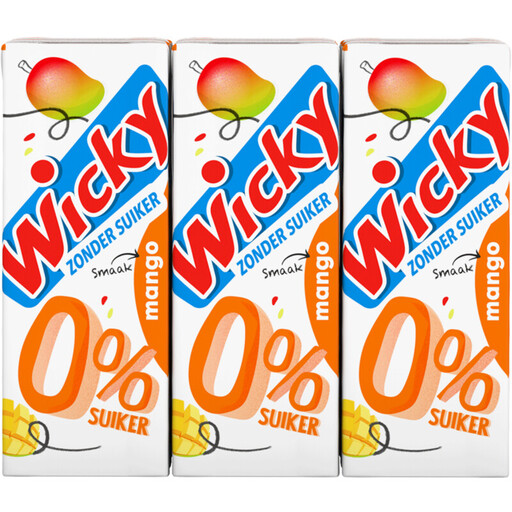
Why this fits the profile: The small packs are handy for school, on the go or a portion with lunch. According to the product information, this variety contains less than 0.1 grams of sugar and 1 kcal per 100 ml.
The nutritional values and ingredients are clearly stated. This makes it clear that the mango flavour doesn’t mean a high mango percentage.
6 × 200 ml, less than 0.1 g sugar per 100 ml and added vitamin C according to the product information.
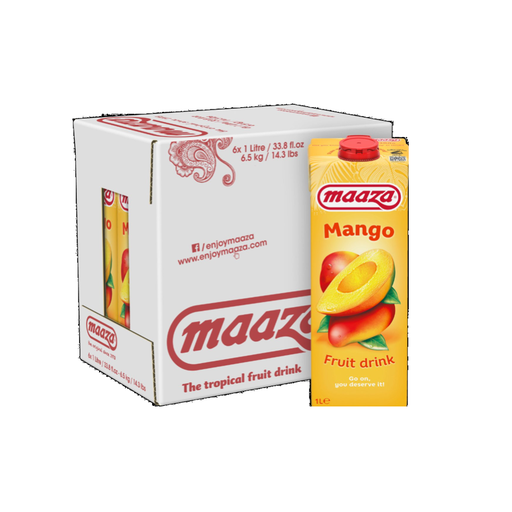
Why this fits the profile: The 1-litre bottles are designed for sharing and using at breakfast, lunch or a family meal. The product information lists mango purée and a clear nutritional table.
The label distinguishes between purée, sugar and other ingredients. This helps you weigh up the rich fruit flavour against the sugar content.
6 × 1 litre, 17% mango purée according to the product information and suitable for serving chilled.
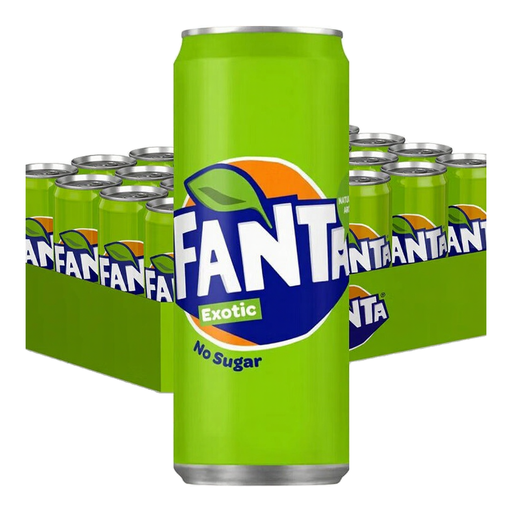
Why this fits the profile: A tray of 24 cans is practical for parties, clubs, the office or a household that regularly has guests. This variety is designed as a sugar-free tropical fizzy drink.
The packaging makes the total quantity immediately clear: 24 cans of 330 ml. Do check the current nutritional values and sweeteners on the can before you buy.
24 × 330 ml, handy can packaging and an exotic flavour without sugar according to the product name.
We’ve put together a full, up-to-date list of products that fully meet these strict selection criteria and comply with current European safety regulations.
This varies by product. Wicky Mango states less than 0.1 grams of sugar per 100 ml. Sugar-free fizzy drinks can also contain sweeteners. So always compare the nutritional table and ingredients list rather than just the front of the pack.
Store unopened drinks according to the instructions on the pack, usually in a cool, dry place away from direct sunlight. Once opened, many fruit drinks need to be kept in the fridge and consumed within the stated period. For nata de coco drinks, also check the instructions about chilling and drinking straight after opening.
A multipack can be practical if you use drinks regularly or are serving several people. A single bottle is more convenient if you want to try a flavour first or have limited storage space. Calculate the price per litre and look at the total volume to compare options fairly.
