
Vandaag of morgen in huis

Kwaliteit gegarandeerd

Welkomstaanbiedingen ontgrendelen: GRATIS bezorging | Tot 80% korting | Gratis 30 dagen JoyPlus-proefperiode
Download de app
Tropical drinks are popular with meals, at parties, on the go and as supplies for offices or catering businesses. The range includes everything from coconut water and fruit juice to mango drinks, lychee drinks and soft drinks from Asia. However, eye-catching packaging does not always tell you enough about what you are buying.
Pay particular attention to these three common pitfalls:
Ingredients are listed in descending order by quantity. If water comes first and fruit appears further down the list, you are probably buying a fruit drink rather than fruit juice with a high fruit content. Iam Superjuice Passionfruit Drink, for example, lists 30% passion fruit juice. According to the product description, the drink contains no added sugar and has 17 kcal per 100 ml.
For a product such as Maaza Mango Drink, 17% mango purée is listed. This suits a milder mango drink for everyday use, but it is different from pure mango juice. If you are looking for a pronounced fruit flavour, use the fruit percentage as your first point of comparison.
Check the table per 100 ml. This prevents a small pack from seeming less sweet than it really is. According to the product information provided, Mogu Mogu Lychee Flavoured Drink contains approximately 11 to 13 grams of sugar per 100 ml. A 320 ml bottle could therefore contain around 36 to 42 grams of sugar.
If you are looking for less sugar, consider a sugar-free fruit drink or a product labelled “no added sugar”. Wicky Mango Fruit Drink lists less than 0.1 grams of sugar and 1 kcal per 100 ml. Its sweetness comes partly from sucralose and acesulfame-K. This creates a different flavour profile from a traditional sugary tropical fruit drink.
For individual use, 330 ml cans or 200 ml cartons are practical. Multipacks are suitable for families, meetings and catering, but they do require enough storage space. For intensive use, boxes of 12 × 330 ml or 12 × 1 litre are a logical choice.
Also check the allergen information. For many products in this selection, none of the 14 main EU allergens are listed. This is not a general guarantee for every variant, so always check the current packaging, particularly for coconut products. Mogu Mogu Coconut Flavoured Drink, for example, lists coconut as an allergen.
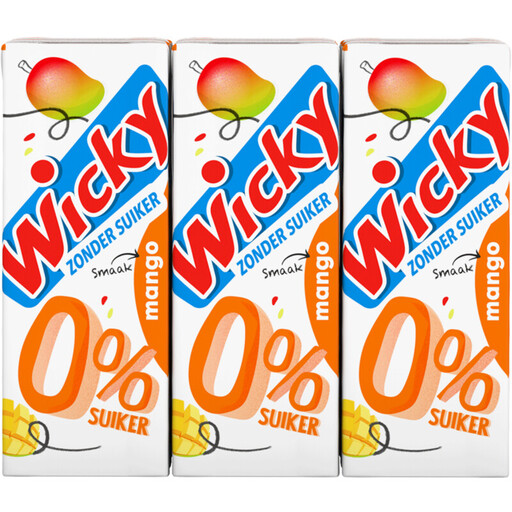
Why it suits this profile: The small cartons are easy to take to school, work or on a day out. According to the product information, this variant contains less than 0.1 grams of sugar and 1 kcal per 100 ml.
The nutritional values make the sugar and calorie content easy to compare. However, pay attention to the sweeteners used and the low stated mango content of 0.2%.
6 × 200 ml, less than 0.1 grams of sugar per 100 ml and added vitamin C according to the product description.
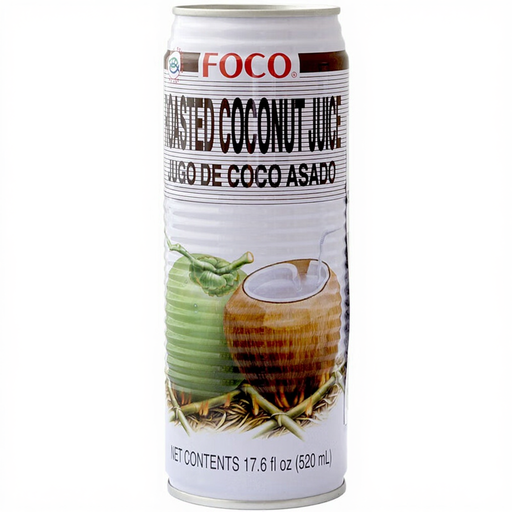
Why it suits this profile: This coconut drink is intended for those looking for a distinctive flavour and coconut flesh. The product description states that it contains 80% roasted coconut juice and coconut flesh.
The fruit content is clearly stated. However, the drink does contain sugar, so compare the 7.7 grams of sugar per 100 ml with your preferences.
520 ml pack, 80% roasted coconut juice and coconut flesh; according to the product information, none of the 14 main EU allergens are listed.
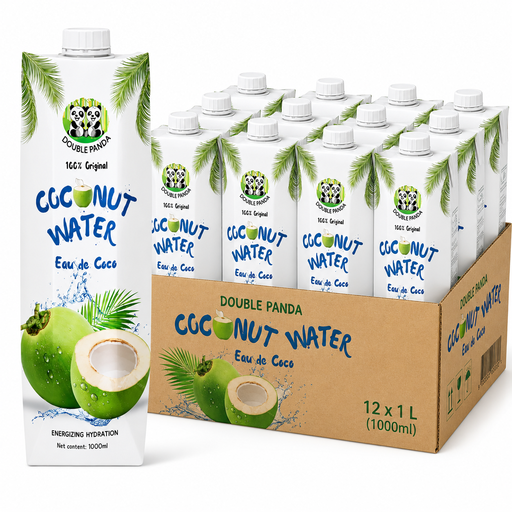
Why it suits this profile: The box of 12 one-litre cartons is practical for families, offices, restaurants and catering. The drink can also be used in smoothies, cocktails and recipes.
The format is clear: 12 × 1 litre. However, check that the addition of cane sugar suits your preferences, as the product is not sugar-free.
12 litres in total, 23 kcal per 100 ml according to the product information, and suitable for drinking or mixing.
We have compiled a complete, up-to-date list of products that fully meet these strict selection criteria and the applicable European safety regulations.
This varies by product. Wicky Mango Fruit Drink lists less than 0.1 grams of sugar per 100 ml. Iam Superjuice Mango, Lychee, Pink Guava and Passionfruit are described as drinks with no added sugar. However, always check the current nutrition table and ingredients on the packaging.
No. Coconut water consists mainly of the liquid from the coconut. Coconut drinks may also contain coconut flesh, sugar, flavourings or other ingredients. Foco Roasted Coconut Juice, for example, lists roasted coconut juice, water, coconut flesh and sugar. So check the ingredients list before making your choice.
Always follow the storage advice on the packaging. Many products need to be refrigerated after opening and used within a few days. Unopened cartons and cans should generally be stored in a cool, dry place away from direct sunlight. Also check the best-before date before buying, particularly for multipacks and larger packs.
