
Vandaag of morgen in huis

Kwaliteit gegarandeerd

Welkomstaanbiedingen ontgrendelen: GRATIS bezorging | Tot 80% korting | Gratis 30 dagen JoyPlus-proefperiode
Download de app
Anyone looking to buy tropical drinks online will soon come across dozens of options: from tropical fruit drinks and coconut water to an Asian drink with nata de coco. The packaging may look appealing, but it does not always tell you enough about the sugar content, fruit content or the amount you will actually receive.
With this practical buying guide, you can compare exotic fruit drinks using verifiable information. That helps you avoid a disappointing purchase for your home, a party or a multipack of fruit drinks for everyday use.
A mango, guava or passion fruit drink may be partly made from fruit juice concentrate. So check the ingredients list and the stated juice percentage. According to the product information, for example, MAAZA Guava Drink contains 17% guava juice from concentrate. The remainder includes water, sugar, pectin, acidity regulator and flavouring.
A product with a pronounced fruity taste is therefore not automatically a drink with a high fruit percentage.
When choosing a sugar-free fruit drink or no added sugar drink, it is important to check the nutritional information table. Naturally occurring sugars from fruit may still be present. For example, Iam Superjuice lists “no added sugar” on several variants, along with a low calorie count per 100 ml. That is not the same as containing zero sugar in every case.
Also look out for sweeteners. According to the product description, Capri-Sun Monster Alarm Zero Sugar contains sweeteners, including sucralose. So if you are mainly looking for a less sweet taste or a short ingredients list, you need to look beyond the front of the packaging.
A 330 ml can of tropical drink is convenient as an individual serving, but a tray of twelve cans takes up more space than a 1-litre bottle. So calculate the total volume:
Also check the best-before date and storage instructions. Many fruit drinks need to be refrigerated after opening and consumed within the stated period.
Start by looking at the first three ingredients. Water is often listed first, followed by fruit juice, sugar or sweeteners. According to the product description, Iam Superjuice Mango contains 30% mango juice. The mango variant contains no added sugar and, according to the same description, is sweetened with steviol glycosides.
For a more pronounced flavour, you can also choose lychee, guava, passion fruit, mangosteen or soursop. Flavour intensity is a personal preference, but a higher fruit percentage is a measurable point of comparison.
Always compare the values per 100 ml, rather than looking only at the figures for an individual can or bottle. A 330 ml drink contains more than three times the amount listed in the table per 100 ml.
Examples from the product information:
“No added sugar” is a product claim made by the brand or supplier. Always check the current label when buying, as product information and recipes may change.
Many exotic fruit drinks do not list any of the fourteen mandatory EU allergens. According to the supplied product information, this applies to several Iam Superjuice and Mogu Mogu variants, for example. However, this does not automatically mean that every product is suitable for every dietary requirement.
According to the label, Taksi Tropical Fruit Juice contains milk and is therefore not suitable for anyone avoiding milk. Iam Superjuice Coconut Water is described in the product information as vegan and gluten-free. If you have allergies or follow a strict diet, always check the packaging rather than relying solely on the online product page.
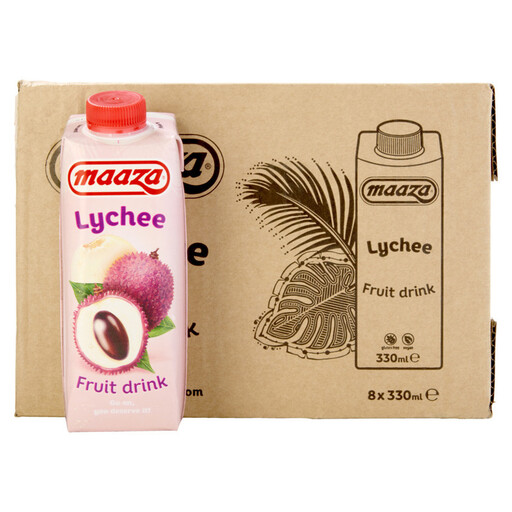
Why it suits this profile: A multipack containing eight 330 ml cans provides individual servings and a familiar lychee flavour for home, visitors or mealtimes.
The number of cans and volume per can are clearly stated, making it easy to estimate the total supply in advance.
8 x 330 ml, no shared bottle required and, according to the product information, no declared allergens.

Why it suits this profile: This option is ideal for anyone who pays attention to the ingredients and is looking for a coconut drink with no added sugar.
The product description states 100% coconut water, 2% coconut pieces and no added sugar; check the label when it arrives to confirm this.
12 cans of 330 ml, vegan according to the product information and ready to drink chilled.

Why it suits this profile: A tray of twelve servings is practical for families, workplaces, mealtimes or keeping a supply at home.
The pack contains 12 x 330 ml and the product states 30% mango juice, making the serving size clear in advance.
According to the product description, 17 kcal per 100 ml, no added sugar and a total volume of 3.96 litres.
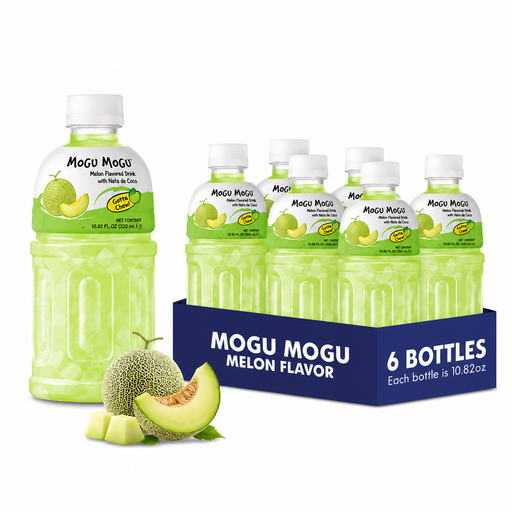
Why it suits this profile: The combination of melon flavour and nata de coco makes this drink ideal for parties, tastings and anyone looking for something different from standard fruit-flavoured soft drinks.
The texture is not a hidden feature: the product information mentions nata de coco pieces and 320 ml per bottle.
6 bottles of 320 ml, melon flavour and, according to the product information, 49 kcal and 11 grams of sugar per 100 ml.
We have put together a complete, up-to-date list of products that fully meet these strict selection criteria and the applicable European safety regulations.
That depends on the flavour of the dish. Lychee and mango drinks often go well with spicy meals, while coconut water or a passion fruit drink can be a fresher choice. If you choose a milk-containing drink such as Taksi Tropical Fruit Juice, always check the allergen information.
Follow the instructions on the label. Many fruit drinks need to be refrigerated after opening and consumed within a few days. Unopened cans and bottles should generally be stored in a cool, dry place away from direct sunlight. The packaging provides the definitive storage period.
No. “No added sugar” means that, according to the product claim, no sugar has been added to the recipe. Fruit may naturally contain sugar, and some drinks contain sweeteners. So check both the ingredients and the nutritional values per 100 ml before ordering.
