
Vandaag of morgen in huis

Kwaliteit gegarandeerd

Welkomstaanbiedingen ontgrendelen: GRATIS bezorging | Tot 80% korting | Gratis 30 dagen JoyPlus-proefperiode
Download de app
A quality trekking backpack is the foundation of any successful multi-day journey. However, the market is saturated with models making lofty promises. Many hikers only realise they've made the wrong purchase after a few painful miles. As a Joybuy Product Recommendation Officer, I'm here to help you see through the marketing jargon and choose a model that truly fits your needs. Let's look at the three most common pitfalls.
Many budget-friendly backpacks are marketed as a universal size. This almost always leads to problems. A pack that isn't tailored to your torso length and build will distribute weight incorrectly. The result: sore shoulders and a painful lower back, turning your trek into an ordeal.
A large hiking backpack might seem like a safe bet, but bigger isn't always better. A pack that's too large for a weekend trip will tempt you to bring unnecessary items, which means extra weight. Conversely, a backpack that's too small for a week of camping forces you to leave essential gear behind or awkwardly strap items to the outside.
The term "waterproof" is often used too loosely. Many backpacks are made from water-resistant material, meaning they can handle a light shower. However, during sustained rain, water will eventually seep through. A truly waterproof outdoor backpack has sealed seams or comes with a separate rain cover. Without this feature, your sleeping bag or electronics could get soaked.
To avoid the mistakes above, focus on the specifications that truly count. These are the three non-negotiable factors for a quality backpack for multi-day treks.
A backpack's volume is measured in litres. This is a good indicator, but the load capacity (the recommended maximum weight) is just as important.
50-litre trekking backpack is often ideal for trips of 3 to 5 days, where you're carrying a tent, sleeping bag, and cooking equipment.Carrying comfort determines whether you enjoy your trek. A backpack with an internal frame is essential. This frame, often made of aluminium, transfers the majority of the weight from your shoulders to your hips. Your hips can carry far more weight than your shoulders.
Look for the following adjustable components:
A lightweight backpack is nice, but it shouldn't come at the expense of durability. Look for materials like ripstop nylon or high-density polyester. These fabrics are abrasion-resistant and have decent water resistance. Check the zippers and buckles; they should feel robust. An integrated rain cover is a major plus.
Not everyone needs the same backpack. Below are some recommendations, tailored to specific user types.
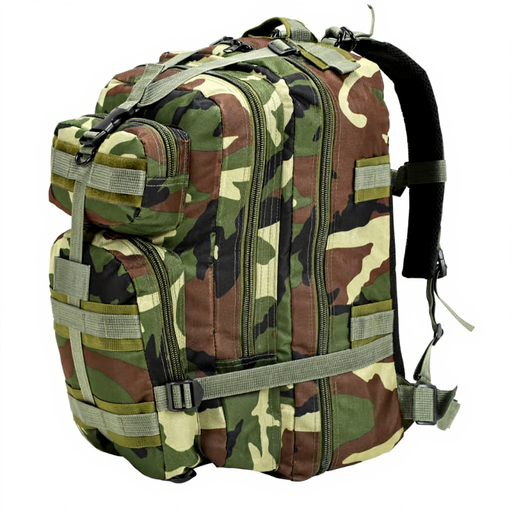
Why This Fits Their Persona: Ideal for those starting with multi-day treks who need a spacious, functional backpack without breaking the bank. The 50-litre capacity is versatile for weekend trips and longer adventures.
With 50 litres, you avoid the pitfall of a pack that's too small. The adjustable shoulder, sternum, and hip belts help bypass the "one-size-fits-all" myth by allowing for a basic customisation to your body.
Large capacity for an accessible price. Multiple compartments for organised packing.
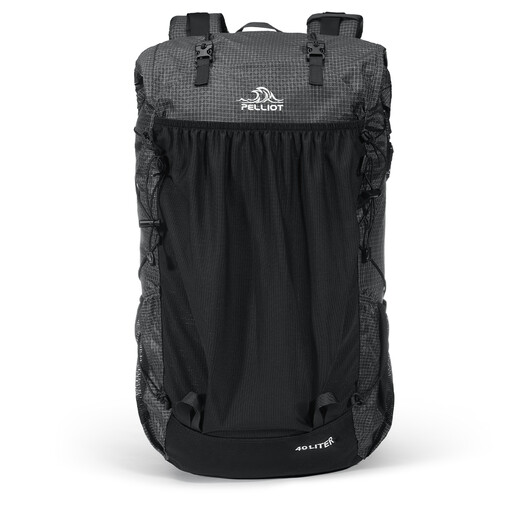
Why This Fits Their Persona: Perfect for the hiker who goes on 2- to 3-day trips and values comfort and smart organisation, without the weight of an unnecessarily large pack.
This model tackles the comfort pitfall. According to the manufacturer, the alloy internal frame and 'Dynamic Walking Harness' technology ensure better weight distribution to the hips, which reduces back and shoulder pain.
Focus on ergonomics with a breathable back system. Smart compartment layout, including hip belt pockets.
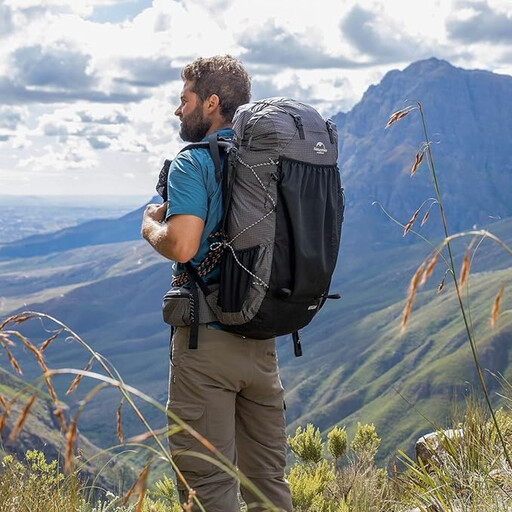
Why This Fits Their Persona: For the hiker who undertakes long, self-sufficient treks and needs a reliable `hiking backpack` with maximum capacity for a tent, sleeping pad, cooking gear, and clothing for a week or more.
The 60+5 litre capacity avoids the "bought too small" pitfall for long journeys. Its robust internal frame is specifically designed for heavy loads, which is essential for staying comfortable while carrying a lot of weight.
Very large, expandable capacity. Sturdy carry system for heavy loads and a ventilated back panel.
A good trekking backpack is a personal choice. Browse our full range to find the model that perfectly matches your plans and your body.
Start by loosening all the straps. Put the backpack on and position the hip belt on your hip bones. Tighten it securely. Next, pull the shoulder straps until they rest comfortably on your shoulders. Finally, fasten the sternum strap at chest height and tighten it slightly. The majority of the weight (about 80%) should rest on your hips.
Women's models often have a shorter back panel, shoulder straps that are curved more inwardly to fit around the chest, and a hip belt shaped for wider hips. Although many models are unisex, a gender-specific model can offer significantly more comfort for some people.
Place the heaviest items (like a tent or cooking gear) close to your back, roughly between your shoulder blades. Put lighter, bulky items like your sleeping bag at the bottom. Items you need quick access to (rain jacket, snacks, map) should be stored in the top pockets, side pockets, or hip belt pockets. This ensures stable weight distribution and ease of use.
