
Vandaag of morgen in huis

Kwaliteit gegarandeerd

Welkomstaanbiedingen ontgrendelen: GRATIS bezorging | Tot 80% korting | Gratis 30 dagen JoyPlus-proefperiode
Download de app
A great expedition starts with the right gear. A trekking backpack that fits poorly, is too heavy, or is awkwardly organised can seriously ruin an adventure. The options are vast and the specifications often confusing. That's why we at Joybuy have created an overview with practical tips and a selection of popular models. We'll help you find a backpack that matches your plans, without the marketing jargon.
Before you make a choice, it's wise to consider a few key features. These will determine how functional and comfortable your backpack will be on your treks.
A backpack's volume, expressed in litres, indicates how much gear you can carry. The choice depends directly on the duration of your activity.
A heavy backpack doesn't have to be uncomfortable. It's all about weight distribution. A pack with a frame, usually an internal one made of lightweight metal, transfers the majority of the weight from your shoulders to your hips. This makes a world of difference on long distances. Pay attention to the following points:
An outdoor backpack endures a lot of wear and tear, so durability is crucial. Materials like abrasion-resistant polyester or nylon are a solid choice. Also, consider the features. Is the backpack itself waterproof, or does it come with a separate rain cover? A waterproof backpack is convenient, but a cover often works just as well. Handy pockets for a water bottle, a separate bottom compartment for your sleeping bag, and attachment points for trekking poles enhance usability.
Based on the criteria above, we've highlighted a few interesting models for you.
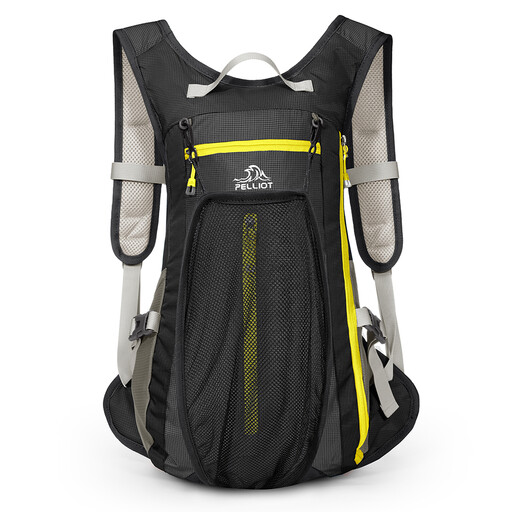
Why It Stands Out This lightweight backpack is designed for speed and movement. According to the manufacturer, PELLIOT, its S.L.F Triple Design (Stable, Lightweight, Fast Access) was specifically developed for dynamic activities like trail running and cycling. The ergonomic harness is engineered to distribute weight evenly and reduce shoulder strain.
Advantages
Who It's For Ideal for trail runners, day hikers, and mountain bikers looking for a compact, stable, and light hiking backpack for short, intense adventures.
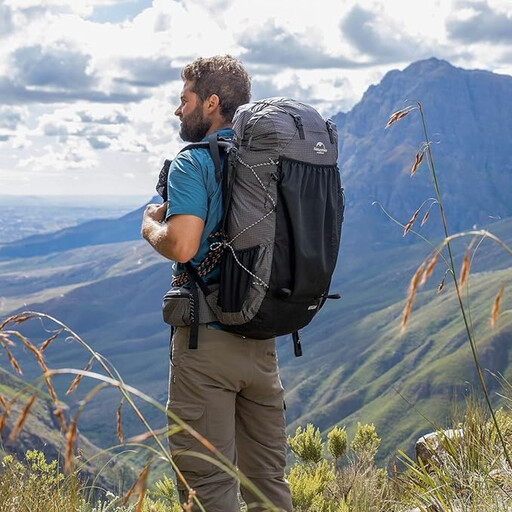
Why It Stands Out This model from NatureHike is built for serious, multi-day expeditions. The combination of a large 60-litre volume, expandable by 5 litres, and a robust internal frame makes it suitable for carrying heavy loads over rugged terrain.
Advantages
Who It's For For the serious backpacker and hiker who needs a reliable multi-day pack. Perfect for treks where you need to be completely self-sufficient.
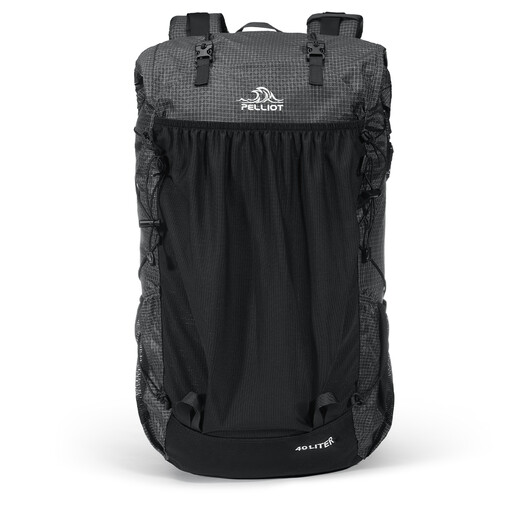
Why It Stands Out This 40-litre trekking backpack from PELLIOT combines a manageable size with advanced carrying technology. The manufacturer highlights the built-in lightweight alloy frame and the 'Dynamic Walking Harness Technology', where the shoulder straps adapt to your walking motion. The '3D Breathable Cushioning System' is designed for maximum ventilation.
Advantages
Who It's For For hikers who take weekend trips or short hut-to-hut tours and value a well-engineered and comfortable carry system.
Our selection extends beyond these recommendations. Are you looking for a backpack for a specific purpose, such as carrying tools or other technical equipment? Then take a look at our Technology Tool Backpack category for more options.
This depends entirely on your plans. A good rule of thumb is:
A hiking daypack (or simply daypack) is smaller, lighter, and usually lacks an internal frame. It's intended for light loads and short distances. A trekking backpack is larger, features an internal frame for weight distribution, has a robust hip belt, and is designed to comfortably carry heavy loads over longer distances.
Proper adjustment is crucial. Start by positioning the hip belt: it should rest on top of your hip bones. Tighten it securely. Next, pull the shoulder straps so the pack sits close to your back, but without putting too much pressure on your shoulders. Finally, fasten the sternum strap to keep the shoulder straps in place. The majority of the weight (about 80%) should rest on your hips.
