
Vandaag of morgen in huis

Kwaliteit gegarandeerd

Welkomstaanbiedingen ontgrendelen: GRATIS bezorging | Tot 80% korting | Gratis 30 dagen JoyPlus-proefperiode
Download de app
A great trek starts with the right gear. An uncomfortable, chafing, or poorly organised backpack can quickly turn a promising hike into a disappointment. Whether you're planning a multi-day trek or a strenuous day hike, your choice of backpack is crucial. This article is designed to help you make an informed decision, cutting through the marketing jargon. We'll look at the specifications that truly matter, so you can find the trekking backpack that fits your adventure.
Before we dive into specific models, it's helpful to know which features are important. Here are three key points to help you filter through the options.
A backpack's capacity, measured in litres, determines how much you can carry. For a day trip, 15-30 litres is often sufficient. Are you planning a 2 to 3-day trip, including an overnight stay? In that case, a 40L hiking backpack is a common and practical size. This provides enough space for a sleeping bag, extra clothing, food, and other essentials without being unnecessarily large. A bigger pack might be tempting, but remember that you'll tend to fill any extra space, leading to unnecessary weight.
One of the most important aspects of an outdoor backpack is its comfort. Pay attention to the following ergonomic features:
The weather can be unpredictable. A waterproof backpack is therefore not an unnecessary luxury. Many backpacks are made from water-repellent material, such as coated polyester or nylon, which can withstand a light shower. For serious rain, an integrated or separate rain cover is often the solution. Also, pay attention to the durability of the material. Fabrics with a high denier (D), such as 1680D ballistic polyester, are highly abrasion-resistant and last longer.
Based on functionality and specifications, we have compiled a list of interesting options for you.
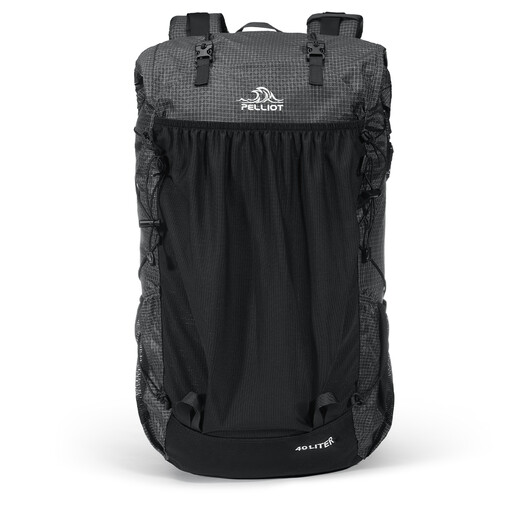
Why It Stands Out This backpack from PELLIOT is designed with a focus on weight distribution and dynamic comfort. The built-in lightweight alloy frame is engineered to transfer weight to the hips, reducing the load on the shoulders and back. According to the manufacturer, the "Dynamic Walking Harness Technology" automatically adjusts the angle of the shoulder straps while walking, which should provide a more natural movement.
Pros
Who Is It For? For the serious hiker looking for a backpack for camping and multi-day treks. The focus on an advanced carrying system makes it interesting for those planning to carry a reasonable amount of weight (up to approx. 11 kg).
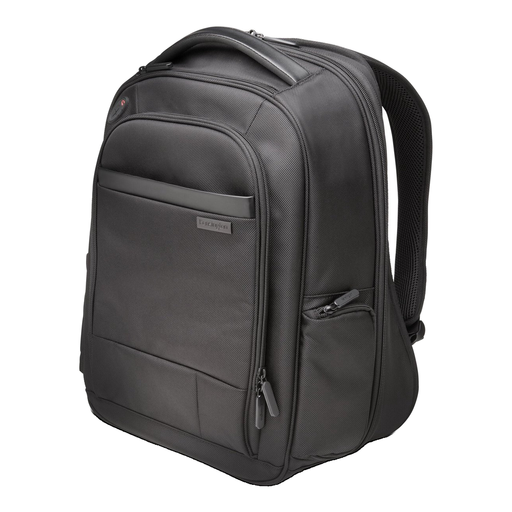
Why It Stands Out Although primarily designed as a laptop backpack, its ergonomic design and durable materials make the Kensington Contour 2.0 a versatile choice. The curved, heat-dissipating back panel is designed to conform to the body and keep the weight close to your centre of gravity.
Pros
Who Is It For? For the traveller who combines work and leisure. This backpack is ideal for those looking for a comfortable bag for daily use and light day hikes, with the assurance that electronics are well protected.

Why It Stands Out This NatureHike backpack is the definition of a lightweight trekking backpack. Made from 30D nylon, it is not only extremely light but also foldable into a small package that fits into its own pocket.
Pros
Who Is It For? For the hiker for whom every gram counts. Perfect for quick day trips, as a second backpack during a backpacking journey, or for anyone looking for a practical and ultralight bag for various outdoor activities.
The right backpack is a personal choice. Are you specifically looking for a model that is guaranteed to keep your gear dry during a downpour? Then check out more options in our waterproof backpack category.
For a 3-day trek (2 nights), a backpack with a capacity between 35 and 50 litres is generally a good choice. A 40L hiking backpack is often a practical middle ground, offering enough space for a compact sleeping bag, mat, cooking gear, food, and extra clothing.
The main difference is the capacity and the carrying system. Hiking backpacks (also called daypacks) are smaller (10-30 litres) and intended for day trips. A trekking backpack is larger (from 30 litres) and has a more advanced carrying system with a sturdy hip belt and an adjustable back panel, designed to carry heavier loads comfortably over longer distances.
A proper fit is essential for comfort. Follow these steps:
